What’s Causing That Bad Smell from Your Drain?
Walking into your kitchen or bathroom and being greeted by an unpleasant odor is one of the most frustrating experiences a homeowner can face. For residents in Broken Arrow, Oklahoma, these smells can range from a faint musty scent to a sharp, overwhelming aroma of rotten eggs or raw sewage. Because the plumbing system is largely hidden behind walls and under floors, it is easy to feel powerless when trying to identify the source of the problem. However, your drains are constantly communicating with you, and a bad smell is often the first signal that something within your plumbing network requires attention.
Understanding the root cause of these odors is essential for maintaining both the comfort and the safety of your home. While many people assume that a smelly drain just needs a quick rinse with a store-bought cleaner, the reality is that the scent is usually a byproduct of biological or mechanical issues that require a more thoughtful solution. These odors can originate from a variety of sources, including trapped organic matter, dry pipes, or even dangerous breaches in your sewer line. By taking a systematic approach to investigating your drains, you can determine whether you are dealing with a minor cleaning task or a significant plumbing emergency.
The unique environment in Oklahoma also plays a role in how these smells manifest and persist. Our local humidity levels, temperature fluctuations, and the specific mineral content of our water all influence the behavior of the bacteria and debris inside your pipes. Whether the smell is localized to a single sink or is wafting through the entire house, ignoring it only allows the underlying issue to worsen. A deep look into the common culprits behind drain odors provides the clarity needed to restore a fresh and clean environment to your residential space.
The Accumulation of Biofilm and Organic Debris
One of the most frequent causes of a foul-smelling drain is the buildup of a substance known as biofilm. Over time, every time you wash your hands, brush your teeth, or rinse dishes, a mixture of soap scum, skin cells, hair, and food particles travels down the drain. While much of this waste is flushed out to the sewer, a significant amount can cling to the interior walls of the pipes. This sticky sludge provides a perfect breeding ground for bacteria, which colonize the area and form a thick, slimy layer. As these bacteria consume the organic matter, they release gases that travel back up through the drain and into your living space.
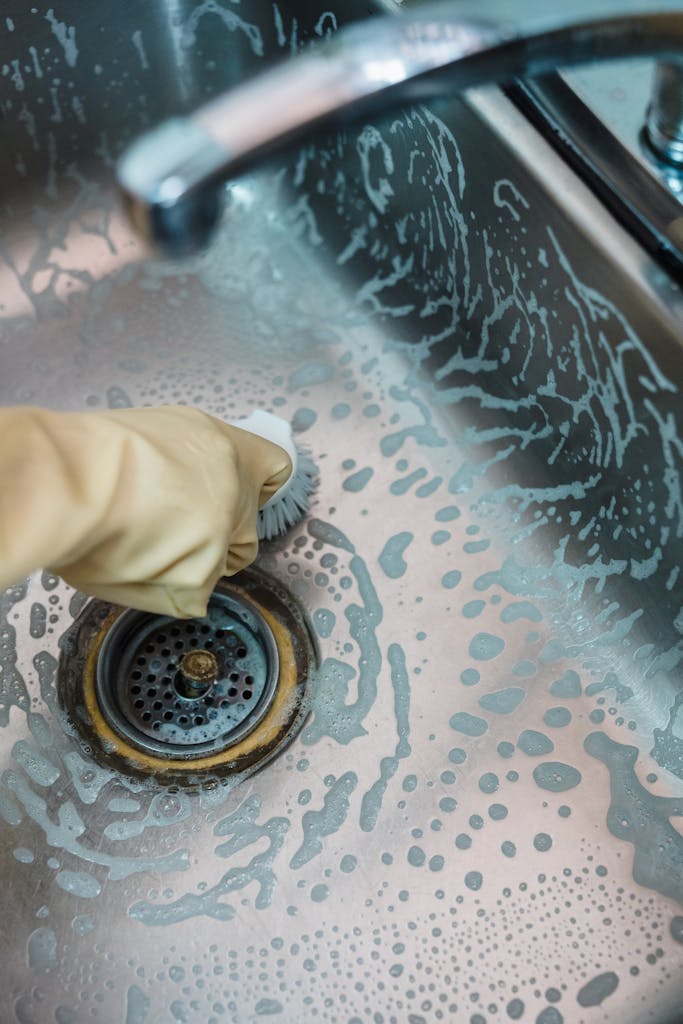
In the kitchen, this problem is often exacerbated by grease and oils. Even if you are careful not to pour liquid fat down the sink, small amounts of oily residue from plates and pans can solidify inside the pipes. This grease acts like a magnet for other food particles, creating a rotting mass that emits a strong, sour odor. Because the kitchen sink is often the most used fixture in the home, the movement of warm water can actually intensify the smell, pushing the foul air upward every time the faucet is turned on.
Cleaning biofilm requires more than just a surface rinse. Because the bacteria are protected by a slimy matrix, they can be resistant to simple water flow. Many homeowners attempt to use boiling water or vinegar and baking soda to break down the accumulation, which can be effective for minor cases. However, if the buildup has become dense, it may require a professional mechanical cleaning or hydro jetting to completely scour the interior of the pipe. Removing the food source and the bacterial colony is the only way to permanently eliminate the odor associated with organic decay.
Dry P-Traps and the Loss of the Water Barrier
If you notice a sewer-like smell in a guest bathroom, a basement utility sink, or a floor drain that is rarely used, the culprit is almost certainly a dry P-trap. The P-trap is the U-shaped pipe located directly beneath your sink or shower drain. Its primary function is to hold a small amount of standing water at all times. This water acts as a physical seal that prevents sewer gases from the main line from entering your home. When a fixture is not used for several weeks or months, the water in that trap can eventually evaporate, leaving the pipe wide open for gases to flow freely into your bathroom or laundry room.
Need piping done for your home? Click here for our piping service.
In Broken Arrow, the heat of the summer months can accelerate this evaporation process, especially in areas of the home that are not as well-ventilated or air-conditioned. When the trap goes dry, you are essentially creating a direct atmospheric link between your living space and the city sewer system. The resulting smell can be quite alarming, often resembling rotten eggs due to the presence of hydrogen sulfide. Fortunately, this is one of the easiest plumbing issues to resolve. Simply running water down the affected drain for a minute or two will refill the trap and restore the protective barrier.
To prevent this from happening in the future, it is a good idea to make a habit of running water through every fixture in your home at least once a week. For floor drains in utility rooms or basements, you can also pour a small amount of mineral oil into the drain after the water. The oil will sit on top of the water and act as a lid, significantly slowing down the evaporation process. If refilling the trap does not solve the odor problem, it may indicate a leak in the trap itself or a deeper issue with the venting system that requires a professional inspection.
Clogged or Improperly Installed Vent Stacks
Every plumbing system needs to breathe, and this is accomplished through a series of vent stacks that typically exit through the roof of your home. These vents allow air to enter the pipes, which prevents vacuums from forming and ensures that wastewater flows smoothly by maintaining equal pressure. If a vent stack becomes blocked by a bird’s nest, leaves, or even ice during an Oklahoma winter, the resulting air pressure imbalance can cause the water in your P-traps to be sucked out as you use other fixtures. This process, known as siphoning, leaves the traps empty and allows sewer smells to enter the house.
Identifying a venting issue often requires paying attention to the sounds your plumbing makes. If you hear a gurgling or bubbling sound coming from a sink or bathtub while you are flushing the toilet or running the washing machine, it is a classic sign that the system is struggling to get enough air. Because the air cannot move through the vent, it is being forced through the water in your traps, which not only creates noise but also compromises the water seal. Persistent odors that seem to move from room to room are frequently linked to these systemic air pressure problems.
In some cases, the vent stack may have been improperly installed or may not be the correct height above the roofline. If the vent is too low, wind patterns can occasionally blow the vented gases back down into the attic or through open windows. Fixing a venting problem often requires climbing onto the roof to clear the obstruction or extending the stack to ensure it functions correctly. Because this involves both heights and a deep understanding of plumbing physics, it is a task best left to professionals who can safely diagnose and repair the venting architecture of your home.
The Hidden Impact of a Failing Garbage Disposal
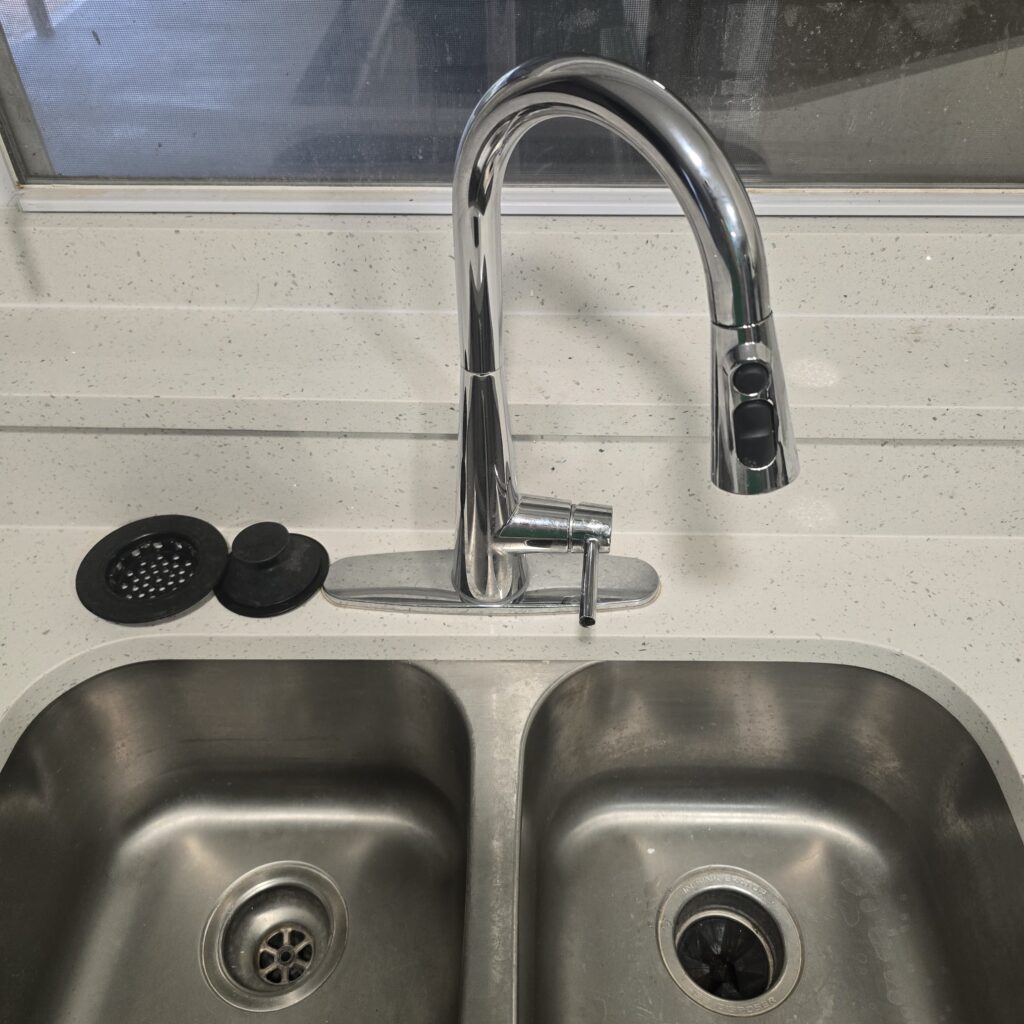
The garbage disposal is one of the most convenient appliances in a modern kitchen, but it is also a significant source of mysterious drain smells. Over time, tiny particles of food can become trapped in the grinding chamber, under the splash guard, or along the internal blades. Because the disposal is constantly exposed to moisture and warmth, these trapped bits of food begin to rot, creating a pungent odor that wafts up through the sink opening. Many people mistake this for a drain line issue when the problem is actually localized to the appliance itself.
Want to know why you shouldn’t ignore a dripping faucet? Click here for more information.
The rubber splash guard at the top of the disposal is a particularly common spot for mold and bacteria to grow. The underside of the rubber is often coated in a layer of old food debris that never gets fully rinsed away during normal use. Cleaning this area manually with a brush and soapy water can often provide immediate relief from foul scents. Additionally, the internal grinding components can be cleaned by running ice cubes and citrus peels through the disposal. The ice helps knock loose any stubborn debris, while the citrus provides a natural deodorizing effect.
If the smell persists after a thorough cleaning, the issue may be in the discharge tube that connects the disposal to the main drain. If this tube is not sloped correctly or if it has a partial clog, wastewater can sit in the line and become stagnant. Furthermore, older garbage disposals can develop leaks around the internal seals, allowing small amounts of putrid water to collect in the cabinet below. If you notice a damp, musty smell in addition to the drain odor, it is time to inspect the appliance for leaks or consider a replacement if it has reached the end of its functional lifespan.
Problems with the Water Heater and Sulfate Bacteria
Sometimes, the bad smell isn’t coming from the drain itself, but from the water coming out of the faucet. If you notice a rotten egg smell only when you run hot water, the problem is likely inside your water heater rather than your pipes. Most water heaters contain an anode rod, which is designed to corrode in place of the tank’s steel lining, protecting the heater from rust. However, in certain water conditions common in the Tulsa area, the magnesium or aluminum in the anode rod can react with sulfate-reducing bacteria in the water to produce hydrogen sulfide gas.
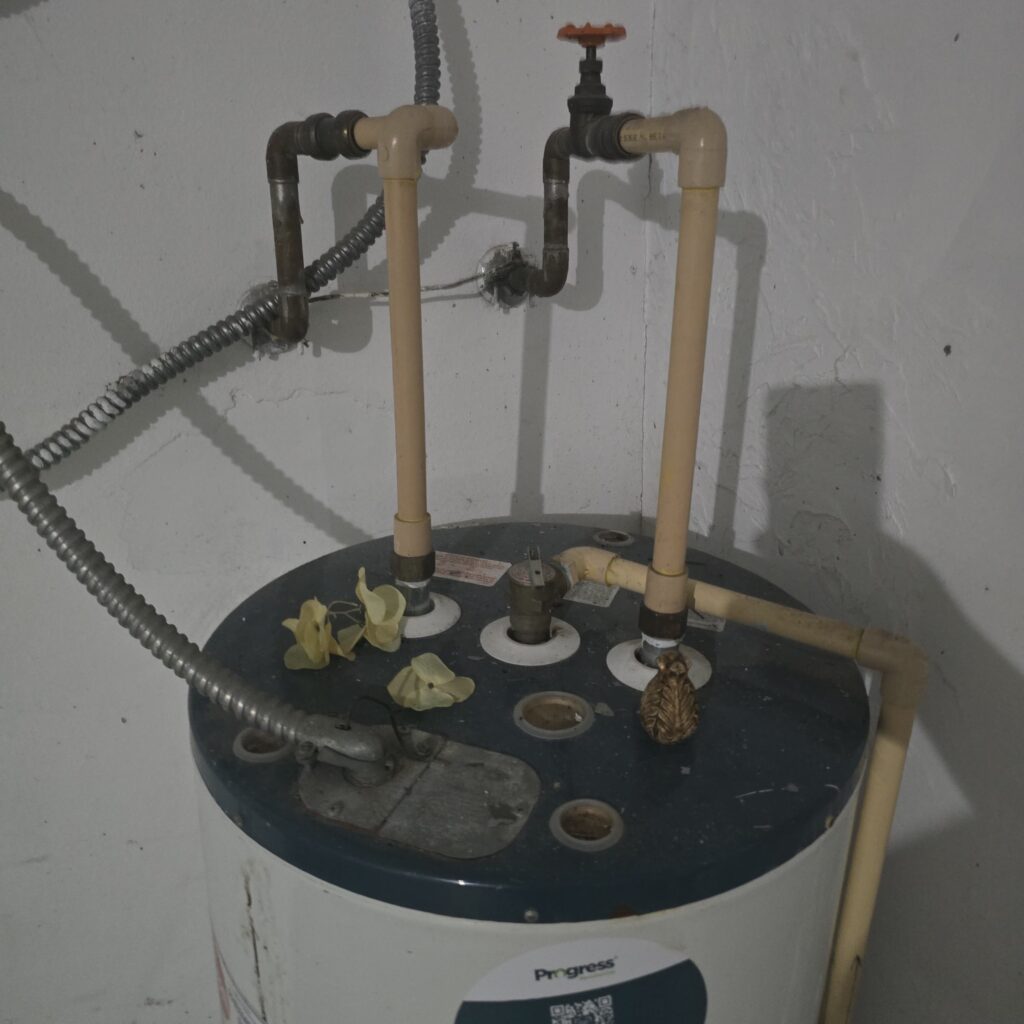
This gas is what creates that distinct and unpleasant sulfur scent. While the bacteria are generally not harmful to your health, the smell can make showering and dishwashing very unpleasant. Resolving this issue often involves flushing the water heater to remove sediment and bacteria, or in more persistent cases, replacing the standard anode rod with one made of an aluminum-zinc alloy. This specific alloy is less likely to react with the bacteria and can effectively eliminate the sulfur smell without compromising the protection of your tank.
It is also important to ensure that your water heater is set to the correct temperature. If the temperature is set too low, it can create a lukewarm environment where bacteria can thrive. Setting the water heater to at least 120 degrees Fahrenheit is usually sufficient to discourage bacterial growth while still being safe for household use. If you are unsure about how to safely service your water heater or replace the anode rod, contacting a professional ensures that the job is done correctly and that your hot water remains fresh and odor-free.
Major Breaches in the Main Sewer Line
The most serious cause of drain odors is a crack, break, or collapse in the main sewer line. This is the large pipe that carries all the wastewater from your home to the municipal connection. In Broken Arrow, the shifting clay soil and the presence of mature tree roots can cause significant damage to these underground lines over time. When a sewer line is breached, raw sewage can leak into the soil surrounding your home, or in some cases, back up into your crawlspace or basement. The resulting smell is unmistakable and represents a significant health hazard.
A failing sewer line will often present other symptoms alongside the bad smell. You might notice that all the drains in your home are running slowly, or you may see lush, green patches of grass in your yard that seem out of place. In more severe cases, you may find soggy spots or sinkholes forming over the path of the sewer line. Because this issue involves the very foundation of your home’s plumbing, it requires immediate professional intervention. A sewer camera inspection can quickly identify the location and extent of the damage without the need for extensive digging.
Repairing a main sewer line is a significant undertaking, but modern trenchless technologies often allow for repairs with minimal disruption to your landscaping. Ignoring a sewer line breach is not an option, as the leaking wastewater can attract pests, lead to mold growth, and eventually cause structural damage to your home. If the foul smell in your home is accompanied by multiple slow drains or visible changes in your yard, do not hesitate to call in the experts at Sargents Plumbing & Drain to assess the situation and provide a permanent solution.
A bad smell from your drain is more than just a minor inconvenience; it is a signal that your plumbing system needs attention. Whether the cause is a simple buildup of biofilm, a dry P-trap, or a more complex issue with your venting or sewer line, identifying the source is the first step toward a cleaner and safer home. For residents in Broken Arrow, staying vigilant about the health of your drains ensures that your living environment remains comfortable and that small problems are caught before they turn into expensive emergencies.
Taking a proactive approach to drain maintenance can prevent many of these odors from ever occurring. Regular cleaning of your kitchen and bathroom fixtures, refilling traps in unused rooms, and keeping an eye on your water heater’s performance are all simple ways to keep your home smelling fresh. However, when the scent becomes persistent or is accompanied by gurgling noises and slow drainage, it is a clear indication that a professional hand is needed to navigate the complexities of your home’s infrastructure.
Sargents Plumbing & Drain has been a trusted partner for Broken Arrow homeowners for over 25 years, providing honest and reliable solutions for every type of plumbing challenge. We understand that your home is your sanctuary, and we are dedicated to helping you maintain it with the highest level of care. Whether you need a routine drain cleaning or a comprehensive sewer line repair, our team is ready to provide the expertise and transparency you deserve. Don’t let a bad smell take over your home; reach out to the pros who understand the local landscape and let us restore the comfort and freshness of your plumbing today.