Why Your Toilet Runs More in Hot Weather
A toilet that runs more during hot weather is a common summer complaint across Broken Arrow and the greater Tulsa area. The rising temperatures of late spring and summer put extra stress on the small rubber and plastic parts inside your toilet tank. Heat speeds up the breakdown of the flapper, the float, and the fill valve, and that wear often shows up as a toilet that will not stop running. Higher water use during the hot months adds even more cycles to those parts, which wears them down faster than they would in cooler seasons. A running toilet wastes a surprising amount of water, and it can push your summer water bill far higher than you expect. The good news is that most causes are easy to identify once you understand what the heat is doing inside the tank. This guide walks through why your toilet runs more in hot weather, how to track down the problem, and when it makes sense to call a licensed plumber. Sargents Plumbing & Drain has helped homeowners across Oklahoma keep their toilets quiet and efficient through every season.
What Causes a Toilet to Run More in Hot Weather
Several factors work together to make a toilet run more often once the temperature climbs. The parts inside your tank are built from rubber and plastic, and both materials react to heat and warm water in ways that affect how well they seal. Summer also changes how your home uses water, and it changes the pressure coming from the municipal supply. Each of these shifts can keep the fill valve cycling long after a flush should have ended. Understanding the main causes makes it far easier to spot the real problem instead of guessing. Below are the three reasons a toilet tends to run more during the hottest part of the year.
How Heat Affects the Flapper and Makes a Toilet Run
The flapper is the rubber seal that sits at the bottom of your toilet tank and lifts every time you flush. When it drops back into place, it forms a watertight seal that holds water in the tank until the next flush. Rubber is sensitive to heat, and warm water passing through the tank all summer slowly breaks the material down. As the flapper ages in hot conditions, it stiffens, warps, and loses the flexible edge it needs to seal tightly. A flapper that no longer seals lets water seep quietly from the tank into the bowl. The fill valve senses the dropping water level and turns on to refill the tank, even though no one has flushed. That repeated refilling is the running sound you hear, and it happens more often as summer heat wears the rubber thin.
Water chemistry makes the problem worse during the hot months. Most municipal water carries chlorine or chloramine to keep it safe, and these chemicals slowly eat away at rubber flappers. Heat speeds up that chemical reaction, so the same flapper that lasted through winter can fail much faster in July. Hard water is common across the Tulsa area, and the minerals in it leave deposits on the flapper and the seat it rests against. Those mineral deposits create tiny gaps that break the seal and let water trickle into the bowl. The buildup grows thicker over the summer as the tank refills again and again. A flapper coated in mineral scale rarely seals the way it did when it was new. Each of these factors pushes a tired flapper past the point where it can hold water.
Spotting a failing flapper is easier once you know the signs. You may hear short bursts of refilling water every few minutes, a sound many homeowners call a phantom flush. A faint hiss or a thin stream of water running down the inside of the bowl points to the same problem. A simple dye test confirms it: add a few drops of food coloring to the tank, wait about fifteen minutes, and check the bowl. Color in the bowl means water is leaking past the flapper. Most flappers should be replaced every three to five years, and a hot Oklahoma summer can shorten that lifespan. If yours is brittle, warped, or coated in scale, a new flapper is the first repair to make.
How Summer Water Pressure Makes a Toilet Run More
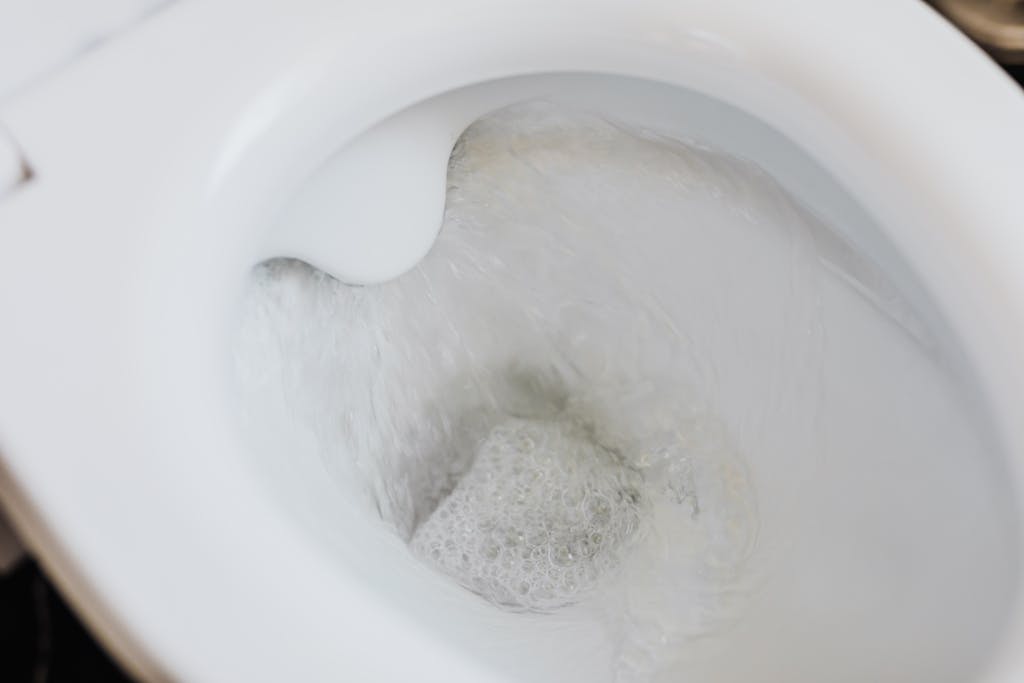
Water pressure changes a great deal during summer, and those changes reach every toilet in your home. When the weather turns hot, entire neighborhoods run sprinklers, fill pools, and use more water than they do in cooler months. That heavy demand causes the pressure in the municipal supply lines to rise and fall throughout the day. Your toilet fill valve is built to handle a steady range of pressure, and sharp swings put extra strain on it. Higher than normal pressure pushes harder against the small seals inside the valve. Over time that pressure wears the valve and keeps it from closing all the way. A valve that cannot fully close lets water keep trickling into the tank, which keeps the toilet running.
The fill valve depends on a float to tell it when the tank is full and when to shut off. When pressure climbs, water can force its way past a worn valve even after the float has risen. Late at night, when neighborhood demand drops, pressure often spikes higher than during the day. That overnight spike is one reason a toilet may run more after the house goes quiet. Closed plumbing systems can also build pressure as warm water expands inside the pipes. All of this extra force lands on the same small fill valve that controls your tank. The result is a valve that struggles to seal and a toilet that runs more during the hottest stretch of the year.
A few clues point to pressure as the cause rather than the flapper. The toilet may run worse at certain times of day, especially overnight or early in the morning. You might notice a banging sound in the pipes, often called water hammer, when a fixture shuts off. More than one toilet acting up at the same time is another sign that pressure is the shared problem. A pressure regulator can bring a high or unstable supply back into a safe range. Pressure problems often trace back to the lines that feed water into your home. Need help with the lines feeding your fixtures? Click here for our water supply line service.
How Higher Summer Water Use Makes a Toilet Run More
Households simply use more water during the summer, and toilets see more action than usual. Kids are home from school, families host guests, and everyone drinks more water to stay cool in the heat. Every single flush sends the flapper up and the fill valve into a full cycle. A toilet that handled a dozen flushes a day in winter may handle twice that number on a busy summer afternoon. The parts inside the tank are built to last for thousands of cycles, not forever. When the number of flushes climbs, those parts reach the end of their life sooner. More use in a short window means more wear packed into a single season.
The flapper and fill valve are mechanical parts, and mechanical parts wear out with every cycle. Each flush flexes the flapper, lifts the float, and opens and closes the valve. Thousands of extra summer cycles speed up the slow march toward failure. When heavy use combines with summer heat, the two problems feed each other. The rubber is already softening from the warm water, and the constant flushing finishes the job. Parts that might have lasted another year can fail in the middle of July instead. This is why so many running toilet calls come in during the hottest weeks of the year.
Heavy use can also knock smaller parts out of adjustment. The chain that connects the handle to the flapper can tangle, stretch, or settle in the wrong spot after constant flushing. A chain that is too short holds the flapper open a crack, and water keeps draining into the bowl. The float can drift out of position, which changes the water level and confuses the fill valve. A handle that sticks down keeps the flapper raised and the tank draining. Checking these small parts is quick, and a minor adjustment often quiets a toilet that has been running all summer. When the simple fixes do not hold, deeper wear is usually the cause.
How to Stop a Toilet From Running in Hot Weather
Stopping a running toilet starts with finding which part has failed. Most of the work happens inside the tank, and the parts are simple enough that many homeowners can inspect them in a few minutes. A flashlight, a pair of gloves, and a little patience are usually all you need to start. The goal is to watch the tank refill and notice where the water is escaping. From there you can decide if a quick adjustment will do or if a part needs to be replaced. The steps below cover the most common fixes for a toilet that runs more in hot weather.
Checking the Flapper to Stop a Toilet From Running
Start by lifting the lid off the tank and setting it somewhere safe, since the porcelain is heavy and breaks easily. Watch the tank go through a full flush and refill so you can see how the flapper moves. A healthy flapper drops flat and seals the opening the moment the tank empties. Look closely for a flapper that sits crooked, lifts at the edges, or fails to settle fully. Run a finger along the rubber and feel for stiffness, cracks, or a slimy mineral coating. Check the seat, which is the round opening the flapper covers, for scale or grit that could break the seal. These quick checks tell you fast if the flapper is the source of the running.
If the flapper looks worn, you have two choices, and replacing it is usually the smart one. A flapper that is only dirty can sometimes be cleaned by wiping the rubber and scrubbing the seat with a soft cloth. Mineral scale on the seat often comes off with a little vinegar and gentle scrubbing. A flapper that is stiff, cracked, or warped should be replaced rather than cleaned. New flappers are inexpensive and sold at any hardware store. Bring the old flapper with you so you can match the size and style, since toilets vary by brand. A correct match seals far better than a universal flapper that does not quite fit your tank.
After installing a new flapper, run the dye test again to confirm the leak is gone. Add food coloring to the tank, wait fifteen minutes without flushing, and check the bowl for any color. A clean bowl means the new flapper is sealing the way it should. If color still appears, the problem may sit deeper in the tank or in the flush valve assembly. A worn flush valve seat sometimes needs replacement, which is a larger job than swapping a flapper. When a new flapper does not stop the running, it is time to look at the fill valve and float.
Adjusting the Fill Valve and Float to Stop a Toilet From Running
The float controls how high the water rises before the fill valve shuts off. When the float sits too high, water climbs past the top of the overflow tube and drains straight into the bowl. The fill valve never senses a full tank, so it keeps running to replace the water that keeps escaping. This is one of the most common reasons a toilet runs without stopping. The fix is to lower the float so the water stops about an inch below the top of the overflow tube. Watch the tank refill after the adjustment and confirm the water settles below that line. A correct water level lets the fill valve close and the running stop.
Toilets use one of two float styles, and each adjusts in a slightly different way. Older toilets use a ball float on the end of a long metal arm that floats on the surface. Bending the arm down or turning the adjustment screw lowers the water level on this style. Newer toilets use a cup float that slides up and down along the fill valve shaft. A small clip or screw on the side lets you slide the cup lower to drop the water level. Mark the inside of the overflow tube so you have a clear target while you adjust. Take your time and test the refill after each small change rather than guessing at the final position.
Sometimes the float is set correctly and the fill valve still will not shut off. A fill valve that hisses, drips, or runs without stopping has usually worn out and needs replacement. Replacement valves are affordable and come with instructions, though the job involves shutting off the supply and draining the tank. A constant trickle you cannot trace may also point to a hidden leak somewhere in the system. Running toilets are one of the most common sources of silent water loss in a home. Think you have a hidden leak driving up your bill? Click here for our leak detection service.
Telling Tank Condensation From a Toilet That Runs
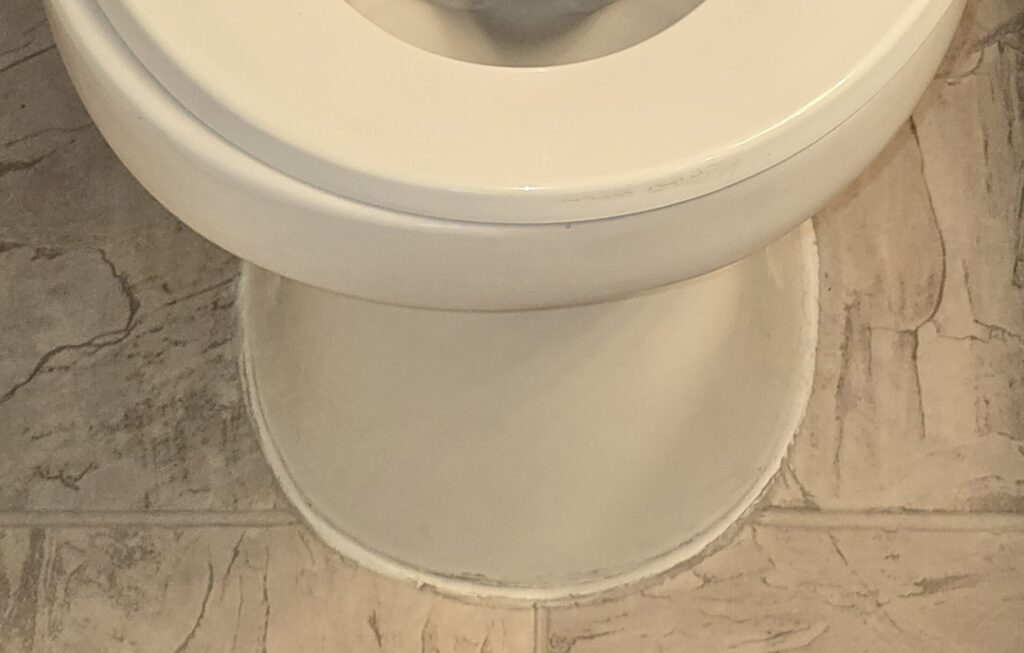
Hot, humid Oklahoma summers create a problem that looks like a running toilet but is something different. The water inside your tank stays cold, while the air around it turns warm and damp. When that humid air touches the cold porcelain, moisture condenses on the outside of the tank, just like a cold glass sweats on a summer day. The water drips down the tank and pools on the floor, which many homeowners mistake for a leak. This is called tank sweating, and it has nothing to do with the flapper or fill valve. The toilet is not running at all in this case; the moisture comes from the air, not the tank. Knowing the difference saves you from chasing a repair that will not fix the puddle.
Telling the two apart is straightforward once you know what to check. A running toilet makes noise, so listen for the hiss or the bursts of refilling water. Lift the lid and watch the tank; a running toilet shows water moving or dripping into the bowl. Condensation, by contrast, is silent and shows up only on the outside surface of the tank. Run your hand along the outside and feel for a damp, beaded film of water. If the outside is wet but the inside is quiet and sealed, you are dealing with condensation rather than a running toilet.
Tank sweating has its own set of fixes that differ from a running toilet repair. A foam tank liner glued inside the tank insulates the cold water from the warm porcelain and stops the condensation. An anti sweat valve mixes a small amount of warm water into the supply so the tank does not stay icy cold. Lowering the humidity in the bathroom with better ventilation or a dehumidifier also helps. Wiping up the moisture quickly protects your flooring and the wax ring beneath the toilet. Left alone, constant condensation can rot subflooring and feed mold over time. A plumber can recommend the right fix once the cause is confirmed.
Why You Need a Professional Plumber for a Running Toilet
Many running toilets respond to a simple flapper or float fix, but some problems run deeper. A toilet that keeps running after every basic repair points to worn internal parts, pressure issues, or a hidden leak. Water is expensive, and a toilet that runs around the clock can add a large amount to your summer bill. A licensed plumber can find the real cause quickly and fix it the right way the first time. Sargents Plumbing & Drain serves Broken Arrow, Tulsa, and the surrounding communities with fast, honest repairs all year long.
When a Running Toilet Needs a Professional Plumber
Some running toilets call for a professional from the start. If you have replaced the flapper and adjusted the float and the toilet still runs, the cause sits beyond a simple fix. A water bill that jumps without a clear reason often points to a toilet leaking more than you realize. When more than one toilet runs at the same time, a pressure or supply problem usually links them. These patterns are signs to bring in a licensed plumber rather than keep guessing. A professional saves you the cost of replacing parts that were never the real problem.
A trained plumber looks at parts of the system most homeowners never check. A cracked tank, a failing flush valve assembly, or a damaged supply line can all keep a toilet running. High water pressure across the whole home may need a regulator installed at the main line. Problems in the supply lines or shutoff valves can mimic a running toilet and need proper tools to diagnose. These repairs call for experience and the right equipment to do safely. A plumber pinpoints the true source instead of treating the symptom.
Waiting to fix a running toilet costs more than most people expect. A single running toilet can waste hundreds of gallons of water in a single day. Over a hot summer that adds up to a serious increase on your water bill. Constant moisture and overflow can also damage flooring, subfloor, and the wax seal beneath the toilet. Sargents Plumbing & Drain offers 24/7 emergency service with no extra fees for nights or weekends. Calling early turns a small repair into a fast, affordable visit.
How a Professional Plumber Fixes a Running Toilet
A professional repair starts with a full inspection of the toilet and the water supply. The plumber watches a complete flush cycle to see how the flapper, float, and fill valve work together. A dye test confirms any leak passing from the tank into the bowl. The plumber also checks the home’s water pressure to rule out a pressure problem feeding the issue. Inspecting the supply line and shutoff valve catches leaks that hide outside the tank. This careful approach finds the real cause instead of guessing.
Once the cause is clear, the plumber makes the right repair with quality parts. A worn flapper or fill valve is replaced with a part matched to your toilet. A failing flush valve assembly can be rebuilt or swapped out completely. When pressure is the problem, a regulator brings the whole home back into a safe range. A damaged supply line or shutoff valve is replaced to stop leaks at the source. Every fix is tested before the plumber considers the job done.
Professional repairs are built to last well beyond the current summer. Quality parts hold up far better than the bargain options on a store shelf. A plumber installs each part correctly so it seals the first time and stays sealed. Sargents Plumbing & Drain backs its work with long term warranties on repairs and fixtures. That warranty gives you peace of mind that the running toilet is truly fixed. A lasting repair protects your water bill and your home for seasons to come.
Why Choose Sargents Plumbing & Drain for a Running Toilet
Sargents Plumbing & Drain is locally owned and built on honesty and hard work. Our team is licensed and insured, so every repair meets the standards your home deserves. We are dedicated to providing 5 star service on every call, large or small. Homeowners across the Tulsa area trust us to fix running toilets quickly and correctly. We treat your home with respect and clean up when the work is done. That commitment to quality is why so many neighbors call us first.
We make professional plumbing affordable and fair for every household. We offer 10% discounts for veterans, teachers, seniors, and more as a thank you for their service. There are no additional fees for emergency or weekend calls, so a midnight repair costs the same as a midday one. Financing is available to help you handle larger repairs without straining your budget. Our repairs are backed by long term warranties on repipes and fixtures. Fair pricing and honest work go hand in hand on every job we take.
We proudly serve Broken Arrow, Tulsa, Owasso, Jenks, Bixby, and the surrounding Oklahoma communities. Our 24/7 emergency service means help is ready any hour of any day. A running toilet does not have to wait until morning to get fixed. Call Sargents Plumbing & Drain today at (918) 380-5637 to schedule your repair. You can also reach us by email at info@sgtplumbing.com with any questions. Let us stop that running toilet and keep your summer water bill under control.