Winter Plumbing Checklist for Oklahoma Homes
Oklahoma winters are famous for their unpredictability. We might enjoy a mild, sunny week in December only to be hit by a brutal ice storm or a deep freeze in January. This constant fluctuation between comfortable days and freezing nights creates a unique challenge for homeowners, particularly when it comes to their plumbing. The rapid expansion and contraction caused by shifting temperatures can wreak havoc on pipes, water heaters, and outdoor fixtures. For residents in Broken Arrow and the greater Tulsa area, preparing for these sudden drops is not just a good idea; it is a necessary step to prevent thousands of dollars in water damage.
Many homeowners believe that because we are not in the far north, we do not need to worry about frozen pipes. This is a dangerous misconception. In fact, homes in our region are often more vulnerable precisely because they were not built with the extreme, sustained cold in mind. Pipes are frequently run through attics, crawl spaces, or exterior walls that lack the heavy insulation found in colder climates. When a hard freeze hits, these exposed lines are the first to fail. By taking the time to perform a comprehensive winter check, you can protect your home and sleep soundly knowing your plumbing system is ready for whatever the Oklahoma weather brings.
Protect Your Outdoor Faucets and Hoses
The most common cause of frozen pipes in our area is also the easiest to prevent. Garden hoses that are left attached to outdoor spigots during freezing weather create a direct bridge for cold air to travel into your home. Even a “frost free” faucet can burst if a hose is left connected. The water trapped inside the hose freezes and expands, backing up into the faucet and the pipe inside your wall. When the ice expands, it splits the copper or PEX pipe. You often will not realize the damage has been done until the next time you turn the hose on in the spring, flooding your wall cavity.
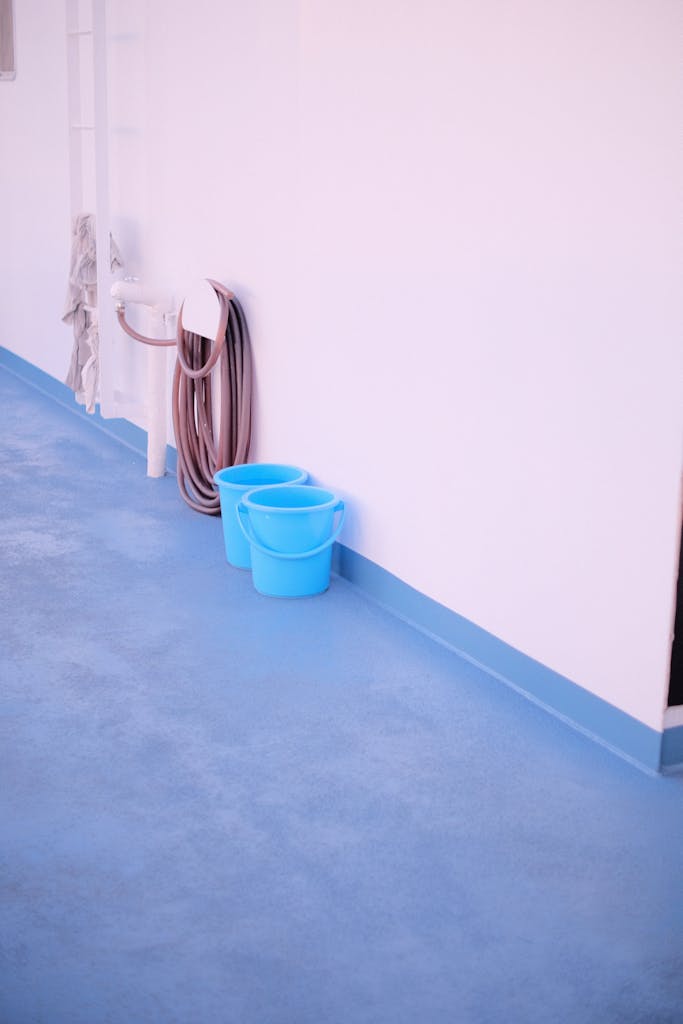
The first step on your checklist should always be to disconnect every hose from your home. Drain the water from the hoses and store them in a shed or garage to prevent the rubber from cracking in the cold. Once the hoses are removed, inspect the faucet itself. If it is dripping, even slightly, you must get it repaired before the temperatures drop. A slow drip can freeze and block the pipe, leading to a burst.
For standard outdoor faucets, we highly recommend installing foam faucet covers. These are inexpensive, easy to find at any local hardware store, and take only seconds to install. They create a small pocket of insulated air around the fixture, protecting it from the wind and the biting cold. If you have an older home with an interior shut off valve for the outdoor water line, turn it off and open the outside faucet to drain any remaining water. This is the ultimate protection against freezing.
Insulate Vulnerable Pipes in Unheated Areas
Your home likely has water lines running through areas that are not climate controlled. In Broken Arrow, it is common for pipes to run through the attic, especially in slab foundation homes. Pipes also frequently run through unheated garages and crawl spaces. These are the danger zones. When the temperature outside drops to the single digits, the temperature in your attic or crawl space can easily dip below freezing. If these pipes are not properly insulated, the water inside them will turn to ice, expand, and rupture the line.
Need your water supply line checked? Click here for our water supply line service.
Go into your attic and crawl space with a flashlight and look for any exposed plumbing. You want to ensure that every inch of pipe is covered with foam pipe insulation. This insulation acts like a winter coat for your plumbing, retaining the heat from the water and preventing the cold air from penetrating the pipe wall. If you find existing insulation that is torn, wet, or missing, replace it immediately.
For pipes in the garage, pay special attention to the lines running to your water heater or washing machine. If your garage door is not insulated, these pipes are essentially outside. In addition to wrapping the pipes, keep your garage door closed as much as possible during cold spells. You can also place a small space heater in the garage during extreme lows to keep the ambient temperature above freezing, but always prioritize safety and keep combustibles away from the heater.
Know Your Main Water Shut Off Valve
In the event of a plumbing emergency, speed is your best friend. If a pipe bursts at two in the morning, you need to know exactly how to stop the flow of water immediately. Searching for the shut off valve while water is pouring through your ceiling is a panic inducing experience that no homeowner wants to face. As part of your winter prep, locate your main water shut off valve and test it to make sure it works.
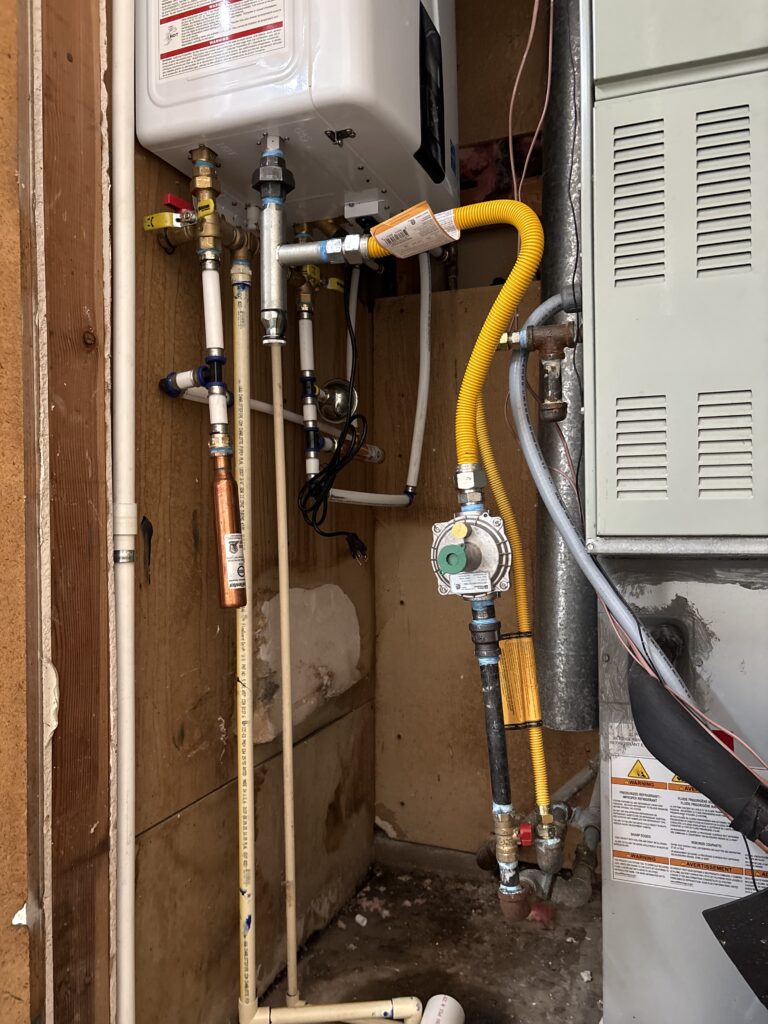
In many newer homes in our area, the main shut off is located in the garage, often near the water heater or on the wall closest to the street. It may be a lever handle or a round wheel handle. If you have a lever, turning it so it is perpendicular to the pipe shuts off the water. If you have a wheel, turn it clockwise until it stops.
However, in many Broken Arrow homes, especially those built on a slab, the only shut off valve may be outside in the meter box. This box is typically located near the curb or sidewalk in a concrete or plastic enclosure buried in the ground. You may need a special tool called a water meter key to turn this valve, as it is often deep underground and hard to reach with a standard wrench. We recommend every homeowner purchase a meter key from a hardware store and keep it in an easily accessible place. Knowing where this valve is and having the tool to operate it can save you thousands of dollars in water damage.
Special Care for Tankless Water Heaters
If you have upgraded to a tankless water heater, such as a Navien unit, your winterization steps are slightly different. Tankless units are fantastic for efficiency, but they have specific needs during a freeze. The most important rule is to never unplug your tankless unit during a cold snap. These systems have built in freeze protection heaters that keep the internal components warm. These heaters require electricity to function. If you unplug the unit, you disable this safety feature, and the heat exchanger can freeze and crack very quickly.
You also need to check the exhaust and intake vents on the outside of your home. Ensure they are clear of any ice, snow, or debris. If the intake is blocked, the unit will shut down, leaving you without hot water and potentially exposing the unit to freezing temperatures. Additionally, check the condensate drain line. High efficiency units produce acidic water called condensate that must be drained away. If this drain line runs outside, it can freeze, causing the unit to back up and shut off. Ensure this line is insulated or protected with heat tape if it is exposed to the elements.
Preparing for the Deep Freeze
When the forecast predicts a hard freeze, usually defined as temperatures dropping below twenty degrees or staying below freezing for more than twenty four hours, you need to take active measures inside your home. The goal is to keep warm air circulating around your plumbing and to keep the water moving. Standing water freezes much faster than moving water.
Go to the faucets in your home that are located on exterior walls. Turn on the cold water until it is a slow, steady drip. You do not need a heavy stream; a drip is sufficient to keep the water moving through the pipes and prevent pressure from building up. If you have a two handle faucet, open both the hot and cold sides slightly.
Want to know the most common plumbing issues in our area? Click here for more information.
Open the cabinet doors under your kitchen and bathroom sinks. This allows the warm air from your home’s heating system to reach the pipes hidden inside the dark, cold cabinets. This is especially important for sinks located on outside walls. Keep your thermostat set to a consistent temperature, day and night. While many people turn the heat down at night to save money, during a deep freeze, you should keep it at 68 degrees or higher to ensure your walls stay warm enough to protect the plumbing inside them.
Don’t Forget the Sprinkler System
Your underground sprinkler system is another common victim of winter weather. The pipes for these systems are buried relatively shallowly and are often made of PVC, which becomes brittle in the cold. If water is left in these lines, it will freeze and shatter the pipes or the expensive backflow preventer valve.
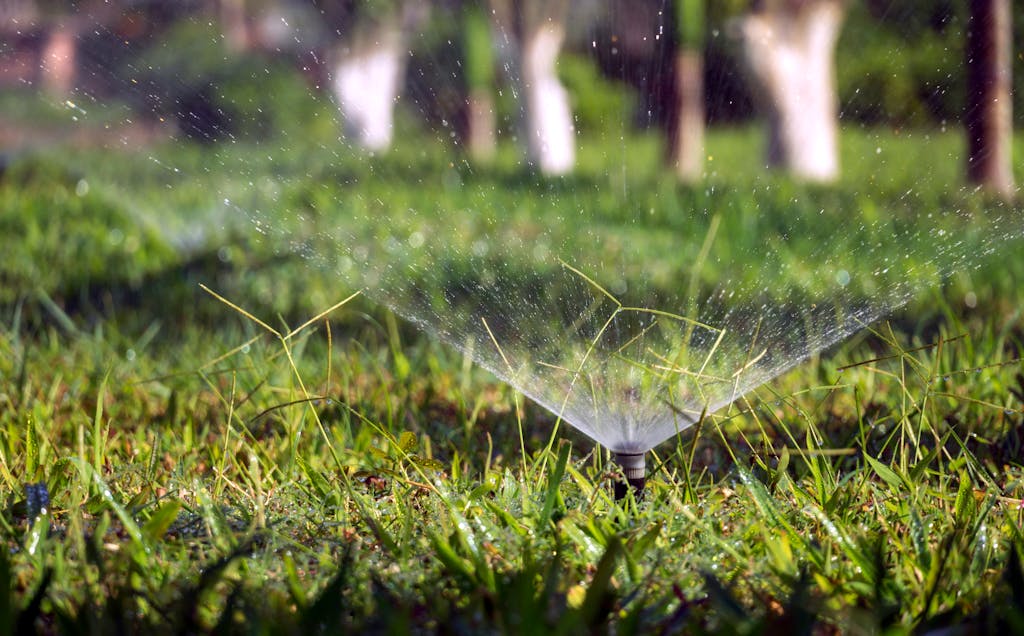
The best way to protect your irrigation system is to have it professionally drained or “blown out” with compressed air. This removes all the water from the underground lines and the sprinkler heads. At a minimum, you must turn off the water supply to the irrigation system and open the drain valves to let as much water out as possible. Most systems have a dedicated shut off valve near the main water meter or in the garage. Wrap the main shut off valve and the backflow preventer which sticks out of the ground with insulation or an old towel covered in plastic to protect them from the wind.
Winter in Oklahoma does not have to mean plumbing disasters. A little bit of preparation goes a long way toward keeping your home safe and dry. By taking the time to insulate your pipes, protect your outdoor fixtures, and understand how your specific water heater works, you are building a defense against the cold. These simple steps are an investment in your home’s longevity and your own peace of mind.
However, if you are unsure about the condition of your pipes or if you cannot locate your main shut off valve, it is always best to call a professional. At Sargent Plumbing and Drain, we have over 25 years of combined experience helping Broken Arrow families prepare for the winter. We can perform a thorough inspection of your plumbing system, insulate exposed lines, and ensure your water heater is ready for the heavy load of winter. We value integrity and hard work, and we are here to provide you with the 5 star service you deserve. Do not wait until the first ice storm hits; contact us today to get your home winter ready.