Hard Water Damage to Pipes and Fixtures
Water is the lifeblood of every modern household, facilitating everything from the morning shower to the evening meal preparation. However, the quality of the water flowing through your plumbing system can have a profound impact on the longevity and efficiency of your home. For residents in Broken Arrow, Oklahoma, hard water is a common reality that quietly works against the health of pipes, appliances, and fixtures every single day. While water is often seen as a gentle force, the dissolved minerals it carries can behave like liquid sandpaper, gradually eroding the integrity of your plumbing infrastructure and leaving behind a wake of costly destruction.
Hard water is defined by its high concentration of minerals, primarily calcium and magnesium. These minerals are picked up as groundwater travels through limestone and chalk deposits before entering the municipal supply. While these minerals are generally safe for human consumption, they are incredibly problematic for the mechanical systems inside a home. As hard water is heated or left to sit, these minerals precipitate out of the liquid and solidify into a rock hard substance known as scale. This scale accumulation is a persistent threat that most homeowners do not fully appreciate until a major appliance fails or a pipe becomes so restricted that water barely trickles from the faucet.
Understanding the mechanics of hard water damage is the first step toward protecting your property investment. Many people view the white, crusty buildup on their showerheads as a mere cosmetic nuisance, but it is actually a visible warning sign of a much larger crisis occurring deep within the walls of the home. In Broken Arrow, where environmental factors can already put stress on residential plumbing, the added burden of mineral scale can accelerate the need for expensive repairs. By taking a closer look at how these minerals interact with various components of your plumbing, you can better recognize the early warning signs of damage and take proactive measures to mitigate the long term consequences.
The Chemistry of Mineral Scale Accumulation
To understand why hard water is so damaging, it is helpful to look at the process of calcification. When water containing high levels of calcium and magnesium is heated, the minerals undergo a chemical change that causes them to bind together. This results in the formation of calcium carbonate, which is essentially the same material that makes up limestone rock. Once this scale begins to form, it clings tenaciously to any surface it touches, particularly the interior of metal and plastic pipes. This is a progressive issue; as the initial layer of scale forms, it creates a rough surface that makes it even easier for more minerals to latch on and grow.
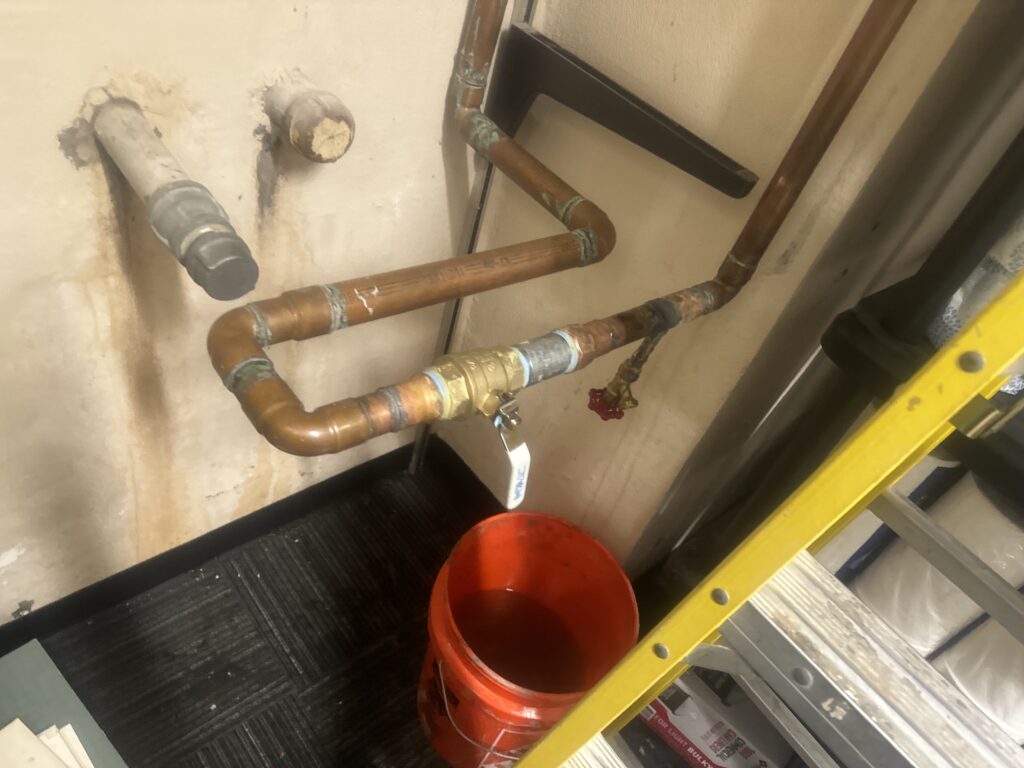
In a standard plumbing system, this buildup behaves much like cholesterol in a human artery. As the layer of scale thickens, the interior diameter of the pipe becomes increasingly narrow. This restriction forces the plumbing system to work significantly harder to move the same volume of water. The resulting increase in internal pressure can place undue stress on joints, valves, and seals, leading to pinhole leaks and catastrophic failures in areas that were previously sound. For homeowners, this often manifests as a gradual decline in water pressure that seems impossible to resolve through standard cleaning methods.
The thermal conductivity of scale is another significant problem. Calcium carbonate is an excellent insulator, which means it resists the transfer of heat. When scale forms inside a pipe or on a heating element, it creates a thermal barrier that prevents the water from being heated efficiently. This causes the plumbing system to consume significantly more energy to achieve the desired temperature, leading to higher utility bills and the premature burnout of mechanical components. The chemical reality of hard water is that it is constantly attempting to revert back into its solid mineral form, and your plumbing system is the unfortunate vessel for that transformation.
Impact on Residential Piping Systems
The most hidden and perhaps the most dangerous aspect of hard water damage occurs within the main supply lines and branch piping of the home. Regardless of whether your home uses copper, galvanized steel, or modern PEX piping, mineral scale can find a foothold. Galvanized steel pipes are particularly vulnerable because their interior surfaces are naturally prone to corrosion. When hard water interacts with the rough interior of an aging galvanized pipe, the scale and rust work together to create a dense obstruction that can almost completely seal off the flow of water over several decades.
Need repiping for your home? Click here for our repiping service.
In copper piping, scale accumulation often leads to a phenomenon known as turbulent flow. As the interior of the pipe becomes jagged and irregular due to mineral deposits, the water no longer moves in a smooth, linear fashion. Instead, it swirls and eddies, creating high pressure zones that can wear away the copper from the inside out. This localized erosion is a leading cause of slab leaks in Oklahoma homes, where the pipe fails in a specific spot even though the rest of the line appears to be in relatively good condition. These leaks are often difficult to detect until they have already caused significant structural damage to the foundation.
PEX and other plastic piping materials are often marketed as being resistant to scale, but they are not entirely immune. While the smooth interior of PEX makes it harder for minerals to attach, the fittings and valves used to connect the lines are still highly susceptible to buildup. When scale accumulates at a manifold or a shutoff valve, it can restrict the flow to an entire section of the house. Furthermore, the presence of scale in the lines can harbor bacteria and create a gritty environment that damages the internal seals of any fixture connected to the system. The long term health of your home’s piping is directly tied to the mineral content of the water it carries.
Damage to Water Heaters and Large Appliances
The water heater is often the first major appliance to suffer the consequences of hard water. Because heat is the primary catalyst for mineral precipitation, the interior of a water heater tank acts like a laboratory for scale production. Over time, a thick layer of sediment settles at the bottom of the tank, burying the heating element in electric models or insulating the burner in gas models. This forces the unit to run for longer periods and at higher temperatures to heat the water, which causes the metal tank to expand and contract more than intended. This mechanical stress eventually leads to the tank cracking and leaking, often years before it should have reached the end of its lifespan.

Beyond the energy waste, this sediment buildup also causes a physical reduction in the amount of hot water available. If several inches of mineral scale have accumulated at the bottom of your forty gallon tank, you no longer have forty gallons of capacity. You might notice that your showers are getting shorter or that it takes much longer for the water to recover after use. Additionally, the scale can create a popping or rumbling sound inside the tank as steam bubbles get trapped beneath the sediment layer and burst through. This is a definitive sign that your water heater is struggling against mineral buildup and is likely nearing a total failure.
Other water using appliances like dishwashers and washing machines are equally at risk. The tiny valves and spray arms in a dishwasher can easily become clogged with grit and scale, preventing the machine from cleaning effectively. In washing machines, hard water can damage the internal pump and heating elements, while the minerals themselves react with detergents to create a sticky curd that clings to clothing and the interior drum. These issues shorten the functional life of these expensive machines, forcing homeowners in Broken Arrow to face replacement costs much more frequently than those living in areas with naturally soft water.
Degradation of Faucets and Bathroom Fixtures
While the damage inside the walls is hidden, the impact of hard water on your visible fixtures is undeniable and frustrating. Faucets, showerheads, and handles are designed with precision moving parts and small orifices that are easily compromised by mineral deposits. When you see white, crusty buildup around the base of a faucet or on the face of a showerhead, you are seeing the tip of the iceberg. This scale often extends into the internal cartridge of the faucet, causing it to become difficult to turn or leading to persistent drips that waste thousands of gallons of water over time.
Want to know how to extend the life of your plumbing system? Click here for more information.
Showerheads are particularly prone to hard water issues because they are frequently exposed to high temperature water that evaporates, leaving the minerals behind. This leads to clogged nozzles that result in low pressure or uneven spray patterns. Many homeowners try to resolve this by scrubbing the exterior, but the minerals are often wedged deep inside the fixture where they cannot be reached. Over time, the internal pressure created by these clogs can cause the showerhead to leak from the connection point or even crack the fixture body. This results in an unsatisfactory shower experience and the constant need to replace expensive decorative hardware.
In the bathroom, hard water also takes a toll on the aesthetic surfaces of your home. The mineral film that develops on glass shower doors, porcelain tubs, and ceramic tiles is incredibly difficult to remove and can permanently etch the surface of these materials if left for too long. This film acts like a magnet for soap scum and body oils, creating a stubborn layer of grime that requires harsh chemical cleaners to address. These chemicals, while effective at removing scale, can further damage the finish of your fixtures and the grout between your tiles. The constant battle to keep a bathroom clean in a hard water environment is a significant drain on a homeowner’s time and resources.
The Financial Burden of Hard Water
The costs associated with hard water damage extend far beyond the occasional plumbing repair. When you factor in the increased utility bills, the premature replacement of appliances, and the constant need for cleaning products, the financial impact is substantial. A water heater that is choked with scale can be up to thirty percent less efficient than a clean unit, adding hundreds of dollars to your annual energy costs. When you multiply this over the lifespan of the home, the price of ignoring hard water begins to look like a major financial oversight.

Plumbing emergencies caused by scale are also notoriously expensive. A slab leak or a burst pipe behind a wall requires invasive repairs that often involve tearing out flooring, drywall, and cabinetry. These projects are not only costly in terms of labor and materials, but they also cause significant disruption to the daily lives of Broken Arrow families. Furthermore, the resale value of a home can be impacted by the condition of its plumbing. A savvy home inspector will look for signs of hard water damage, and a report filled with warnings about failing fixtures and aging pipes can give potential buyers pause or lead to demands for expensive credits during negotiations.
Investment in water treatment technology is often seen as an expense, but in a hard water area, it is more accurately described as a protective investment. By preventing the minerals from entering the plumbing system in the first place, you are extending the life of every pipe, valve, and appliance in the house. This proactive approach saves money in the long run by reducing the frequency of service calls and ensuring that your home’s infrastructure operates at peak efficiency. For many homeowners, the peace of mind that comes with knowing their plumbing is protected is just as valuable as the direct financial savings.
Solutions and Preventative Maintenance
Fortunately, hard water is a problem with a definitive solution. The most effective way to address the issue is through the installation of a high quality water softening system. A water softener works through a process called ion exchange, where the calcium and magnesium ions are replaced with sodium or potassium ions. This effectively removes the minerals before they have a chance to enter your home’s piping, ensuring that only soft water reaches your appliances and fixtures. Modern softening systems are highly efficient and can be customized to the specific hardness levels found in the Broken Arrow municipal supply.
For those who are already dealing with the effects of hard water, there are steps that can be taken to mitigate the damage. Flushing your water heater once or twice a year can help remove the accumulated sediment from the bottom of the tank, improving efficiency and potentially extending its life. Cleaning showerheads and faucet aerators by soaking them in a vinegar solution can also help dissolve surface scale and restore proper flow. However, these are temporary fixes that do not address the root cause of the problem. Without a softening system, the minerals will continue to accumulate and cause damage behind the scenes.
If you suspect that hard water is taking a toll on your home, a professional plumbing inspection is a wise next step. The team at Sargents Plumbing & Drain has decades of experience helping Oklahoma homeowners navigate the challenges of hard water. We can test your water’s mineral content, inspect your fixtures for signs of scale, and recommend the most effective treatment options for your specific needs. Whether you need to repair damage that has already occurred or you want to prevent future issues through a whole home filtration system, having an expert partner ensures that your home’s plumbing remains in top condition.
Hard water is a silent and persistent threat to the residential infrastructure of Broken Arrow. From the unseen accumulation of scale inside your main supply lines to the frustrating clogs in your favorite showerhead, the minerals in our local water are constantly working to degrade the quality and efficiency of your home. While it is easy to ignore the slow buildup of calcium and magnesium, the long term consequences of inaction are inevitable and expensive. Protecting your home from mineral damage is not just about aesthetics; it is about preserving the functional heart of your property.
By understanding how hard water interacts with your pipes, appliances, and fixtures, you can take control of your plumbing health. The costs of energy waste, appliance replacement, and emergency repairs far outweigh the investment in a reliable water treatment system. In a community that values home ownership and property preservation, addressing water quality is a foundational part of responsible maintenance. Your plumbing system is designed to serve you for decades, but it requires the right environment to do so reliably.
Sargents Plumbing & Drain is dedicated to helping our neighbors in Broken Arrow and the Tulsa metro area maintain safe and efficient homes. We understand the specific water challenges of our region and offer the expertise needed to solve them permanently. If you are tired of fighting the crusty buildup on your fixtures or you are worried about the health of your hidden pipes, remember that help is just a phone call away. Investing in the quality of your water today is the best way to ensure the longevity of your plumbing for the future.