How to Tell If Your Main Water Line Is Leaking Underground
A main water line leak underground can run for weeks before you ever notice a single drop inside your home. The pipe sits buried beneath your yard, driveway, or foundation, so the damage stays hidden while your water bill quietly climbs. Many homeowners in Broken Arrow and the greater Tulsa area only discover the problem after a soft, soggy patch appears in the grass or the water pressure drops at every faucet. The good news is that an underground main water line leak almost always leaves clues, and you can learn to spot them early. Catching a leak fast protects your foundation, lowers your utility costs, and prevents a small crack from turning into a flooded yard. This guide walks you through the warning signs, the simple tests you can run yourself, and the causes that put your buried supply line at risk. By the end, you will know exactly when to call a licensed plumber and what to expect during the repair.
Common Signs Your Main Water Line Is Leaking Underground
Your main water line carries every gallon your household uses, so a leak in that pipe shows up across many parts of your home and property. The signs range from obvious puddles to subtle changes you might brush off as normal wear. Because the pipe runs underground, the symptoms often appear far from the actual break. A leak near the street can soak the curb, while a leak near the house can damage the slab. Learning the full list of warning signs helps you act before the water undermines your foundation or floods the lawn. The sections below break the clues into three groups: signs inside the home, signs in the yard, and signs on your monthly bill.
Warning Signs of an Underground Main Water Line Leak Inside Your Home
Inside the house, the first hint of an underground main water line leak is usually weak water pressure at every fixture at once. When the buried supply pipe loses water before it reaches your home, faucets trickle, showers feel weak, and appliances take longer to fill. A drop that affects only one sink points to a local clog, but a drop that hits the whole house points to the main line. You might also hear a faint hissing or rushing sound in the walls or near the floor when no water is running. That sound comes from pressurized water escaping the cracked pipe and traveling through the plumbing system. Pay attention to these changes if they appear suddenly rather than over many years. A sudden shift almost always signals a new leak rather than slow buildup inside aging pipes.
Discolored or cloudy water is another indoor warning sign worth taking seriously. When a buried line cracks, soil, rust, and sediment can enter through the break and travel into your faucets. Brown, yellow, or murky water that clears after a few seconds often means dirt is sneaking in through a damaged section. You may also notice a musty or earthy smell when you run the tap, since groundwater is mixing with your clean supply. This is more than an inconvenience because contaminated water can pose a health risk to your family. Air sputtering from the faucet when you turn it on is yet another clue, as the leak lets air into the line. Any of these changes deserves a quick call to a plumber before the contamination grows worse.
Moisture and warmth can also reveal a leak that starts close to where the line enters your home. Damp spots on a basement floor, a slab that feels wet in one corner, or unexplained humidity inside the house all point to water escaping nearby. If the main line runs under a heated section of the slab, you might even feel a warm spot underfoot. Mold or mildew growing along baseboards or in lower rooms often follows, since the trapped moisture feeds it. A spike in indoor humidity can fog windows and make rooms feel sticky even with the air conditioner running. These conditions tend to worsen during the warmer, more humid months across Oklahoma. Treat persistent dampness as a serious signal rather than a seasonal quirk.
Yard and Outdoor Signs of an Underground Main Water Line Leak
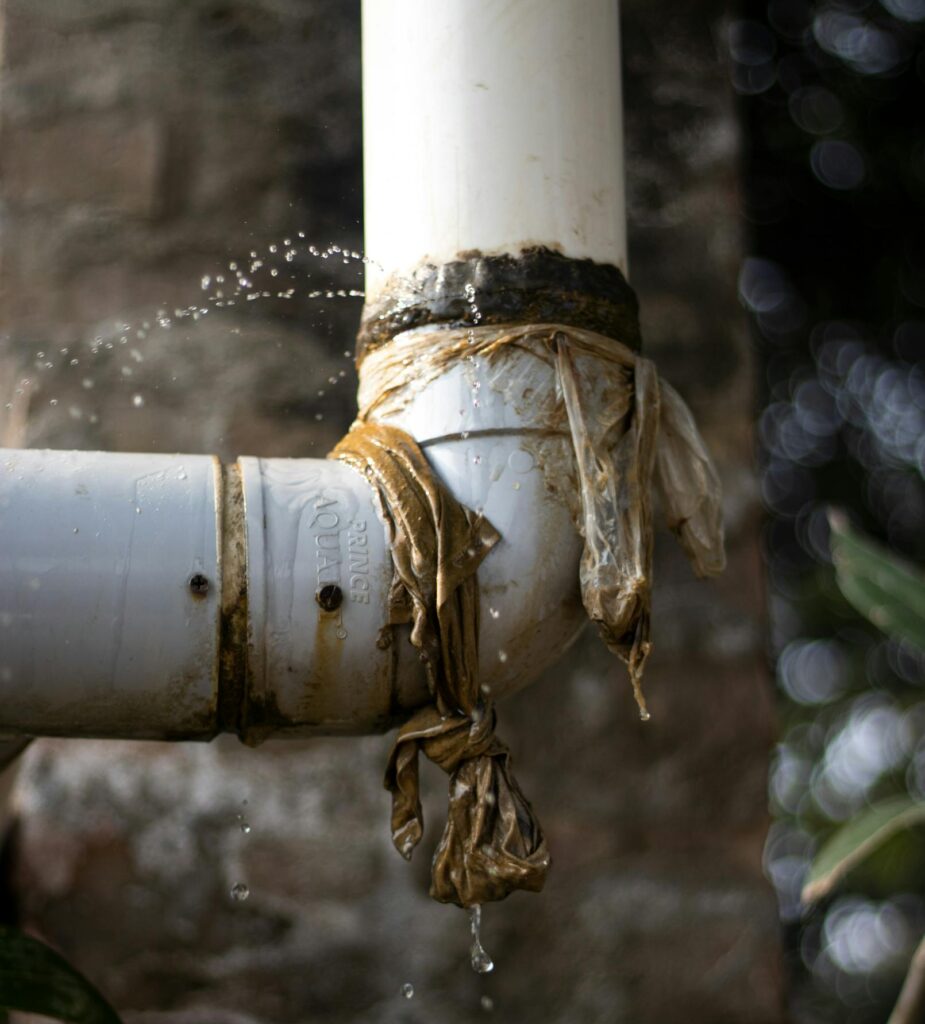
Your yard often shows the clearest evidence of an underground main water line leak. A patch of grass that stays soggy, muddy, or spongy when the rest of the lawn is dry is a classic red flag. The escaping water rises to the surface and saturates the soil directly above or near the broken pipe. You might notice your shoes sinking or squishing as you walk across that section of the yard. Standing water with no rain to explain it points straight to a buried supply line problem. In Broken Arrow, where summer heat dries out lawns quickly, a wet spot that never fades stands out even more. Walk your property after a dry stretch and look for any area that refuses to firm up.
Strangely, a water line leak can make part of your lawn look healthier than the rest. The constant moisture acts like an underground sprinkler, so the grass directly above the leak often grows greener, taller, and faster. A bright green stripe running across an otherwise even lawn frequently traces the path of the buried pipe. The same effect can cause weeds or moss to flourish in one isolated patch. While extra growth might seem harmless, it points to water being wasted day and night. Combine this clue with a soggy texture and you have strong evidence of a leak. The greener patch usually sits right over the section that needs repair.
Larger structural signs can appear in the yard and on hard surfaces when a leak goes unaddressed. Sinkholes, dips, or low spots can form as the escaping water washes soil away from beneath the ground. Cracks in your driveway, sidewalk, or patio sometimes follow, since the shifting earth no longer supports the concrete evenly. Water pooling along the foundation can lead to settling, foundation cracks, and costly structural damage over time. You may also spot potholes or uneven ground developing near the path of the main line. These problems grow worse the longer the leak continues, so early action saves you from far bigger repairs. Any new crack or depression paired with the wet ground deserves immediate attention.
How Your Water Bill Reveals an Underground Main Water Line Leak
Your monthly water bill is one of the most reliable tools for catching an underground main water line leak. A sudden, unexplained jump in usage almost always means water is escaping somewhere you cannot see. Compare your current bill to the same month last year to spot an increase that your habits do not explain. A small underground leak can waste hundreds of gallons a day, and a large one can waste thousands. If your household routine has not changed yet your bill keeps rising, the buried supply line is a prime suspect. Many utility providers list daily usage online, which makes it easy to track a steady climb. Watch for a pattern of higher bills month after month rather than a single odd reading.
The amount of waste from a buried leak adds up quickly because the pipe is always under pressure. Unlike a dripping faucet you can hear and fix, an underground leak runs constantly with no one noticing. Even a pinhole crack in the main line can push out a steady stream every minute of every day. Over a single billing cycle, that loss can translate into a painful spike in your charges. The financial damage often arrives before any visible sign appears in the yard. This is why your bill frequently sounds the alarm first. Treat an unexplained increase as a reason to investigate right away.
You can use your bill alongside a quick meter check to confirm your suspicion. Note your reading, avoid using any water for an hour or two, then read the meter again. Movement on the dial during a no-use period strongly suggests a leak between the meter and your home. If the numbers climb with every faucet shut off, the problem most likely sits in the buried main line. This simple step turns a high bill from a mystery into a clear call to action. Pair the meter result with the soggy yard and pressure clues for a confident diagnosis. Once you confirm a leak, a licensed plumber can pinpoint the exact location underground.
How to Confirm and Locate an Underground Main Water Line Leak
Spotting the signs is the first step, but confirming and locating an underground main water line leak takes a bit more effort. You can run several easy checks at home to build your case before you call a professional. From there, a trained plumber uses specialized equipment to find the exact break without digging up your entire yard. Pinpointing the leak saves time, money, and your landscaping during the repair. The sections below cover the meter test you can do yourself, the professional tools that locate hidden leaks, and the common causes behind buried pipe failures. Understanding each piece helps you make smart decisions and ask the right questions.
Using Your Water Meter to Confirm an Underground Main Water Line Leak
Your water meter offers a free and accurate way to confirm an underground main water line leak. Start by locating the meter, which usually sits near the street in a covered box at ground level. Turn off every water source in your home, including faucets, the dishwasher, the washing machine, and any irrigation system. Many modern meters include a small triangular or star shaped dial called a leak indicator that spins when water flows. If that indicator moves while everything is off, water is escaping somewhere in your system. Watch it closely for a minute or two to be sure the motion is real and not your imagination. A spinning indicator with all water off is one of the clearest proofs of a hidden leak.
For a more thorough test, record the full meter reading and write it down with the time. Leave all water off for one to two hours, and avoid flushing toilets or letting anyone use a tap. Return to the meter and read it again, then compare the two numbers. Any increase means water moved through the line while your home sat idle. This confirms a leak even when the small indicator dial is hard to read. To narrow the location, find the main shutoff valve where the line enters your home. Shut that valve and repeat the test, since a meter that keeps moving points to a leak in the buried line between the meter and the house. A meter that stops moving suggests the leak sits inside the home instead.
The meter test gives you solid evidence, but it has limits you should understand. It tells you that water is escaping, yet it cannot show you the exact spot along the buried pipe. The break could sit a few feet from the meter or many yards closer to the house. Digging blindly based on a guess often damages the lawn and misses the leak entirely. That is where professional leak detection becomes the smart next step. A licensed plumber can take your meter results and pinpoint the failure with precision. Doing the test first still helps, because it confirms the problem and speeds up the diagnosis.
Professional Leak Detection for an Underground Main Water Line Leak
Professional leak detection finds an underground main water line leak without tearing up your property. Plumbers use acoustic listening devices that amplify the sound of water escaping from a pressurized pipe. These sensitive tools can hear a leak through several feet of soil, concrete, or pavement. By moving the equipment along the path of the line, a technician narrows the noise to a small area. This method points to the break within inches, which keeps any digging minimal and targeted. The result is a faster repair and far less disruption to your yard. Need help finding a hidden leak? Click here for our leak detection service.
Beyond listening devices, plumbers rely on several other proven tools to locate buried leaks. Thermal imaging cameras detect temperature differences in the ground, since escaping water cools or warms the surrounding soil. Electronic pressure testing measures how the system holds pressure and reveals when a section is losing water. Tracer gas detection involves sending a safe, harmless gas into the line, which rises through the soil at the leak point for a sensor to catch. Video pipe cameras can be fed into the line to show cracks and breaks on a screen in real time. Combining these methods gives the plumber a clear and confident picture of where the damage sits. The right tool depends on the pipe material, the depth, and the surface above the line.
Hiring a professional for leak detection protects both your wallet and your landscaping. A skilled technician saves you from the guesswork that leads to wasted digging and ruined grass. The precise location means the repair crew opens only a small section of ground rather than trenching the whole yard. Accurate detection also confirms the size and severity of the break, which guides the best repair method. You gain a clear report and a fair estimate before any work begins. This upfront clarity helps you plan and budget with confidence.
Common Causes Behind an Underground Main Water Line Leak
Knowing what causes an underground main water line leak helps you understand the risk and prevent future failures. Corrosion ranks as one of the most common culprits, especially in older homes with galvanized steel or cast iron pipes. Over the years, minerals in the water and the surrounding soil eat away at the metal until it weakens and cracks. Homes built decades ago in the Tulsa area often still rely on these aging materials. Once corrosion sets in, small pinholes form and slowly grow into larger breaks. The process speeds up when the water carries high mineral content, which is common across parts of Oklahoma. Replacing old metal pipe with modern materials usually solves the problem for good.
Tree roots are another frequent and stubborn cause of buried pipe damage. Roots naturally seek out moisture, and a tiny leak or loose joint draws them straight to your water line. As the roots grow, they wrap around and squeeze the pipe until it cracks or collapses. Mature trees with large root systems pose the greatest threat to lines buried nearby. Even a small crack invites more root growth, which makes the leak worse over time. Planting trees away from the path of your main line helps prevent this kind of trouble. When roots have already invaded, a full repair or replacement is often the only lasting fix.
Ground movement and pressure problems round out the list of common causes. Oklahoma soil expands and contracts with moisture and temperature swings, and that shifting stresses buried pipes. Freezing weather in winter can cause the ground to heave and the water inside the pipe to expand, which leads to cracks. Excessively high water pressure forces the pipe to work harder than it was built to handle, wearing it down faster. Poor original installation, such as bad joints or the wrong pipe depth, sets the stage for early failure too. Heavy vehicles parked or driven over the line can also crush a pipe that sits too close to the surface. Each of these factors can act alone or combine to push an aging line past its breaking point.
Why You Need Professional Help for an Underground Main Water Line Leak
An underground main water line leak is not a repair to put off or attempt on your own. The pipe sits deep below the surface, carries pressurized water, and connects to your municipal supply, so the work demands skill and proper permits. A licensed plumber brings the tools, training, and experience to fix the problem safely and correctly the first time. Trying to dig and patch the line yourself often makes the damage worse and can violate local code. The faster you bring in a professional, the more money and stress you save in the long run. Sargents Plumbing & Drain is ready to help homeowners across Broken Arrow and the greater Tulsa area around the clock.
Repair Options for an Underground Main Water Line Leak
Several repair options exist for an underground main water line leak, and the right choice depends on the pipe and the damage. A spot repair works well when a single, isolated crack sits in an otherwise healthy pipe. The plumber digs down to the break, removes the bad section, and joins in a new piece. This approach costs less and finishes quickly when the rest of the line remains sound. It suits newer pipes that have suffered one localized failure.
When the damage is widespread or the pipe is old, full replacement or repiping makes more sense. Modern trenchless methods let a plumber replace the line with little to no digging across your yard. Trenchless pipe repair pulls a new pipe through the old path or lines the existing pipe from the inside, which protects your landscaping. This option saves your driveway, garden, and grass from a long open trench. Considering a buried pipe replacement? Click here for our trenchless pipe repair service.
A new water supply line is sometimes the smartest long term investment for an older home. Upgrading to durable modern piping ends the cycle of repeated leaks and repairs. A fresh line restores strong, steady water pressure throughout the house. It also adds value and peace of mind, since the buried supply will last for decades. Want to learn more about your home’s supply piping? Click here for our water supply lines service.
Why Acting Fast on an Underground Main Water Line Leak Matters
Acting fast on an underground main water line leak protects your home from serious and costly damage. The longer water escapes beneath the surface, the more it erodes the soil supporting your foundation. That erosion can lead to settling, cracks, and structural repairs that cost far more than the original leak. Standing water also attracts pests and creates the damp conditions where mold thrives. Swift repair stops the damage before it spreads through your property.
A buried leak wastes a stunning amount of water and money every single day it continues. You pay for every gallon that escapes, even though none of it ever reaches your faucets. Quick action ends that waste and brings your water bill back to normal. It also conserves a precious resource, which matters during the dry summer months in Oklahoma. The savings from a prompt repair often outweigh the cost of waiting and watching the bill climb.
A healthy main water line also keeps your household running smoothly and safely. A growing leak can drop your pressure to a trickle and let contaminants seep into your drinking water. Fixing the problem early restores clean, reliable water for cooking, bathing, and cleaning. It removes the stress of a sudden pipe failure or a flooded yard at the worst possible time. Prompt repair is the simplest way to protect your comfort, your health, and your investment.
Why Choose Sargents Plumbing & Drain for an Underground Main Water Line Leak
Sargents Plumbing & Drain is a locally owned company built on honesty and hard work. We serve homeowners across Broken Arrow, Tulsa, Owasso, Jenks, Bixby, and the surrounding communities. Our licensed and insured plumbers handle every underground main water line leak with care and precision. We treat your property like our own and clean up fully when the job is done. Our team is dedicated to always providing a five star service from the first call to the final test.
We make professional plumbing affordable and stress free for every household we serve. Sargents offers a ten percent discount for veterans, teachers, seniors, and more as a thank you for your service to the community. We charge no additional fees for emergency or weekend calls, so help costs the same no matter when you need it. Financing is available to spread the cost of a larger repair into manageable payments. Our work is backed by long term warranties on repipes and fixtures for lasting peace of mind.
When a buried leak threatens your home, you need a plumber you can trust to answer the call. Our team offers around the clock emergency service every day of the year. We arrive on time, explain your options in plain language, and complete the repair the right way. You can reach Sargents Plumbing & Drain at (918) 380-5637 or by email at info@sgtplumbing.com. Visit us at 605 W Oakland Pl in Broken Arrow and let our experienced team protect your home from the ground up.