Drain Backups That Signal Bigger Plumbing Issues
The convenience of modern plumbing is something most homeowners in Broken Arrow rarely think about until the moment water stops flowing where it should. A drain backup is often viewed as a minor nuisance, something that can be quickly rectified with a plunger or a bottle of store-bought chemicals. However, the reality of residential plumbing is that your fixtures are part of a highly interconnected network. What appears to be a simple clog in a single sink can often be the first visible symptom of a much more significant and potentially costly problem lurking deep within your pipes. Understanding the difference between a localized obstruction and a systemic failure is essential for protecting your home from water damage and unsanitary conditions.
When water begins to pool in your tub or your kitchen sink refuses to clear, your first instinct is likely to address the immediate mess. While this is a natural reaction, it is important to observe how your plumbing system behaves as a whole during these moments. In the greater Tulsa area, our homes face unique environmental factors, from shifting soil to aggressive tree root growth, all of which can impact the integrity of your main sewer line. By paying close attention to the patterns of your drain backups, you can often identify a major plumbing crisis while it is still in its early stages. Taking a proactive approach allows you to call for professional assistance before a manageable repair turns into a full-scale emergency.
The Deceptive Nature of Localized Clogs
Most homeowners deal with a slow drain at some point, and in many cases, the cause is exactly what it seems to be. A bathroom sink might be slowed down by hair and soap scum, while a kitchen drain might struggle with grease or food particles. These are localized clogs, meaning the obstruction is located within the small pipe directly connected to that specific fixture. These issues are generally easy to resolve and do not typically indicate a larger problem with the home’s infrastructure. However, the danger lies in assuming that every backup fits into this category, as many people keep treating the same recurring “clog” without realizing they are actually fighting a losing battle against a failing main line.

If you find that you are clearing the same drain every few weeks, the issue is likely not just a simple buildup of debris. Recurring backups in the same fixture suggest that there is either a structural defect in that specific pipe or a partial blockage further downstream that is causing materials to snag and accumulate more quickly than they should. Continually using harsh chemical cleaners to resolve these recurring issues can actually make the situation worse. These chemicals generate heat and use corrosive reactions that can weaken your pipes over time, leading to leaks and eventually requiring a much more expensive replacement of the plumbing within your walls.
It is also important to consider the age of your plumbing when evaluating a localized backup. In older Broken Arrow neighborhoods, pipes may be made of materials that are prone to internal scaling and corrosion. As the interior of a pipe becomes rough and narrowed by age, even a small amount of debris can lead to a complete backup. What looks like a simple clog is actually a sign that your pipes have reached the end of their functional lifespan. Distinguishing between a one-time accident and a symptom of aging infrastructure is the first step toward making informed decisions about your home’s long-term maintenance needs.
Multi-Fixture Backups and the Main Line Connection
The most definitive sign that you are dealing with a significant plumbing issue is when multiple fixtures in your home begin to back up simultaneously. Your plumbing is designed in a tree-like structure, where small branch lines from your sinks and showers all flow into a larger trunk known as the main sewer line. If the obstruction is located in this main line, water will have no exit path and will eventually back up into the lowest points of your home. This typically manifests as wastewater emerging in your basement floor drains or the bathtubs and showers on your ground floor.
Need repiping done? Click here for our repiping service.
If you notice that running the kitchen sink causes water to rise in the laundry room, or if flushing the toilet results in water bubbling up through the shower drain, you are experiencing a main line backup. This is a high-priority situation that requires immediate professional attention. Because the main line is the only way for wastewater to leave your property, a total blockage here means that every gallon of water you use will eventually find its way back into your living space. This is not just a plumbing problem; it is a serious health and safety concern, as raw sewage carries pathogens and bacteria that can contaminate your home environment.
Understanding this hierarchy of pipes helps you communicate more effectively with your plumber. When you call Sargents Plumbing & Drain, being able to identify which fixtures are affected allows our technicians to pinpoint the location of the blockage more quickly. A single clogged toilet is usually a local issue, but three clogged toilets and a backing-up shower indicate a systemic failure. In Broken Arrow, these types of backups are frequently caused by external factors like collapsed pipes under the yard or massive root intrusions that have completely choked off the flow of water to the municipal sewer system.
Strange Gurgling Noises and Air Displacement
Your plumbing system relies on a delicate balance of water and air to function correctly. Every time you send water down a drain, air must move through the vent pipes to prevent a vacuum from forming. When a significant blockage begins to form in your main line, it disrupts this airflow. This results in strange gurgling or bubbling sounds that seem to come from deep within the walls or from fixtures that aren’t even being used. If you hear your toilet “talk” or gurgle while you are running the bathroom sink, your system is struggling to breathe because the exit path for water is restricted.
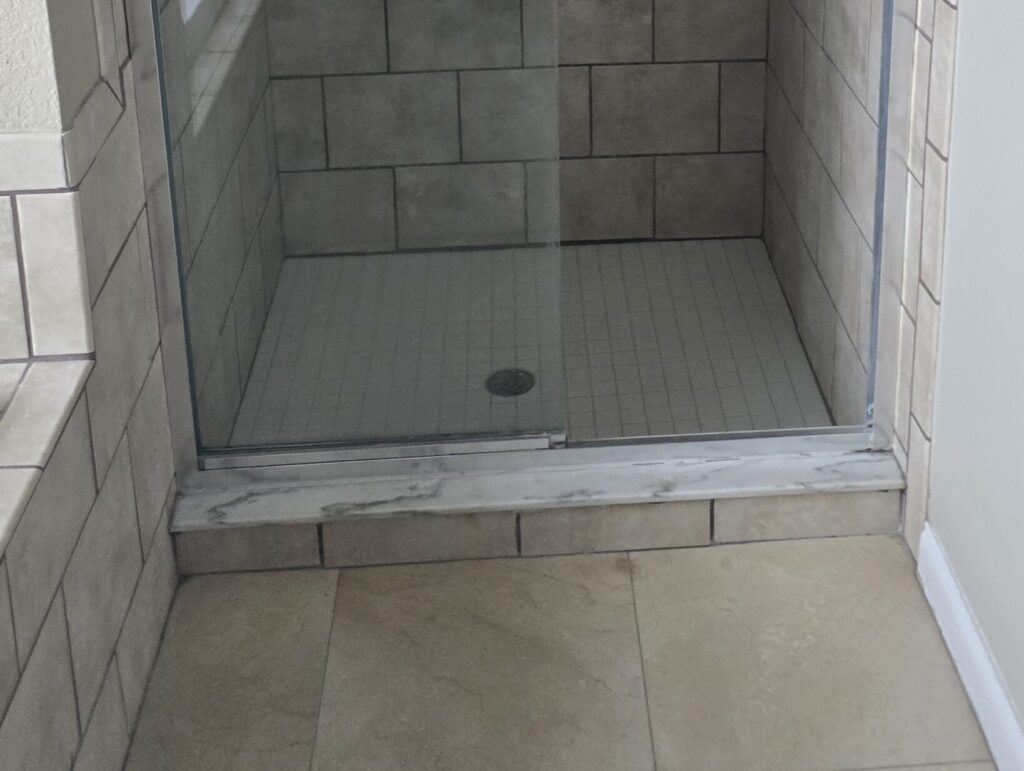
These gurgling sounds are often the very first warning sign of a sewer line failure, appearing long before the actual water starts to back up. The noise is caused by air bubbles being forced through the water trapped in your P-traps as the system attempts to equalize pressure. Ignoring these sounds is a common mistake, as many homeowners assume it is just a quirk of an older house. However, in a properly functioning plumbing system, water should flow silently and smoothly. If your pipes are making noise, it means the physical dynamics of your drainage system have changed, usually due to a growing obstruction or a sagging pipe section.
In some cases, you might even notice that the water level in your toilet bowls fluctuates wildly. If the water level drops significantly or if it seems to pulsate, it is a sign that the vacuum created by a downstream blockage is literally sucking the water out of your traps. This is dangerous because the water in those traps is what prevents sewer gases from entering your home. If you hear gurgling and begin to smell the distinct odor of rotten eggs or sewer gas, your plumbing system has reached a critical point of failure. These symptoms are your home’s way of telling you that a total backup is imminent and that the main line needs professional diagnostic testing immediately.
The Impact of Tree Roots on Underground Infrastructure
For many residents in Broken Arrow, the beauty of mature landscaping comes with a hidden cost for the plumbing system. Tree roots are one of the leading causes of major sewer line failures in Oklahoma. Roots are naturally attracted to the moisture, warmth, and nutrients found inside sewer pipes. Even a microscopic crack or a slightly loose joint in an underground pipe is enough to let a tiny hair-like root inside. Once the root has gained access to the nutrient-rich interior of the pipe, it can grow with astonishing speed, eventually forming a dense mass that acts like a structural filter, catching every bit of toilet paper and debris that passes by.
As the root mass grows, it not only creates a physical blockage but also exerts immense pressure on the pipe itself. This can lead to the pipe cracking further or even completely shattering. In many cases, the first sign of root intrusion is a slow-moving drain that seems to get worse over several weeks. Because roots are a living, growing obstruction, the problem will never resolve itself and will only become more severe over time. Traditional drain cleaning methods like snaking may provide temporary relief by punching a small hole through the roots, but the roots will quickly grow back even stronger if the underlying pipe breach is not addressed.
If you have large trees near the path of your sewer line, it is essential to have periodic camera inspections to monitor the condition of your pipes. Professional plumbers can identify root intrusion in its early stages before it leads to a total system collapse. Modern solutions, such as hydro-jetting and trenchless pipe lining, allow us to clear the roots and seal the pipe without having to dig up your entire lawn. Being proactive about root management is one of the best ways to avoid the trauma of a sudden, catastrophic sewage backup during a holiday or family gathering.
Identifying Structural Pipe Failures and Collapses
Not all backups are caused by things inside the pipe; sometimes, the pipe itself is the problem. Over time, the materials used for residential sewer lines can fail due to age, environmental stress, or shifting soil. In Broken Arrow, our heavy clay soil can expand and contract with the seasons, putting significant strain on underground infrastructure. This movement can cause pipes to “belly” or sag, creating a low spot where water and debris pool. These bellies lead to frequent backups because the system no longer has the consistent downward slope needed for gravity to pull wastewater away from the home.
Want to know how long water heaters last in Oklahoma? Click here for more information.
In more severe cases, a pipe can actually collapse or break entirely. This is common in older homes that still utilize Orangeburg, cast iron, or clay pipes. These materials are prone to becoming brittle or corroding from the inside out. When a section of pipe collapses, it creates a total blockage that no amount of plunging or snaking can resolve. If your plumber finds that their equipment is hitting a hard stop or coming back covered in mud, it is a definitive sign that the pipe has failed structurally and that the surrounding earth is now entering the line.
Identifying a collapsed pipe requires the use of specialized sewer cameras that provide a real-time view of the pipe’s interior. This technology allows us to see exactly where the failure has occurred and what type of repair is needed. A structural failure is a major plumbing issue that often requires excavating a portion of the line or utilizing trenchless technology to install a new pipe within the old one. While this can be a significant project, addressing it promptly is the only way to restore the safety and functionality of your home’s waste management system.
The Consequences of Ignoring Secondary Warning Signs
A plumbing backup is rarely an isolated event; it is usually accompanied by a series of secondary warning signs that many homeowners overlook. One of the most common is a sudden increase in your water bill. While a sewer line failure doesn’t always involve a water supply leak, the two systems are often located near each other. If a shifting foundation or aggressive roots have damaged your sewer line, there is a high probability that your main water service line has also been impacted. Additionally, if you find yourself flushing multiple times to clear a single bowl, you are wasting hundreds of gallons of water every month in a futile attempt to overcome a systemic drainage issue.
Another secondary sign to watch for is the presence of pests. Cockroaches, sewer rats, and drain flies are all attracted to the environment created by a leaking or backed-up sewer line. If you have a breach in your underground pipes, these pests can use it as a highway into your home. A sudden infestation that seems centered around your bathrooms or laundry room is often a signal that there is a physical opening in your plumbing that is allowing unwanted visitors to bypass your home’s exterior defenses. Treating the pests without fixing the plumbing is only a temporary solution, as the breach will continue to draw them in.
Finally, you should pay close attention to the health of your lawn. A leaking sewer line acts as a constant source of fertilization for the soil above it. If you notice a patch of grass that is greener and grows faster than the rest of the yard, or if you see a sunken, soggy area during dry weather, you are likely looking at the site of a sewer leak. These leaks can quietly erode the soil beneath your driveway or foundation, leading to expensive structural damage long before the water ever backs up into your sink. By connecting these dots, you can identify a major plumbing issue while it is still a manageable outdoor repair rather than an indoor disaster.
Professional Diagnostic Solutions for Complex Backups
When you are faced with a backup that signals a bigger plumbing issue, the days of guesswork are over. Professional plumbers today use a variety of high-tech tools to diagnose exactly what is happening inside your walls and under your yard. The most important of these is the sewer camera inspection. By feeding a high-definition, waterproof camera through your cleanout, we can visually inspect the entire length of your sewer line. This allows us to show you exactly where the roots are entering, where the pipe has sagged, or where a collapse has occurred. This transparency ensures that you aren’t paying for repairs you don’t actually need.
In addition to cameras, we utilize specialized locating equipment that allows us to pinpoint the exact depth and location of a problem from the surface. This means that if a repair is required, we can minimize the impact on your landscaping by only digging where it is absolutely necessary. We also offer hydro-jetting, which uses high-pressure water to scour the inside of your pipes, removing years of scale, grease, and roots. This is far more effective than traditional cabling and can often restore an old pipe to nearly its original capacity, potentially delaying the need for a full replacement.
Sargents Plumbing & Drain has been a trusted partner for Broken Arrow homeowners for over 25 years. We understand that a major plumbing issue is a significant stressor for any family, which is why we focus on providing honest assessments and long-term solutions. We offer free estimates and 24/7 emergency services, ensuring that you never have to face a catastrophic backup alone. Whether you are dealing with a recurring clog or a total system failure, our team has the experience and the technology to get your home back to normal with as little disruption as possible.
A drain backup is your plumbing system’s way of asking for help. While it is easy to dismiss a slow sink or a gurgling toilet as a minor quirk of homeownership, these symptoms are often the early warning signs of much larger issues that can threaten the safety and value of your property. By understanding how localized clogs differ from systemic failures, and by paying attention to the sounds, smells, and environmental changes around your home, you can take a proactive stance against plumbing emergencies.
Living in Broken Arrow means being part of a vibrant community where we take pride in our homes. Protecting that investment requires a watchful eye on the infrastructure we don’t often see. When the signs of a bigger plumbing issue emerge, remember that you don’t have to handle it on your own. Professional diagnostic tools and expert advice are just a phone call away, providing you with the peace of mind that your home’s plumbing is in good hands.
Maintaining your sewer line and addressing backups promptly is an essential part of responsible homeownership. It ensures that your family stays healthy, your property remains dry, and your plumbing continues to function reliably for years to come. Don’t wait for a total system collapse to take action; listen to what your drains are telling you today and invest in the long-term health of your home.