When to Replace Galvanized Plumbing Pipes
The infrastructure of an older home carries with it a sense of history and craftsmanship that is often missing from modern construction. However, that same history can sometimes hide aging components that are no longer capable of meeting the demands of a 21st-century household. One of the most common issues faced by homeowners in the older neighborhoods of Broken Arrow is the presence of galvanized steel plumbing pipes. These pipes were the industry standard for residential construction from the early 1900s through the 1960s because of their strength and durability. While they served their purpose faithfully for many decades, galvanized pipes have a definitive lifespan, and for many homes in the Tulsa metro area, that lifespan has already been exceeded.
Understanding the unique characteristics and inevitable failure points of galvanized steel is essential for any homeowner living in a vintage property. These pipes are essentially iron pipes that have been dipped in a protective zinc coating to prevent rusting and corrosion. At the time of installation, this coating provides a robust defense against the elements, but over fifty to seventy years of constant exposure to water, the zinc eventually erodes. Once that protective layer is gone, the raw iron underneath begins to react with the water and oxygen, leading to internal corrosion that can compromise your water quality, your water pressure, and the structural integrity of your home. Recognizing the signs that your pipes are reaching the end of their functional life can save you from the stress and expense of a sudden, catastrophic plumbing failure.
The internal plumbing of your home is much like the circulatory system of a human body. When the “arteries” become narrowed and brittle, the entire system begins to suffer. For residents in Broken Arrow, Oklahoma, the local water chemistry and soil conditions can influence the rate at which this corrosion occurs. Because the damage happens on the inside of the pipes, it often remains hidden from view until it manifests as a visible leak or a significant drop in performance. By learning the early warning signs of galvanized pipe failure, you can make an informed decision about when to invest in a repipe, ensuring that your home remains safe, efficient, and comfortable for years to come.
The Science of Galvanized Pipe Corrosion
To understand why galvanized pipes eventually fail, one must look at the chemical process of oxidation. When the zinc coating on the interior of the pipe begins to wear away, the iron is exposed to the water flowing through it. This creates iron oxide, more commonly known as rust. Unlike some materials that simply thin out as they corrode, iron pipes actually grow inward as they rust. The rust occupies more space than the original metal, creating a bumpy, irregular surface inside the pipe that acts as a magnet for mineral deposits and sediment. This process is often referred to as tuberculation, and it gradually reduces the interior diameter of the pipe until only a fraction of the original space remains for water to pass through.
This internal buildup creates a double-edged sword for the homeowner. First, it significantly restricts the volume of water that can reach your fixtures, leading to the low water pressure that many owners of older homes complain about. Second, the rust and mineral scale become brittle over time. A sudden surge in pressure or a minor vibration can cause chunks of this material to break loose and travel through the system, where they can clog faucet aerators, damage shower valves, and wreak havoc on expensive appliances like dishwashers and washing machines. This internal decay is a one-way street; once a pipe has begun to corrode and scale in this manner, there is no chemical treatment or cleaning process that can safely restore its original capacity.
Furthermore, galvanized pipes often corrode most aggressively at the threaded joints. When a plumber cuts threads into a galvanized pipe to connect it to a fitting, the protective zinc coating is removed, leaving the raw metal exposed from day one. Over several decades, these joints become the weakest points in the entire system. It is very common for a galvanized pipe to look perfectly fine on the outside while the threads are almost completely rusted away. This is why many homeowners experience sudden leaks at joints that appeared to be in good condition. The structural integrity of the connection simply vanishes, leading to a break that can cause significant water damage in a very short amount of time.
Visible Indicators of Aging Pipes
While much of the damage to galvanized pipes happens internally, there are several visual cues that a homeowner can look for to assess the health of their plumbing. One of the most immediate signs is the appearance of your water, especially after a period of non-use. If you turn on the faucet first thing in the morning and notice a brownish or reddish tint to the water for a few seconds, you are looking at liquid rust. This occurs because water has sat in the corroding pipes overnight, absorbing the iron oxide that has accumulated on the interior walls. While this may clear up after the water runs for a bit, the underlying problem is constant and will only worsen as the corrosion progresses.
Need repiping done for your home? Click here for our repiping service.
Another visual warning sign is the presence of small, pimple-like bumps on the exterior of the pipes, particularly near the joints. These are often referred to as calcium or rust “blooms.” They occur when a tiny pinhole leak forms in the pipe, and the minerals in the water evaporate at the site of the leak, leaving behind a crusty deposit. These blooms are essentially a slow-motion leak; the pipe is currently failing, but the mineral buildup is temporarily plugging the hole. If you see these deposits on your visible plumbing in a basement or crawlspace, it is a definitive sign that the pipes are structurally compromised and could fail completely at any moment.
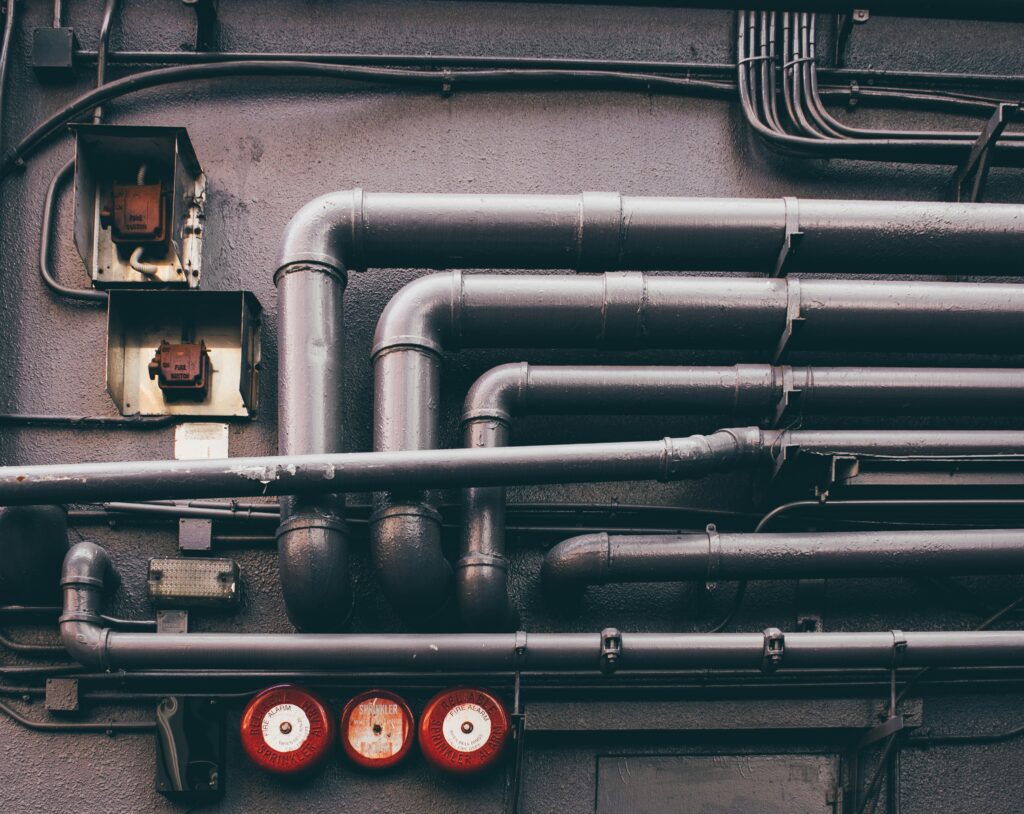
You should also take a close look at any exposed pipe sections for signs of unevenness or discoloration. Healthy galvanized steel should have a relatively uniform, dull gray appearance. If you see sections that are dark orange, black, or have a flaky texture, the metal is actively oxidizing. In some cases, you might even notice that the pipe appears to be “sweating” more than usual. While condensation is normal in humid Oklahoma summers, persistent moisture on a pipe during cool weather can be an indication of microscopic leaks that are saturating the metal. These visual symptoms are the pipe’s way of telling you that its protective barriers have failed and that the structural iron is being consumed by rust.
The Impact on Water Pressure and Quality
Low water pressure is perhaps the most frequent complaint from homeowners with galvanized plumbing. Because the internal diameter of the pipe is constantly shrinking due to rust buildup, the system cannot deliver the volume of water required for modern living. You might notice that the pressure is acceptable when only one faucet is running, but it drops to a trickle if someone else flushes a toilet or starts the laundry. This is because the narrowed pipes simply cannot carry enough “gallons per minute” to satisfy multiple outlets. For residents in Broken Arrow, this can make daily routines like showering or doing dishes a frustrating and time-consuming chore.
Beyond the annoyance of low pressure, the quality of your water is significantly impacted by aging galvanized pipes. The rust that flakes off the interior walls of the pipes ends up in your drinking water, your bathwater, and your cooking pots. While iron in small quantities is not necessarily a health hazard, it can lead to an unpleasant metallic taste and can stain your laundry, sinks, and tubs. More concerningly, many older galvanized pipes were manufactured with a zinc coating that contained small amounts of lead. As the zinc corrodes away, that lead can be released into the water supply. While the risk varies depending on the age and manufacturer of the pipe, it is a factor that many families choose not to ignore, especially those with young children.
Additionally, the restricted flow caused by galvanized pipes can have a negative impact on the lifespan of your water heater. When the intake pipes are narrowed, the water heater has to work harder to maintain pressure, and the sediment from the pipes often settles in the bottom of the tank. This sediment creates an insulating layer between the burner and the water, causing the tank to overheat and eventually crack or leak. If you find that you are replacing water heaters every few years, the root cause might not be the appliance itself, but rather the aging galvanized pipes that are feeding it. Upgrading your plumbing is often the only way to ensure that your new appliances perform as intended and reach their full expected lifespan.
Identifying Mixed Metal Issues and Electrolysis
In many older Broken Arrow homes, plumbing repairs have been made over the years using different materials, such as copper or PEX. While these repairs might have solved an immediate leak, they often introduce a new problem known as galvanic corrosion or electrolysis. When two dissimilar metals, like copper and galvanized steel, are directly connected, a chemical reaction occurs that significantly accelerates the corrosion of the steel. The copper acts as a cathode and the steel acts as an anode, causing the steel to rust at an exponentially faster rate than it would on its own.
This type of corrosion is most aggressive at the point where the two metals meet. If a previous owner or an inexperienced handyman connected a copper pipe directly to a galvanized pipe without using a dielectric union, that joint is a ticking time bomb. A dielectric union is a special fitting designed to keep the two metals from touching, using a rubber or plastic spacer to break the electrical circuit. Without this protection, the galvanized pipe will often rust through completely at the connection point within just a few years. If you look at your plumbing and see various types of metal pipes joined together, it is a strong indicator that the system has been patched rather than properly maintained.
The presence of mixed metals also makes it difficult to diagnose the overall health of the system. A section of copper might look brand new, but it could be hiding a severely corroded galvanized section just behind the wall. For homeowners in the Tulsa area, identifying these “frankenstein” plumbing systems is a key part of the inspection process. If your home has a history of piecemeal repairs, it is usually more cost-effective and safer to perform a full repipe rather than continuing to patch a system that is fundamentally incompatible with itself. A professional plumber can use specialized tools to identify these hidden connections and help you plan a comprehensive solution.
When the Risk of Water Damage Becomes Too High
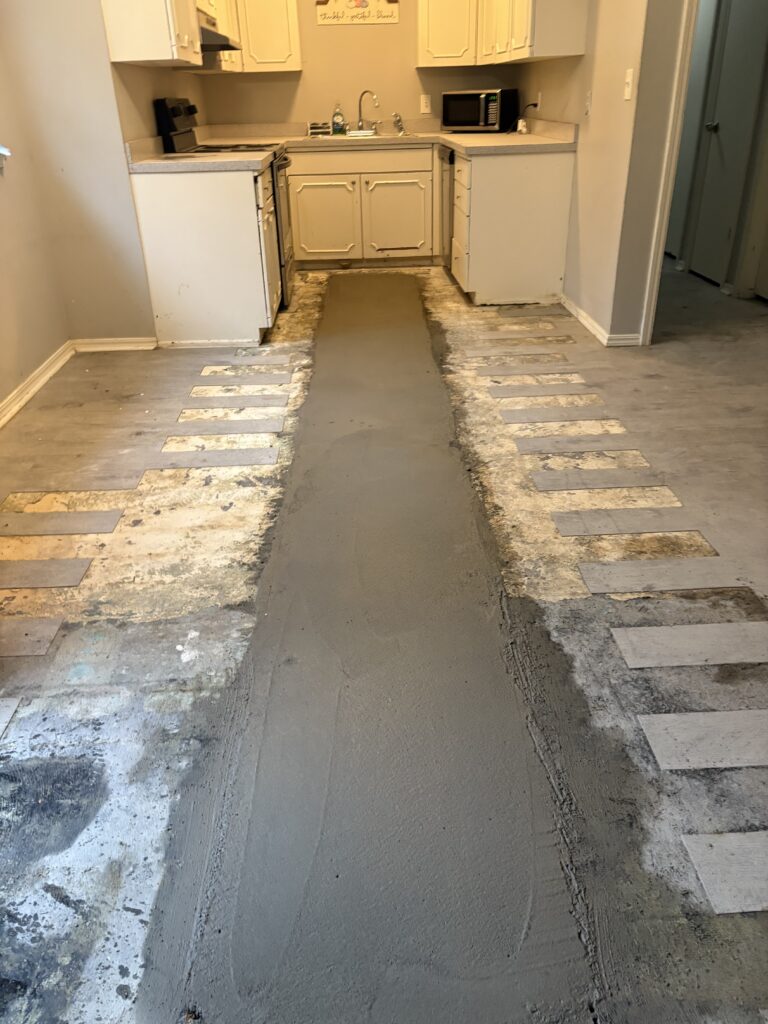
Every plumbing system carries some risk of leaks, but as galvanized pipes age, that risk becomes a statistical certainty. The most dangerous aspect of these pipes is that they often fail in places that are not easily visible, such as inside walls, under floors, or in crawlspaces. A pinhole leak in a galvanized pipe can spray a fine mist of water for weeks or even months before it is discovered. During that time, the moisture can lead to wood rot, the growth of toxic mold, and significant damage to drywall and flooring. In many cases, the cost of remediating the water damage and mold far exceeds the cost of the plumbing repair itself.
If you are experiencing frequent minor leaks, it is a clear signal that the entire system is at the end of its life. Patching one leak in a galvanized pipe often puts additional stress on the next weakest point, leading to a “domino effect” of failures. Homeowners who try to save money by only repairing the leaks as they occur often find themselves in a cycle of constant repair bills and property damage. Furthermore, many insurance companies are becoming increasingly hesitant to provide coverage for homes with aging galvanized plumbing, or they may charge significantly higher premiums. They recognize the high probability of a major water loss claim associated with these materials.
For residents in Broken Arrow, Oklahoma, the peace of mind that comes with a modern plumbing system is invaluable. Replacing your galvanized pipes with PEX or copper eliminates the constant worry of a sudden burst pipe while you are at work or away on vacation. Modern materials are designed to be flexible, resistant to corrosion, and much more durable in the face of shifting soil and temperature changes. When you weigh the potential cost of a catastrophic flood against the investment of a repipe, the decision to replace aging galvanized lines becomes a matter of proactive home protection rather than just a simple repair.
The Process of Professional Repiping
Replacing the entire plumbing system of a home may sound like a daunting and invasive project, but modern techniques have made the process much more efficient and less disruptive than in years past. When you work with a professional team like Sargents Plumbing & Drain, the project begins with a comprehensive assessment of your home’s layout and needs. We identify the most efficient routes for the new lines and determine which materials, such as high-quality PEX or copper, are best suited for your specific situation. Our goal is to minimize the number of openings needed in your walls and to ensure that your water service is restored as quickly as possible.
Want to know which kind of water heater is best? Click here for more information.
In most cases, a professional repipe can be completed in just a few days. We take great care to protect your home’s interior, using drop cloths and protective barriers to keep your living space clean. Because modern PEX piping is flexible, it can often be “fished” through existing wall cavities, much like electrical wiring, which significantly reduces the amount of drywall repair needed after the project is finished. Once the new lines are in place, we perform a series of pressure tests to ensure every connection is perfect before we finalize the project. This rigorous quality control is what allows us to stand behind our work and provide homeowners with long-term confidence in their new system.
A professional repipe also includes the replacement of all shut-off valves and supply lines, ensuring that every component of your water delivery system is brand new. This is also the perfect time to upgrade your fixtures or install a whole-home water filtration system. By the time the project is complete, you will notice an immediate and dramatic improvement in your water pressure and clarity. Your appliances will run more efficiently, your water will taste better, and you will have added significant value and safety to your Broken Arrow home. It is an investment that pays dividends in both daily comfort and long-term property preservation.
Deciding when to replace your galvanized plumbing pipes is one of the most important maintenance decisions an owner of an older home will face. While these pipes were once the gold standard of the industry, time and chemistry eventually win the battle against iron and zinc. By staying alert to the warning signs—such as discolored water, declining pressure, and the presence of external rust blooms—you can take action before a major failure occurs. Maintaining your home’s plumbing infrastructure is not just about fixing leaks; it is about ensuring the health, safety, and efficiency of the environment where your family lives and grows.
The Tulsa and Broken Arrow areas are home to many beautiful historic properties that deserve to be preserved for future generations. Upgrading the plumbing is a vital part of that preservation effort. When you replace aging galvanized steel with modern, corrosion-resistant materials, you are removing a hidden threat and replacing it with a reliable system that will serve the home for another half-century or more. It is a proactive step that protects your foundation, your walls, and your peace of mind.
If you suspect that your home is still relying on original galvanized lines, now is the time to seek a professional evaluation. Knowledge is power, and understanding the true condition of your pipes allows you to plan for the future on your own terms rather than reacting to a middle-of-the-night emergency. With the help of an experienced plumbing partner, you can navigate the repiping process with confidence, knowing that your home’s “circulatory system” is being restored to peak health.