Signs Your Gas Line May Need Repair
Summer is peak season for outdoor grilling, backyard cookouts, and gas fired pool heaters in Broken Arrow and the greater Tulsa area. All of that extra demand puts stress on the gas lines running to and through your home. A damaged gas line is not a problem you can put off; it threatens your safety, your health, and your property. Natural gas leaks cause fires, explosions, and carbon monoxide exposure every year in Oklahoma homes. The good news is that gas lines almost always give warning signs before a small issue becomes a dangerous one. Homeowners who know what to look for can catch problems early and call for gas line repair before disaster strikes. This guide covers the most common signs your gas line may need repair, what causes gas line damage, and why professional service matters. If you suspect a leak right now, leave your home immediately and call your gas company, then call Sargents Plumbing & Drain at (918) 380-5637.
Common Signs Your Gas Line Needs Repair
Gas line problems show up in ways you can smell, hear, and see. Utility companies add a chemical called mercaptan to natural gas so leaks produce a strong rotten egg odor. Your senses are your first line of defense, but they are not the only one. Higher gas bills, dying vegetation, and poorly performing appliances all point to trouble in the line. No single sign confirms a leak on its own; several signs together demand immediate attention. Knowing these warning signals helps you act fast and protect your family. Suspect a problem already? Click here for our gas line repair service.
The Rotten Egg Smell That Signals Gas Line Repair
The most recognizable sign of a gas leak is the smell of rotten eggs or sulfur inside or around your home. Natural gas is odorless in its raw state, so utility providers add mercaptan specifically to make leaks detectable by smell. If you notice this odor near your stove, water heater, furnace, or outdoor gas meter, treat it as an emergency. A faint smell that comes and goes can indicate a small leak at a fitting or connection point. A strong, persistent odor suggests a larger break in the line that needs immediate gas line repair. Do not flip light switches, use your phone indoors, or start your car in an attached garage if the smell is strong. Get everyone out of the house first, then call for help from a safe distance. A licensed plumber can pinpoint the leak, repair the damaged section, and pressure test the entire system.
Some leaks are too small to produce a noticeable odor throughout the house. These slow leaks often hide behind walls, under slabs, or along buried lines in the yard. You might only catch the smell in one specific spot, like a closet near the water heater or a corner of the basement. Pay attention to any area where the odor seems stronger, because that location helps a technician find the source faster. Slow leaks waste gas, inflate your utility bill, and can grow into serious hazards over time. They also allow gas to accumulate in enclosed spaces, which raises the risk of ignition. Never assume a faint smell is harmless just because it is not overwhelming. Professional leak detection equipment can find leaks your nose cannot.
Outdoor gas smells deserve the same urgency as indoor ones. Buried gas lines corrode, shift, and crack, especially in Oklahoma clay soil that expands and contracts with the seasons. If you smell gas near your meter, along the path of a buried line, or around an outdoor grill connection, keep ignition sources away from the area. Summer grilling season is when many homeowners first notice outdoor gas line issues, since they are spending more time in the yard. A leaking exterior line still feeds gas toward your home and can migrate into crawl spaces and foundations. Sargents Plumbing & Drain repairs both interior and exterior gas lines throughout Broken Arrow, Tulsa, Bixby, Jenks, and surrounding communities. Our technicians locate the leak, excavate or access the line, and restore safe service. Fast action protects your home and your neighbors.
Hissing Sounds That Mean You Need Gas Line Repair
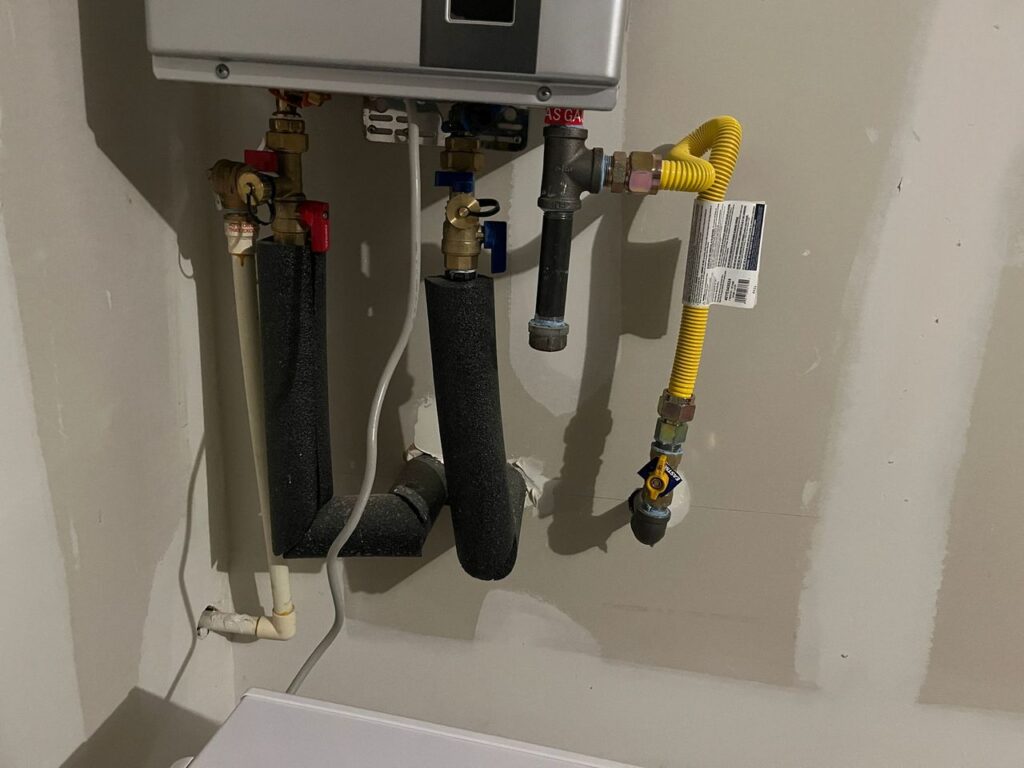
A hissing or whistling sound near a gas appliance or pipe is a serious warning sign. That noise is pressurized gas escaping through a crack, hole, or loose fitting. The louder the hiss, the larger the leak and the more urgent the repair. You might hear it near your water heater, behind your stove, at the meter, or along exposed piping in a basement or utility room. Some homeowners dismiss the sound as a normal appliance noise, which is a dangerous mistake. Gas appliances should operate quietly at their connections; any sustained hissing at a pipe or valve is abnormal. Turn off the gas supply at the appliance shutoff valve if you can do so safely. Then call a licensed plumber for professional gas line repair before using the appliance again.
Hissing outdoors can be harder to notice but is just as dangerous. Wind, traffic, and yard equipment mask the sound of escaping gas. Walk your property occasionally and listen near the meter and along any known gas line paths. A hissing sound paired with a gas odor confirms an active leak that needs emergency attention. Underground leaks sometimes produce a bubbling sound if the ground is wet after summer thunderstorms. You may also see dirt or dust blowing up from the ground near a buried line, which indicates escaping gas pressure. These outdoor signs often appear before any smell reaches your living space. Catching them early prevents gas from migrating toward your foundation.
Never attempt to fix a hissing gas line yourself with tape, sealant, or replacement fittings. Gas line work requires proper materials, correct pressure ratings, and code compliant installation. A poorly executed repair can hold temporarily and then fail without warning. Licensed plumbers use approved black iron pipe, CSST, or polyethylene depending on the application, and they pressure test every repair. Sargents Plumbing & Drain is licensed and insured for gas work, and we back our repairs with honest workmanship. We charge no additional fees for emergency or weekend calls, so a Saturday night hiss gets the same fair price as a Tuesday morning appointment. Our team responds 24/7 across the Tulsa metro. Your safety is worth a professional repair done right the first time.
Dead Grass and Rising Bills Point to Gas Line Repair
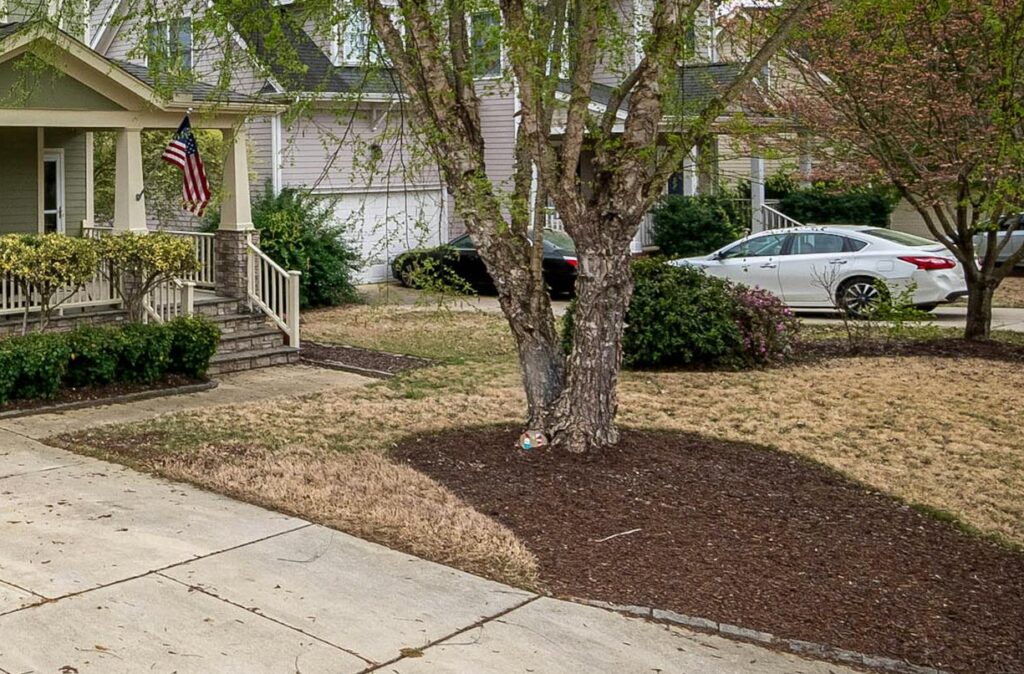
Your yard can reveal a buried gas line leak before you ever smell it. Natural gas displaces oxygen in the soil, which suffocates plant roots. A patch of dead or dying grass in an otherwise healthy lawn is a classic sign of an underground leak. Look for brown or yellow strips that follow the path of the gas line from the meter to the house. Shrubs and small trees near the line may also wilt or die for no obvious reason. Summer heat kills grass too, so compare the suspicious patch to the rest of your lawn; a leak creates a defined dead zone while drought stress affects the whole yard. Bubbling in puddles or standing water after rain is another giveaway. If your landscaping shows these patterns, schedule a gas line inspection right away.
Your utility bill tells a similar story in numbers. A gas leak means you are paying for fuel that never reaches your appliances. If your gas bill climbs without a change in usage, a hidden leak may be the cause. Summer is actually the best season to spot this, because gas usage should be low with the furnace off. A high summer gas bill with only a water heater and stove running is a red flag. Compare your current bill to the same month last year for an accurate baseline. Even a modest unexplained increase justifies a professional inspection. Small leaks grow, and the money you lose each month could fund the repair instead.
Appliance performance problems round out the visible signs. A gas stove should burn with a steady blue flame; orange or yellow flames indicate incomplete combustion or a supply problem. Water heaters that struggle to keep up, pilot lights that keep going out, and furnaces that short cycle can all trace back to inconsistent gas pressure from a damaged line. Soot or scorch marks around appliance connections signal combustion issues that need immediate attention. Physical symptoms in your household matter too; headaches, dizziness, nausea, and fatigue that improve when you leave the house can indicate gas or carbon monoxide exposure. Install carbon monoxide detectors on every level of your home and test them monthly. If detectors alarm or symptoms appear, get out and call for emergency help. Then let a licensed plumber find and fix the source.
What Causes Gas Line Damage in Oklahoma Homes
Understanding what damages gas lines helps you prevent problems before they start. Oklahoma homes face a specific set of threats, from expansive clay soil to aging pipe materials. Corrosion, ground movement, tree roots, and physical damage account for most gas line failures in the Tulsa area. Older homes in Broken Arrow, Sand Springs, and Sapulpa often have original steel gas piping that has been underground for decades. Even newer lines fail when they were installed poorly or damaged during landscaping and construction projects. Knowing your risk factors tells you when to schedule an inspection instead of waiting for a leak. Thinking about upgrading old piping or adding a new line for a grill or pool heater? Click here for our gas line installation service.
Corrosion Is a Leading Cause of Gas Line Damage
Corrosion is the slow enemy of every metal gas line. Buried steel pipe reacts with moisture, soil chemicals, and stray electrical currents in the ground. Over years, this reaction eats through the pipe wall until pinhole leaks form. Oklahoma soil holds moisture against pipes during wet springs, then bakes and cracks in summer heat, which stresses protective coatings. Once a coating fails, rust spreads quickly along the exposed metal. Homes built before the 1980s are especially vulnerable because many used bare or poorly coated steel pipe. Galvanized pipe sheds flakes internally as it corrodes, which can clog appliance valves and regulators. Corroded lines rarely fail all at once; they weep small amounts of gas long before a major rupture.
Indoor gas lines corrode too, just more slowly. Humid utility rooms, damp crawl spaces, and leaky roofs expose interior piping to moisture. Look for rust, flaking, or discoloration on any exposed gas pipe in your basement, attic, or garage. Fittings and joints corrode first because threading cuts through the pipe’s protective surface. A rusty fitting may still hold pressure today and fail next month. Corrosion around your gas meter connection is also common and worth checking during your seasonal home maintenance walk. Any pipe that looks compromised deserves a professional evaluation. Replacing a corroded section is far cheaper than repairing fire damage.
Professional plumbers assess corrosion with visual inspection, pressure testing, and leak detection instruments. When corrosion is isolated, a section repair solves the problem. When it is widespread, replacing the line with modern materials is the safer long haul choice. Polyethylene pipe resists soil corrosion entirely and has become the standard for buried residential gas lines. CSST and coated black iron handle interior runs with excellent durability. Sargents Plumbing & Drain installs and repairs all approved gas piping materials to current code. We are locally owned and built on honesty, so we will tell you plainly when a repair is enough and when replacement makes sense. You get a straight answer, not an upsell.
Shifting Soil and Tree Roots Cause Gas Line Damage
Oklahoma sits on expansive clay soil that swells when wet and shrinks when dry. Summer drought followed by heavy thunderstorms creates constant ground movement around buried utilities. This movement bends, stresses, and eventually cracks rigid gas piping. Joints and fittings take the worst of it because they are the least flexible points in the system. A line that was perfectly straight at installation can develop stress fractures after years of seasonal soil cycles. Homes with foundation movement often have gas line problems too, since the same soil forces act on both. Lines that pass under driveways or patios face added pressure from the weight above. If your area has experienced foundation repairs or noticeable ground settling, your gas line deserves a look.
Tree roots do not break into gas lines the way they invade sewer pipes, but they still cause damage. Large roots grow around and against buried pipes, applying steady pressure over years. As trees sway in Oklahoma wind storms, that root movement transfers stress directly to the pipe. Roots also shift soil as they expand, which displaces the line from its original bedding. Mature trees planted near the gas line path are a known risk factor. Construction and landscaping work compounds the problem when crews dig near utilities without proper line locating. A shovel strike or trencher hit can nick a line and create a slow leak that goes unnoticed for months. Always call 811 before digging anywhere on your property.
Earthquakes add another layer of risk for Oklahoma homeowners. The state has experienced significant seismic activity over the past decade, and even minor tremors stress rigid gas connections. Flexible connectors at appliances and modern flexible piping absorb this movement far better than old rigid installations. After any noticeable earthquake, walk your home and check for gas odors near appliances and the meter. Ground movement damage often hides underground where you cannot see it, which makes professional leak detection valuable after seismic events. Sargents Plumbing & Drain uses electronic detection equipment to find underground leaks without tearing up your entire yard. We serve Broken Arrow, Tulsa, Owasso, Claremore, and communities across the metro. One inspection buys real peace of mind.
Aging Pipes and Poor Installation Lead to Gas Line Damage
Every gas line has a service life, and many Tulsa area homes are running on borrowed time. Steel gas lines typically last 50 to 75 years under good conditions, but harsh soil and moisture shorten that span considerably. Homes built in the 1950s through 1970s across Tulsa, Sand Springs, and Sapulpa often still have their original piping. Old lines fail gradually through corrosion, joint fatigue, and worn shutoff valves. Original valves may not even close fully anymore, which turns a small appliance leak into a whole house problem. If you do not know the age of your gas piping, assume it matches the age of your home. An inspection establishes a baseline and identifies weak points before they leak. Proactive replacement of aging lines is one of the smartest safety investments a homeowner can make.
Poor installation causes failures in lines of any age. Undersized pipe starves appliances of fuel and causes pressure problems throughout the system. Improper fittings, missing sediment traps, unsupported pipe runs, and shallow burial depths all violate code and create hazards. Some homeowners and unlicensed handymen add gas lines for grills, fire pits, and pool heaters without permits or pressure testing. These amateur connections are a leading source of outdoor gas leaks in the summer months. A line that has never been pressure tested has never been proven safe. Flexible appliance connectors also wear out and should be replaced when appliances are moved or updated. Every gas connection in your home should meet current code, full stop.
The fix for aging and poorly installed lines is professional evaluation and correction. A licensed plumber inspects the full system, tests pressure, and documents any deficiencies. Repairs target failed sections; full replacement addresses systemic problems with modern materials. New installations for outdoor kitchens, generators, and pool heaters should always be sized, permitted, and tested by a licensed professional. Sargents Plumbing & Drain handles gas line repair, replacement, and new installation across the Tulsa metro with long term reliability in mind. We are licensed and insured, and financing is available for larger replacement projects. Honest work and code compliant installation protect your family for decades. That is the standard we hold on every job.
Why You Need Professional Gas Line Repair in Broken Arrow
Gas line repair is not a job for guesswork or online tutorials. Natural gas is flammable, invisible, and unforgiving of mistakes. Professional repair protects your home, satisfies your insurance requirements, and complies with Oklahoma code. A licensed plumber brings the right materials, the right testing equipment, and the experience to spot problems you would miss. Fast professional response also limits how long your household goes without hot water, cooking, or heat. When the signs point to gas line trouble, the safest move is one phone call to a licensed local plumber.
Professional Gas Line Repair Keeps Your Family Safe
Safety is the first and best reason to hire a professional for gas line repair. Escaping natural gas can ignite from a single spark, a pilot light, or even static electricity. Gas that accumulates in enclosed spaces creates explosion risk that grows by the hour. Professionals know how to shut down the system safely, ventilate the area, and work without creating ignition hazards. They also carry calibrated detection equipment that finds every leak, not just the obvious one. A repair is only complete when the entire line passes a pressure test.
Carbon monoxide is the quieter danger tied to gas line problems. Damaged lines and starved appliances burn fuel incompletely, which produces this odorless, deadly gas. Professional repair restores proper pressure and combustion so appliances burn clean. Technicians also check venting and flame quality during service, catching hazards beyond the pipe itself. Working detectors plus a properly repaired gas system give your family real protection. Cutting corners with gas simply is not worth the risk.
Insurance and code compliance seal the case for professional work. Oklahoma requires licensed professionals for gas line installation and repair, and permits are required for most gas work. Unpermitted amateur repairs can void your homeowners insurance if a gas related incident occurs. Licensed work is documented, tested, and defensible. Sargents Plumbing & Drain pulls the proper permits and performs every repair to code. You get a safe system and a paper trail that protects your investment.
Fast Gas Line Repair Prevents Bigger Problems
Gas leaks never improve on their own; they only grow. A pinhole leak today becomes a cracked fitting next season as pressure, corrosion, and soil movement continue their work. Early repair means a smaller excavation, less pipe replacement, and a lower bill. Waiting turns a few hundred dollar fix into a full line replacement. Fast action also limits the gas wasted through the leak, which stops the slow drain on your utility bill. The cheapest gas line repair is always the one done early.
Delays also extend the disruption to your daily life. A leaking line often means shutting off gas to the whole house until repairs are complete. That leaves you without hot water, without your stove, and without your gas dryer. Prompt professional response gets the leak found, fixed, and tested quickly so your service is restored. Sargents Plumbing & Drain offers 24/7 emergency service with no additional fees for emergency or weekend calls. A gas problem at 2 a.m. on Sunday gets the same fair pricing as a weekday visit.
Hidden leaks deserve special urgency because they cause damage you cannot see. Gas migrating under a slab can find its way into wall cavities and crawl spaces. Underground leaks kill landscaping and can affect neighboring properties. Professional leak detection pinpoints the exact location so repairs are precise instead of exploratory. Not sure where a suspected leak is coming from? Click here for our leak detection service. One targeted repair beats days of digging and guessing.
Why Choose Sargents Plumbing & Drain for Gas Line Repair
Sargents Plumbing & Drain is locally owned and built on honesty and hard work. We live and work in the same communities we serve, from Broken Arrow and Tulsa to Jenks, Bixby, Owasso, Coweta, and beyond. Our technicians are licensed and insured for gas line repair, replacement, and new installation. We explain the problem in plain language, present your options, and let you decide. There are no surprise charges and no pressure tactics. Just straight answers and quality work.
We built our service policies around fairness. Emergencies and weekends carry no additional fees, because gas leaks do not wait for business hours. We offer 10% discounts for veterans, teachers, seniors, and more. Financing is available for larger projects like full line replacement or new gas installations. Our repipes and fixtures are backed by long term warranties. Every job is measured against one standard: five star service.
When you notice the smell of gas, a hissing line, dead grass over a buried pipe, or a climbing gas bill, do not wait. Call Sargents Plumbing & Drain at (918) 380-5637 for fast, professional gas line repair. We answer 24/7 and respond quickly across the Tulsa metro. You can also reach us at info@sgtplumbing.com or visit us at 605 W Oakland Pl, Broken Arrow, OK 74012. Your family’s safety is our first priority. Trust the local team that treats your home like our own.