Why Your Water Bill Suddenly Went Up This Month
A water bill that jumps without warning is one of the most common complaints plumbers hear from homeowners in Broken Arrow and the greater Tulsa area. Summer is the peak season for these surprises because irrigation systems run daily, pools get topped off, and hidden leaks grow worse in the heat. Most people assume the water company made a billing error, but the truth is usually inside or underneath the home. A running toilet, a slab leak, or a broken sprinkler line can waste thousands of gallons in a single month. That wasted water shows up on your bill long before it shows up as visible damage. The good news is that a sudden spike almost always has a specific cause you can track down. This article explains the most common reasons your water bill went up, how to find the source, and when to bring in a licensed plumber. Catching the problem early protects your wallet, your foundation, and your home.
Common Causes of a Sudden High Water Bill in Summer
Sudden water bill increases fall into a few predictable categories, and summer makes several of them worse. Running toilets are the number one culprit nationwide, wasting up to 200 gallons per day without making much noise. Underground leaks in the service line or under the slab come in a close second, and Oklahoma’s shifting clay soil makes these leaks especially common. Irrigation systems account for a huge share of summer water use, and one cracked sprinkler head can quietly drain hundreds of gallons every cycle. Dripping faucets, leaking water heaters, and faulty appliance connections add smaller amounts that still stack up over a full billing period. Seasonal habits matter too, since houseguests, garden watering, and extra laundry all raise consumption. Before you panic, compare this month’s usage in gallons against the same month last year. If the numbers do not match your habits, keep reading.
A Running Toilet Is the Top Cause of a Sudden High Water Bill
A single running toilet can add 100 dollars or more to a monthly water bill, which makes it the first fixture every plumber checks. The problem usually starts with a worn flapper, the rubber seal at the bottom of the tank that keeps water from draining into the bowl. Flappers degrade over time from chlorine and hard water, and Oklahoma water is hard enough to shorten their lifespan considerably. When the flapper no longer seals, water trickles from the tank into the bowl around the clock. The fill valve then keeps refilling the tank, and the cycle repeats every few minutes all day and all night. You may never hear it if the leak is slow, which is why so many homeowners miss it. A toilet does not need to sound like a waterfall to waste 6,000 gallons a month. That silence is exactly what makes this problem so expensive.
Testing for a running toilet takes about fifteen minutes and costs almost nothing. Remove the tank lid and add ten drops of food coloring to the water in the tank. Do not flush, and wait fifteen to twenty minutes. If colored water appears in the bowl, the flapper is leaking and needs replacement. You should also check the fill valve, because a valve set too high pushes water down the overflow tube constantly. Look inside the tank and confirm the water level sits about one inch below the top of the overflow tube. Repeat this test on every toilet in the house, since older homes often have more than one failing flapper at the same time. A ten dollar part can fix a hundred dollar problem in many cases.
Some toilet problems go beyond a simple flapper swap. Corroded flush valve seats, cracked overflow tubes, and failing fill valves all cause the same symptoms and require more involved repairs. Toilets older than fifteen years often develop mineral buildup that prevents any new flapper from sealing correctly. In those situations, replacing the entire flush assembly or upgrading to a modern high efficiency toilet saves more money long term. A licensed plumber can diagnose the exact failure in minutes and confirm nothing else in the bathroom is leaking. Sargents Plumbing & Drain repairs and replaces toilets throughout Broken Arrow, Tulsa, Bixby, Jenks, and the surrounding communities. Our team backs fixture work with long term warranties, so the fix stays fixed. Do not let a silent toilet drain your budget for another billing cycle.
Hidden Underground Leaks Cause a Sudden High Water Bill
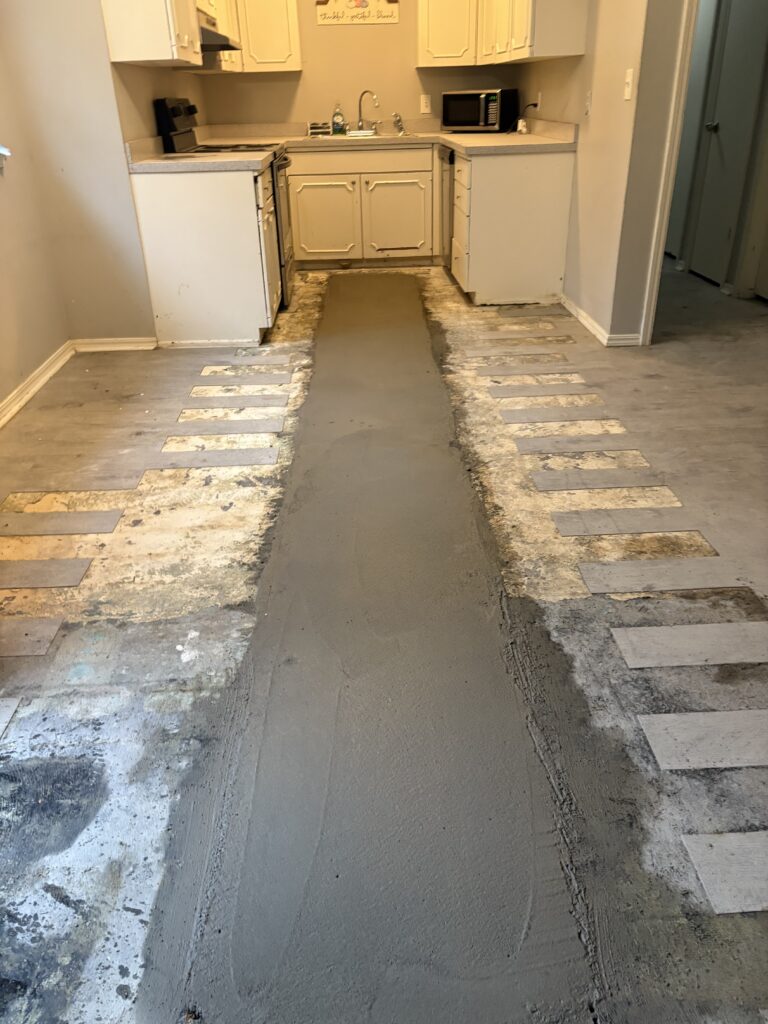
Underground leaks are the most expensive and most destructive cause of a sudden water bill spike. The water service line running from the meter to your house sits buried under your yard, and it can leak for months before anyone notices. Oklahoma’s expansive clay soil swells during wet spring weather and shrinks during hot dry summers, and that constant movement stresses buried pipes until they crack. Older homes with galvanized steel or polybutylene service lines are at even higher risk because those materials corrode and become brittle with age. A leaking service line wastes water 24 hours a day since it sits under constant pressure. Warning signs include soggy patches in the yard, unusually green strips of grass, low water pressure, and the sound of running water when everything is off. Many homeowners discover these leaks only after the bill doubles. By that point, thousands of gallons have already soaked into the ground.
Slab leaks are the indoor version of the same problem, and they threaten more than your water bill. Homes across the Tulsa metro are built on concrete slab foundations with water lines running underneath or through the concrete. When one of those lines fails, water saturates the soil beneath the foundation and can cause the slab to shift, crack, or heave. Signs of a slab leak include warm spots on the floor, damp carpet, the sound of water running under the house, and a water heater that runs constantly. Foundation repairs from an untreated slab leak can cost tens of thousands of dollars. The water bill increase is often the very first clue, arriving weeks before any visible damage. Treat a spike seriously if it comes with any of these symptoms. Fast action here saves real money.
Locating an underground leak requires professional equipment because guessing means digging up your yard or jackhammering your floor. Modern leak detection uses acoustic listening devices, thermal imaging cameras, and pressure testing to pinpoint the leak within inches. That precision means one small access point instead of a torn up lawn or a demolished bathroom. Suspect a hidden leak behind your high water bill? Click here for our professional leak detection service at and get an exact answer. Sargents Plumbing & Drain uses noninvasive detection technology across Broken Arrow, Owasso, Sapulpa, Sand Springs, and beyond. We locate the leak first, then discuss repair options with honest, upfront pricing. There are no additional fees for emergency or weekend calls, so you never have to wait while water pours into the ground.
Irrigation and Outdoor Plumbing Cause a Sudden High Water Bill
Sprinkler systems are the biggest summer water users in most Oklahoma homes, and they fail in ways homeowners rarely see. Irrigation runs in the early morning while you sleep, so a broken head spraying into the street or a cracked lateral line flooding a flower bed goes unnoticed for weeks. One damaged sprinkler head can waste 25,000 gallons over a single irrigation season. Zone valves also stick open, which keeps a section of the system running long after the timer shuts off. Underground drip lines get sliced by shovels, aerators, and tree roots without leaving obvious evidence. Walk your yard during a scheduled cycle at least once a month and watch every zone run. Look for heads that gurgle, spray unevenly, or bubble water at the base. Mushy soil around a head usually means a leak below grade.
Outdoor faucets and hose connections add their own share to a rising bill. A hose bib that drips once per second wastes more than 3,000 gallons per year, and summer hose use makes worn washers fail faster. Hoses left connected with spray nozzles attached hold pressure constantly and stress the faucet internals. Check every exterior spigot for drips, and feel the wall inside the house behind each one for dampness. Pool owners should also monitor fill levels, because an automatic pool filler masks a pool leak by quietly replacing lost water every day. Mark the water line on the pool tile and check it after 24 hours with the autofill turned off. Evaporation accounts for about a quarter inch per day in Oklahoma summer heat; losses beyond that suggest a leak. Small outdoor drips look harmless but never stop running.
The pipe feeding your irrigation system and outdoor faucets deserves attention too. Many sprinkler systems tap into the main water supply line before the house shutoff, which means a leak there will not show up in any indoor test. Backflow preventers crack from age and freeze damage, then leak silently near the ground. If your yard testing points to the supply side, the fix may involve repairing or replacing sections of buried pipe. Dealing with an aging or damaged supply line? Click here for our water supply line services to get it inspected and repaired properly. Our licensed team handles supply line work throughout the Tulsa metro with long term warranties on our repairs. Fixing the line correctly the first time ends the cycle of patch jobs and repeat bills.
How to Find the Source of a High Water Bill at Home
You can narrow down the cause of a high water bill in about an hour using your water meter and a systematic walkthrough. The water meter is the single most useful diagnostic tool a homeowner owns, and most people have never opened the meter box. Start by shutting off every fixture and appliance that uses water, including ice makers, irrigation, and water softeners. Then check the meter for movement, because a spinning dial with everything off proves water is escaping somewhere. From there, you isolate sections of the home to determine which side of the system is losing water. Indoor fixtures get checked one at a time, and outdoor systems get tested separately. This process tells you what kind of plumber visit you need and gives the technician a head start. The steps below walk through each stage in order.
Use Your Water Meter to Find the Cause of a High Water Bill
Your water meter sits in a covered box near the street or sidewalk, usually in line with your front property boundary. Lift the lid carefully and look for the meter face, which shows a numeric register and a small leak indicator. The leak indicator is a tiny triangle, star, or gear shaped dial that spins when any water moves through the meter. Shut off every water using fixture and appliance in the house before you read it. Turn off ice makers, close faucets fully, pause the irrigation controller, and make sure no one flushes a toilet during the test. Then watch the leak indicator for two full minutes. Any movement at all means water is flowing somewhere on your side of the meter. A completely still indicator means your spike came from usage, not a leak.
If the indicator moves, the next step tells you where the leak lives. Find your home’s main shutoff valve, typically located where the water line enters the house, near the water heater, or in a garage wall. Close that valve completely, then go back and watch the meter again. If the indicator stops, the leak is inside the house or in a fixture, and your toilets become the prime suspects. If the indicator keeps spinning with the house valve closed, the leak sits in the buried service line between the meter and the home. That distinction matters enormously because it determines the type of repair and the equipment needed. Write down what you observed, including how fast the dial moved. Plumbers can estimate leak size from that information alone.
The meter also works for measuring slow leaks that the indicator barely registers. Record the full numeric reading before you leave for work or go to bed, and confirm no water will be used for several hours. Compare the reading when you return; any increase during a zero use period represents leaked water. One cubic foot equals about 7.5 gallons, so even small register changes translate into real waste. Track your readings over a few days if the results seem inconsistent. Some leaks are intermittent, like a toilet flapper that only fails after certain flushes. Meter testing costs nothing and takes minutes, yet it answers the biggest question first. Every professional leak investigation starts with exactly this test.
Check Indoor Fixtures to Find the Cause of a High Water Bill
Once the meter confirms an indoor leak, work through your fixtures room by room in a consistent order. Start with every toilet, using the food coloring test described earlier, because toilets cause more high water bills than all other fixtures combined. Next, inspect every faucet in kitchens, bathrooms, laundry rooms, and utility sinks for drips at the spout and moisture around the handles. Open the cabinets under each sink and run your hand along the supply lines and drain connections feeling for dampness. Look at the shutoff valves under sinks and behind toilets, since older valves weep slowly around the stem. Check tub and shower valves for drips several minutes after use ends. A flashlight helps you spot water stains, mineral trails, and warped cabinet bottoms. Any white or green crust on a fitting marks a leak that has been active for a while.
Appliances deserve the same careful inspection because their connections fail more often than the appliances themselves. Pull the washing machine forward and examine both supply hoses for bulges, cracks, and drips at the connections. Rubber hoses older than five years should be replaced with braided stainless steel regardless of appearance. Check the dishwasher supply line under the kitchen sink and look for water pooling beneath the unit after a cycle. Inspect the ice maker line behind the refrigerator, which is often thin plastic tubing that splits with age. Examine the water heater closely, looking at the drain valve, the inlet and outlet connections, and the temperature and pressure relief valve discharge pipe. A water heater that leaks or runs constantly wastes water and energy at the same time. Water softeners stuck in regeneration mode can also send hundreds of gallons straight down the drain.
Do not forget the hidden plumbing that serves these fixtures. Water stains on ceilings below bathrooms, bubbling paint, musty odors, and unexplained humidity all point to leaks inside walls or between floors. Press gently on drywall near plumbing runs and note any soft spots. Listen at night when the house is quiet for hissing or trickling sounds in the walls. Recirculating hot water lines and old copper pipes with pinhole leaks produce exactly these symptoms. Pinhole leaks are common in homes with aging copper and aggressive water chemistry, and they multiply once they start. If your home has repeated pinhole failures, repiping may cost less than endless patch repairs. A professional assessment tells you which path makes financial sense.
Test Outdoor Systems to Find the Cause of a High Water Bill
If the meter kept spinning with the house shutoff closed, or your indoor checks came up clean, move the investigation outside. Walk the entire path between the meter box and your home’s foundation looking for wet soil, sunken spots, or grass that is greener and thicker than the surrounding lawn. A service line leak feeds the grass above it like a drip irrigation system, and the color difference is often visible from the street. Probe suspicious spots with a screwdriver; saturated soil gives way easily even during a dry Oklahoma summer. Check the meter box itself, because a leak at the meter coupling pools water inside the box. Listen near the foundation and at outdoor faucets for faint hissing. Note everything you find, including distances from fixed landmarks. That map shortens the professional detection visit.
Test the irrigation system as its own separate project. Run each zone manually from the controller and walk the coverage area while it operates. Watch for heads that fail to pop up, spray patterns that look weak, and water bubbling from the ground around any head. Weak pressure in one zone with normal pressure in others usually means a cracked lateral line in that zone. After the cycle ends, confirm every head stops flowing completely, since a stuck zone valve lets water seep continuously. Inspect the backflow preventer near the house for drips and corrosion. Shut off the irrigation system entirely at its dedicated valve for one full billing cycle if you cannot find the fault. A bill that drops back to normal confirms the sprinkler system was the source.
Sewer related problems can also masquerade as supply issues in unexpected ways. A collapsed or root blocked sewer line does not raise your water bill directly, but the backups it causes lead homeowners to run extra water fighting slow drains. Gurgling drains, sewage odors in the yard, and soggy areas over the sewer path signal a line that needs attention before it fails completely. Modern camera inspection shows the exact condition of the line without any digging. Concerned your sewer line is contributing to your plumbing problems? Click here for our sewer line repair service and schedule a camera inspection. Sargents Plumbing & Drain offers trenchless repair options that fix broken sewer pipes without destroying your landscaping. Solving supply and drain problems together restores the whole system.
Why You Need Professional Leak Detection for a High Water Bill
Homeowner testing narrows the problem down, but finding the exact location of a hidden leak requires professional tools and training. Guessing at a leak location means unnecessary digging, broken concrete, and repair bills far larger than the leak itself. Licensed plumbers use acoustic sensors, thermal cameras, and pressure isolation to pinpoint leaks within inches, even under slabs and driveways. Fast professional detection also stops the meter from running, which matters when a leak is costing you money every single hour. Water damage compounds daily, threatening foundations, framing, and indoor air quality. Calling a professional early is the cheapest decision in the entire process.
Professional Leak Detection Saves Money on Your Water Bill
Every day a hidden leak runs, you pay for water that never reaches a faucet. A moderate service line leak can waste 10,000 gallons per month, and utility rates in the Tulsa area make that an expensive mistake to ignore. Professional detection ends the waste immediately by finding the source on the first visit. Compare that one service call against months of inflated bills and the math is simple. Many water utilities also offer leak adjustment credits, but only after you provide documentation of a professional repair. Fast detection and repair puts real money back in your pocket.
Precision detection also slashes repair costs by eliminating exploratory demolition. Without exact location data, finding a slab leak means breaking concrete in multiple places until water appears. Each unnecessary hole adds flooring, concrete, and restoration expenses on top of the plumbing work. Acoustic and thermal equipment identifies the failure point before anyone picks up a jackhammer. One small, accurate access point replaces a torn up living room. The technology pays for itself on nearly every underground leak job.
There is also the damage you prevent by acting quickly. Water under a foundation erodes supporting soil and leads to cracks, uneven floors, and doors that will not close. Moisture inside walls feeds mold growth within 48 hours, creating health hazards and expensive remediation. Insurance claims for gradual leaks are frequently denied because carriers classify them as maintenance neglect. Documented professional detection and prompt repair protects your claim position and your property value. Early action converts a potential disaster into a routine service call.
Professional Leak Detection Protects Your Home From Water Damage
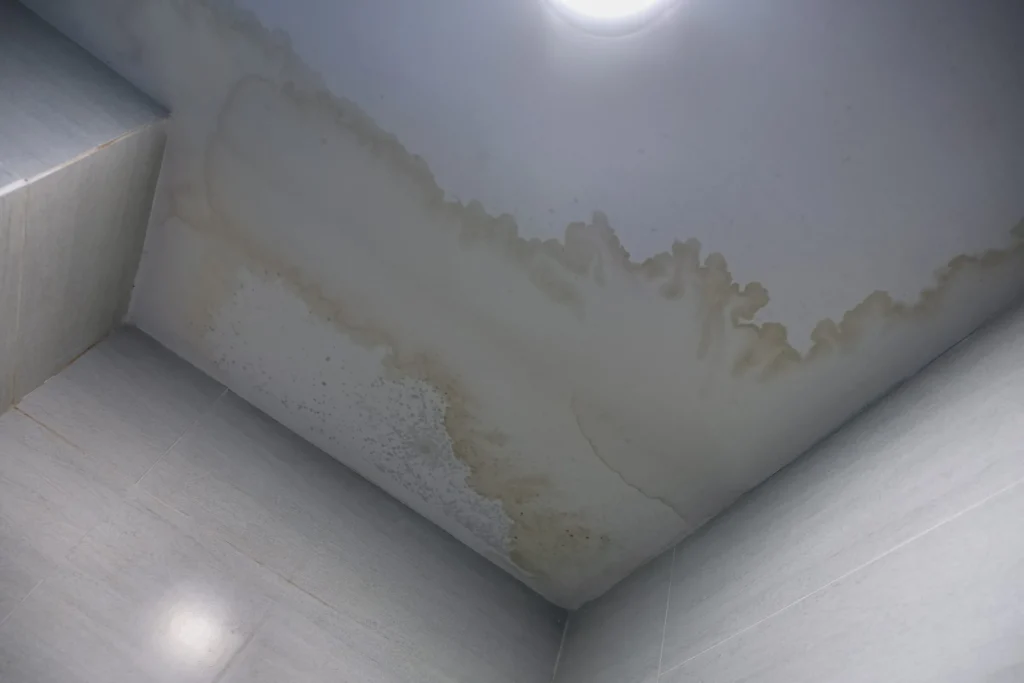
Water is patient and destructive, and hidden leaks attack the parts of your home you cannot see. Slab leaks saturate the soil beneath your foundation, and Oklahoma clay responds by swelling unevenly under the concrete. That movement cracks slabs, shifts walls, and creates structural repairs costing far more than any plumbing fix. Leaks inside walls rot studs, delaminate drywall, and corrode electrical components sharing the same cavity. Every week of delay expands the damage zone. Professional detection stops the clock before cosmetic problems become structural ones.
Mold is the second threat, and it moves even faster than structural decay. Spores colonize damp drywall, insulation, and wood framing within two days of continuous moisture exposure. By the time you smell mustiness or see discoloration, the colony behind the wall is already established. Mold remediation in a single room routinely costs thousands of dollars and displaces families during the work. People with asthma and allergies feel the effects long before the mold becomes visible. Finding and fixing the moisture source is the only permanent solution.
Professional detection also documents your home’s overall plumbing health. A thorough inspection often reveals secondary issues like failing shutoff valves, corroded fittings, and pressure problems that will cause the next leak. Addressing those weak points during one visit prevents repeat emergencies. You receive a clear picture of what is sound and what needs attention, with honest recommendations instead of scare tactics. That knowledge lets you budget for plumbing work on your schedule instead of during a crisis. Prevention always costs less than reaction.
Why Choose Sargents Plumbing & Drain for Leak Detection
Sargents Plumbing & Drain is locally owned and built on honesty and hard work, serving Broken Arrow, Tulsa, and the surrounding communities from our home base at 605 W Oakland Pl. We are licensed and insured, and every technician is trained on modern leak detection equipment. Our team explains findings in plain language and provides upfront pricing before any repair begins. We treat your home the way we would treat our own. That commitment is why we are dedicated to always providing a 5 star service. Local roots mean we answer for our work in our own community.
Emergencies do not follow business hours, and neither do we. Sargents Plumbing & Drain offers 24/7 emergency service with no additional fees for emergency or weekend calls. A leak discovered on a Saturday night gets the same fair price as one found on a Tuesday morning. We also offer 10% discounts for veterans, teachers, seniors, and more, because the people who serve our community deserve savings on essential services. Financing is available for larger repairs like repipes and service line replacements. Cost should never force a family to live with an active leak.
Our work is backed by long term warranties on repipes and fixtures, so you are protected long after the truck leaves your driveway. We stand behind every repair because we fix problems correctly the first time. From a running toilet to a full slab leak repair, our team handles the entire job from detection through restoration ready completion. Homeowners across Bixby, Jenks, Owasso, Coweta, Claremore, and the greater Tulsa area trust us with their plumbing. Call Sargents Plumbing & Drain today at (918) 380-5637 or email info@sgtplumbing.com. Stop paying for water you never use.