Water Pressure Problems in Residential Plumbing
Maintaining a steady and reliable flow of water is one of those household necessities that most people take for granted until something goes wrong. When you turn on the kitchen faucet to rinse dishes or step into the shower after a long day, you expect a consistent stream of water to greet you. However, residential plumbing systems are complex networks of pipes, valves, and regulators that can experience various issues over time. Residents in Broken Arrow and the greater Tulsa area often encounter fluctuations in their water pressure that can range from a minor annoyance to a signal of a much larger, more expensive problem hidden behind the walls.
Understanding the root causes of these issues is the first step toward restoring the comfort and functionality of your home. Water pressure problems do not just impact your ability to clean or bathe; they can also place significant stress on your appliances and the structural integrity of your plumbing system. Whether you are dealing with a trickle that makes washing hands a chore or a high-pressure surge that causes your pipes to rattle and bang, identifying the source of the trouble requires a combination of basic knowledge and a bit of investigation. By looking at how water moves through your home and what factors can interrupt that journey, you can better determine when a simple DIY fix is possible and when it is time to call in the professionals.
In a community like Broken Arrow, the age of the home often dictates the type of plumbing challenges a family might face. Newer developments may struggle with pressure regulators that were installed during initial construction, while historic areas might deal with aging infrastructure that has simply reached the end of its lifespan. Regardless of the age of the property, water pressure remains a primary concern for homeowners who want to ensure their plumbing systems operate efficiently and safely. A proactive approach to monitoring the force and volume of your water can save you from the headache of unexpected repairs and the high costs associated with water damage.
The Mechanics of Residential Water Pressure
To effectively troubleshoot water pressure issues, it is helpful to understand how the system is designed to work. For most homes in Broken Arrow, water is delivered via a municipal supply line that carries water from a central treatment facility or storage tank. This water is kept under high pressure by the city to ensure it can travel through miles of underground mains and reach every home in the service area. Once that water reaches your property line, it passes through a meter and then into your private service line, eventually branching off to supply various fixtures like sinks, toilets, and water heaters.
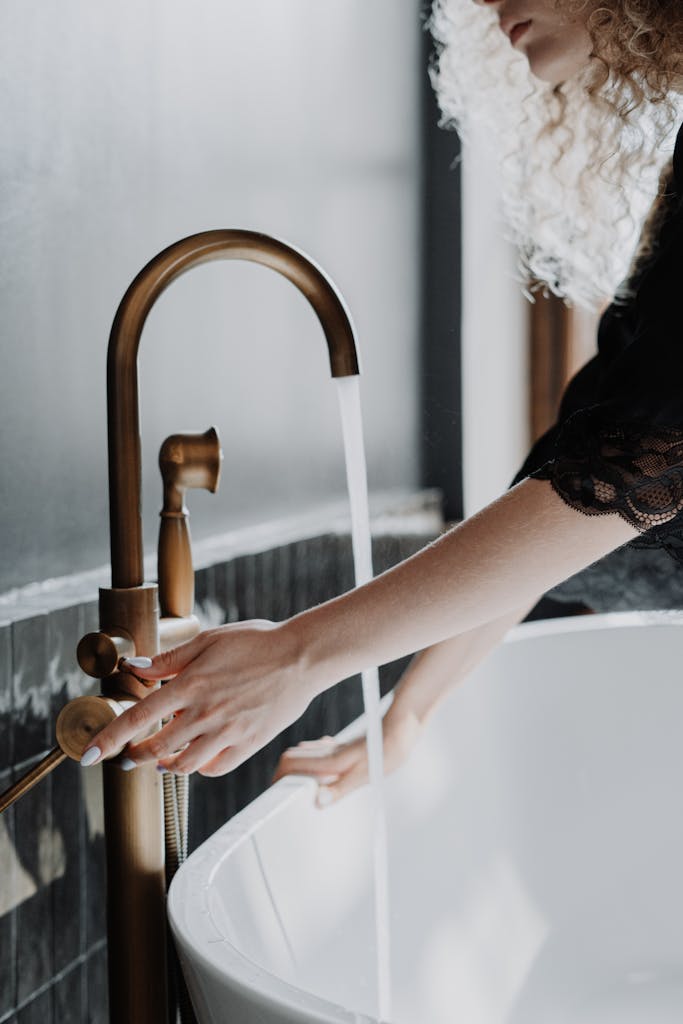
Water pressure is typically measured in pounds per square inch, or PSI. In a standard residential setting, the ideal pressure range is generally considered to be between 40 and 60 PSI. This range provides enough force to power multiple fixtures simultaneously without putting excessive strain on the joints and seals of your plumbing. If the pressure falls below 40 PSI, you will likely notice a significant decrease in performance, while pressure exceeding 80 PSI can lead to leaks, burst pipes, and the premature failure of appliances like dishwashers and water heaters. The balance of this pressure is often managed by a specific device known as a pressure-reducing valve, which acts as a gatekeeper for your home.
The elevation of your property relative to the municipal water source or storage tower also plays a significant role in the natural pressure you receive. Homes located at the bottom of a hill often experience higher pressure because gravity aids the flow of water downward, while homes situated on higher ground may struggle with lower natural pressure. To combat these geographic variables, municipal systems use pumping stations and pressure zones, but the final responsibility for regulating the pressure inside the home rests with the internal plumbing components. Understanding these mechanical basics allows you to recognize when the system is operating outside of its intended parameters.
Distinguishing Between Low Water Pressure and Low Flow
Many homeowners use the terms water pressure and water flow interchangeably, but they actually refer to two different aspects of your plumbing system. Pressure is the force that pushes the water through the pipes, while flow is the actual volume of water that comes out of the fixture over a set period. It is entirely possible to have high water pressure but very low flow if there is a restriction in the line. For example, if a pipe is partially clogged with mineral deposits, the pressure behind that clog might be quite high, but only a small amount of water can squeeze through the narrowed opening, resulting in a weak stream at the faucet.
Need your water lines repaired? Click here for our water supply lines service.
Identifying whether you have a pressure problem or a flow problem is essential for an accurate diagnosis. If the water starts out strong when you first turn on the tap but quickly tapers off to a trickle, you are likely dealing with a flow restriction or a supply issue. Conversely, if the water is consistently weak from the moment you turn the handle, the overall pressure in the system may be low. This distinction helps plumbers at Sargents Plumbing & Drain determine whether they should be looking for a malfunctioning regulator, a hidden leak, or a physical blockage within the piping itself. Understanding this difference saves time during the inspection process and ensures the correct solution is applied.
Think of your plumbing system like a garden hose. If you turn the faucet on all the way but leave a kink in the hose, the pressure at the source is high, but the flow at the end of the hose is minimal. Once you remove the kink, the flow increases to match the pressure. In a home, these kinks are often represented by corroded pipes, small leaks, or clogged filters. By observing how your fixtures behave when multiple taps are running at once, you can gain even more insight. If the pressure drops significantly when the washing machine starts or someone else flushes a toilet, the system is struggling to provide enough volume to meet the demand, which usually points toward a flow restriction in the main supply.
Common Causes of Low Water Pressure at Individual Fixtures
Sometimes, the frustration of low water pressure is limited to just one or two spots in the house. If your kitchen sink works perfectly but the guest bathroom shower feels like a gentle mist, the problem is almost certainly localized to that specific fixture rather than the entire house. The most common culprit in these scenarios is a clogged aerator or showerhead. Over time, the tiny screens and holes in these fixtures can become blocked by sediment, rust, or mineral buildup from the water supply. This is particularly common in areas with hard water, where calcium and magnesium deposits gradually harden into a crust that restricts the exit path for the water.
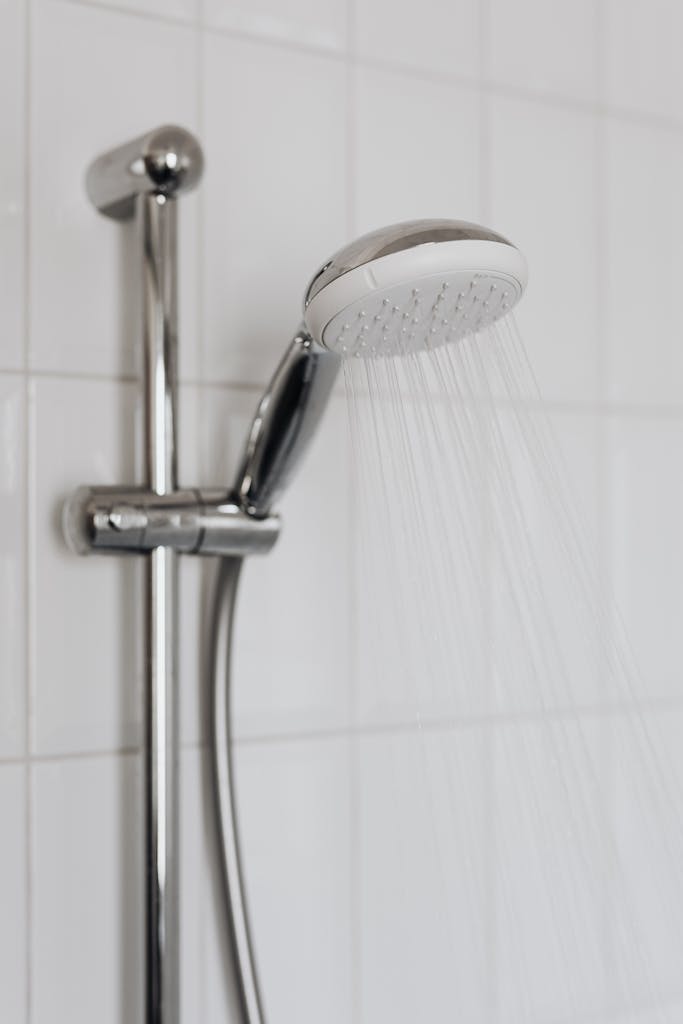
Cleaning or replacing these small components is often the easiest fix for a localized pressure issue. You can often unscrew the aerator from the end of a faucet and soak it in a solution of water and vinegar to dissolve the mineral crust. Showerheads can be treated in a similar fashion, though some modern designs with rubber nozzles may simply require a bit of manual scrubbing to dislodge the debris. If cleaning the fixture does not resolve the issue, the problem might lie in the supply lines leading to that specific sink or tub, such as a partially closed shut-off valve under the cabinet or a kink in a flexible supply hose.
In some cases, the internal components of the faucet itself might be the source of the trouble. Modern faucets often use cartridges or ceramic discs to control the flow of water. If these parts become damaged or filled with grit, they can restrict the movement of water through the valve body. Replacing a cartridge is a relatively straightforward task for a professional, but it requires identifying the specific make and model of the faucet to ensure the replacement part fits correctly. Similarly, diverter valves in tubs and showers can sometimes get stuck in a midway position, causing water to bypass the showerhead or the spout, which significantly reduces the perceived pressure.
Whole House Low Water Pressure Issues
When every faucet and showerhead in the home is struggling to produce a decent stream of water, the source of the problem is much further upstream. One of the first things a homeowner should check is the main shut-off valve, which is typically located near the water meter or where the main line enters the house. If this valve was recently turned for a repair and not fully reopened, it will restrict the volume of water entering the entire plumbing system. Even a valve that is turned just a few degrees away from the fully open position can cause a noticeable drop in pressure throughout the residence.
Another frequent cause of house-wide low pressure is a failing pressure-reducing valve, or PRV. This bell-shaped device is usually found on the main water line and is responsible for stepping down the high pressure from the city mains to a safe level for your home. Like any mechanical component, a PRV can wear out over time. When it fails, it may default to a restricted position, severely limiting the amount of water that can pass through. Replacing a PRV is a task that typically requires the expertise of a licensed plumber, as it involves cutting into the main supply line and ensuring the new valve is properly calibrated to protect the home.
In rare instances, the problem may not be with your home at all, but with the municipal supply. If the city is performing maintenance on water mains nearby or if there has been a significant water main break in your area of Broken Arrow, you will likely experience a temporary drop in pressure. You can check with your neighbors to see if they are having similar issues. If they are, a quick call to the local water department can often provide clarity on when the service will be restored to normal levels. However, if your neighbors have perfect pressure and your valves are all fully open, the issue is almost certainly localized to your private service line or the internal plumbing of your home.
The Dangers of High Water Pressure
While most people complain about low water pressure, having pressure that is too high can be far more damaging and dangerous for a home. High water pressure is often a silent problem because it makes your fixtures feel powerful and efficient, but that extra force is constantly hammering away at your pipes, valves, and appliances. One of the first and most common signs of high pressure is a phenomenon known as water hammer, which manifests as a loud banging or thumping sound when you turn off a faucet or when an appliance like a washing machine stops its fill cycle. This sound is caused by the sudden stop of fast-moving water, which creates a shockwave that rattles the pipes.
Want to know the signs your water heater is failing? Click here for more information.
Beyond the noise, high water pressure can cause seals to blow out, joints to weaken, and faucets to drip incessantly. It also significantly shortens the lifespan of expensive appliances. A water heater, for instance, is designed to withstand a certain amount of internal pressure, but if the incoming water is consistently above the recommended PSI, the tank can expand and eventually crack or leak. To protect against this, most water heaters are equipped with a temperature and pressure relief valve, but if this valve is forced to trigger frequently due to high street pressure, it can fail or cause localized flooding in your utility room or garage.
If you suspect your pressure is too high, you can purchase a simple pressure gauge at a local hardware store in Broken Arrow and attach it to an outdoor hose bib. If the reading is consistently above 75 or 80 PSI, you should contact a professional to have a pressure-reducing valve installed or adjusted. Managing high pressure is a critical part of preventative maintenance. It protects your toilets from constant running, prevents your washing machine hoses from bursting, and ensures that your dishwasher does not suffer from premature motor failure. Investing in a PRV is a small price to pay compared to the cost of remediating a major indoor flood caused by a pipe that finally gave way under the strain.
Hidden Culprits in Older Plumbing Systems
For residents living in some of the more established neighborhoods in Broken Arrow, the age of the plumbing system itself can be the primary reason for pressure problems. Many older homes were built with galvanized steel pipes, which were the standard for residential construction for several decades. While these pipes are durable, they are highly susceptible to internal corrosion over time. As the steel reacts with the water, it forms rust and scale on the inside of the pipe. This buildup behaves much like cholesterol in an artery, gradually narrowing the opening through which water can flow until only a fraction of the original volume can get through.
This type of internal clogging is often a gradual process, so homeowners might not notice the decline until it becomes severe. Unfortunately, once galvanized pipes have reached this level of corrosion, there is no effective way to clean them out. The only long-term solution is a partial or full repipe of the home, typically using modern materials like copper or PEX. These newer materials do not corrode from the inside out and provide much smoother internal surfaces, which helps maintain consistent pressure and flow for decades to come. If you find that your water is discolored or has a metallic taste along with low pressure, it is a strong indicator that your old pipes are reaching the end of their functional life.

Another issue specific to older homes involves the size of the pipes used during construction. Years ago, it was common to use smaller diameter pipes for branch lines, as the average household used far less water than we do today. With modern high-flow showerheads, multiple bathrooms, and high-capacity appliances, these small pipes simply cannot carry enough water to satisfy the modern demand. This results in a significant drop in pressure whenever more than one fixture is in use. Upgrading these lines during a renovation or a dedicated plumbing project can dramatically improve the performance of your entire system and eliminate the need to coordinate shower schedules around the dishwasher or laundry cycles.
Detecting Leaks and Their Impact on Pressure
A sudden and unexplained drop in water pressure is frequently the first sign of a significant leak somewhere in the plumbing system. When water escapes through a hole or a crack in a pipe, the pressure that should be pushing the water to your faucet is instead being diverted out of the breach. While some leaks are obvious, such as a burst pipe under a sink, many others are hidden away in crawlspaces, behind walls, or even under the concrete slab of your home. These hidden leaks can waste thousands of gallons of water and cause extensive structural damage long before they are physically visible to the homeowner.
If you suspect a leak is causing your pressure issues, you can perform a simple check using your water meter. Ensure all faucets and water-using appliances in the home are turned off, then go outside and look at the meter. If the small dial or digital display is still moving, water is flowing somewhere in your system. In Broken Arrow, slab leaks are a particularly common concern due to the local soil conditions and the way many homes are constructed. Detecting and repairing these leaks requires specialized equipment, such as acoustic sensors and thermal imaging, which allows plumbers to pinpoint the exact location of the break without having to tear up your entire floor or yard.
It is also important to consider the impact of outdoor leaks on your indoor pressure. A leaking irrigation system or a cracked service line between the meter and the house can bleed off a significant amount of pressure before the water ever makes it inside your walls. These leaks often go unnoticed because the water may drain away into the soil rather than pooling on the surface. If you notice a damp spot in your lawn that never seems to dry out, or if your water bill has taken an unexpected jump alongside a drop in pressure, it is time to have a professional leak detection service performed. Identifying these issues early is the best way to protect your property and restore your home’s water performance.
When to Call a Professional
While some water pressure issues can be resolved with a quick cleaning of a faucet aerator, many problems require the specialized knowledge and tools of a professional plumbing team. Attempting to repair a main line valve or replace a pressure regulator without the proper training can lead to even more significant issues, including flooding or total loss of water service. Furthermore, a licensed plumber can perform a comprehensive diagnostic check of the entire system, identifying potential problems like aging water heaters or weak joints that the average homeowner might miss.
Sargents Plumbing & Drain has spent over 25 years serving the Broken Arrow and Tulsa communities, providing honest and reliable solutions for all types of plumbing emergencies. Our team understands the unique challenges that local homeowners face, from the mineral content in the city water to the specific construction styles common in Oklahoma neighborhoods. We offer free estimates and 24/7 emergency service with no extra fees for homeowners, ensuring that you can get the help you need exactly when you need it. Whether you need a simple pressure adjustment or a full system repipe, having an experienced partner on your side provides the peace of mind that the job will be done correctly the first time.
When a professional plumber arrives at your home, they do more than just fix the immediate symptom. They look at the plumbing system as a whole. This might involve testing the incoming pressure from the street, checking the age and condition of the water heater, and inspecting the visible pipes for signs of corrosion or stress. By taking this holistic view, a plumber can often identify the true root cause of your pressure problems, ensuring that the fix is permanent rather than just a temporary patch. Professional intervention also ensures that all work is performed to local building codes, which is essential for the safety of your family and the future resale value of your property.
Water pressure is more than just a convenience; it is a vital indicator of the overall health of your residential plumbing system. By staying observant and addressing changes in pressure as soon as they arise, you can prevent minor issues from escalating into major disasters. Whether it is the simple task of cleaning out a showerhead or the more complex process of replacing a failing regulator, maintaining the proper balance of pressure ensures that your home remains a comfortable and functional environment.
Living in Broken Arrow means having access to professional resources that can help you navigate these common household challenges. Taking a proactive approach to your plumbing maintenance not only improves your daily quality of life but also protects your most significant investment. When you encounter a problem that seems beyond your control, remember that a steady stream of water is just a phone call away. With the right care and attention, your plumbing system can continue to serve your family reliably for many years to come.
Understanding that your home is a system of interconnected parts is key to long-term success. While it might be tempting to ignore a slight dip in pressure or a noisy pipe, these are often the early warning signs of a system under stress. By partnering with experts who have decades of experience in the local community, you can ensure that your home’s plumbing remains in top condition, providing the water you need with the reliability you expect.