Tree Root Intrusion in Sewer Lines
The beauty of a residential landscape in Broken Arrow is often defined by the presence of mature, towering trees that provide shade and character to a property. While these trees offer aesthetic and environmental benefits, they also possess extensive, powerful root systems that operate invisibly beneath the surface of your lawn. To a tree, your underground sewer line is not just a waste pipe; it is a highly concentrated source of water, nutrients, and warmth. Because trees are biological organisms programmed to survive, their roots will relentlessly seek out any point of entry into these pipes, leading to one of the most common and destructive plumbing issues faced by Oklahoma homeowners.
Tree root intrusion is a silent process that often goes unnoticed until a major plumbing crisis occurs. It typically begins with a microscopic crack or a slightly loose joint in an older sewer line. As moisture vapors escape from these small openings into the surrounding soil, nearby tree roots sense the nutrient-rich water and begin to grow toward the source. Once a tiny, hair-like root finds its way into the pipe, it has found the perfect environment to flourish. Inside the sewer line, the root is protected from predators and supplied with a constant flow of moisture, allowing it to grow rapidly into a dense, sprawling mass that can eventually choke off the entire system.
For residents of Broken Arrow, the challenge of root intrusion is compounded by the local soil conditions and the age of many municipal and residential lines. While modern plastic pipes are more resistant to these invaders, many older homes still rely on clay, cast iron, or even Orangeburg pipes, all of which are highly susceptible to root-related damage. Understanding the mechanics of how roots enter and destroy a sewer system is the first step in protecting your home from the stress and expense of a total sewage backup. By paying attention to the subtle warnings of your plumbing system and the health of your trees, you can identify a problem while it is still manageable.
The Biology of Subterranean Seekers
Trees are remarkably efficient at finding the resources they need to thrive. The root system of a typical tree can extend two to three times the width of its canopy, meaning that a tree in your neighbor’s yard could easily reach the sewer line running beneath your own lawn. These roots are equipped with specialized cells that can sense moisture gradients in the soil. When a sewer pipe leaks even a tiny amount of water vapor, it creates a trail of moisture that acts as a beacon for the tree. The roots do not move through the soil in a random fashion; they are specifically directed toward the warmth and humidity of the sewer infrastructure.
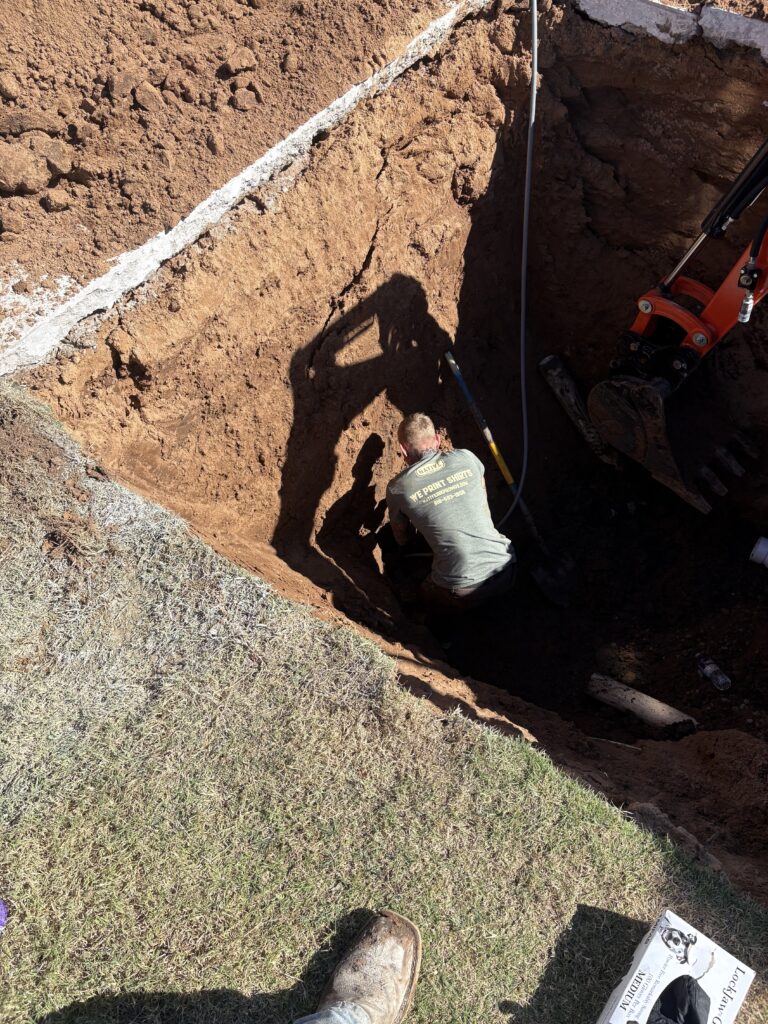
Once a root finds a point of entry, such as a hairline fracture or a gap in a pipe joint, it enters as a single strand. However, once inside the nutrient-rich environment of the wastewater stream, that strand begins to branch and thicken. The root mass acts as a structural filter, catching toilet paper, grease, and other debris as it passes through the line. This creates a snowball effect where the initial root intrusion leads to a physical blockage of solid waste, which in turn holds more moisture and nutrients in place, encouraging even faster root growth. Over time, the pressure exerted by the thickening roots can cause the pipe to expand and eventually shatter from the inside out.
The growth rate of these roots is influenced by the season and the local climate. In the hot, dry summers often experienced in Oklahoma, trees become even more desperate for water, making your sewer line a primary target. During these periods, the roots will push harder against underground obstacles. Because the damage happens deep underground, it is often impossible for a homeowner to know that their sewer line has been compromised until the fixtures in the house start to drain slowly or backup entirely. Recognizing that your trees are actively seeking out your plumbing is essential for maintaining a healthy balance between your landscaping and your home’s mechanical systems.
Identifying the Early Warning Signs of Root Damage
Recognizing the early symptoms of tree root intrusion can save a homeowner from the trauma of a full-scale sewage backup. One of the most common indicators is a persistent gurgling sound coming from your toilets or drains. This noise occurs because the root mass inside the pipe is displacing air and water as it flows past, creating a vacuum effect or a bubbling sound. If you hear your toilet talk back to you after a flush, it is likely that a root mass has begun to restrict the flow of water and air through the main line. This is a clear signal that the system is struggling and requires a professional assessment.
Need your sewer line repaired? Click here for our sewer line repair service.
Slow-draining fixtures throughout the entire house are another major red flag. If just one sink is slow, it might be a localized clog, but if the bathtub, the kitchen sink, and the guest bathroom are all sluggish, the problem is likely in the main sewer line. Because the roots create a partial blockage, the water has to seep through the fibrous mass rather than flowing freely. This results in a noticeable delay in drainage that often worsens over time as the roots grow more dense and catch more debris. Many homeowners mistake this for a simple clog and try to clear it with chemicals, but those products rarely reach the deep root mass and can actually damage the pipes further.
Changes in your lawn can also provide visual clues about what is happening beneath the surface. If you notice a patch of grass that is significantly greener, taller, or more lush than the rest of the yard, it may be receiving extra fertilization and moisture from a leaking, root-infested sewer line. Conversely, if a section of your lawn is suddenly soggy or if you notice a localized sinkhole forming, it could indicate that a root-damaged pipe has collapsed or is leaking enough water to wash away the supporting soil. These yard-based clues are often the only external evidence of a deep-seated plumbing problem.
The Vulnerability of Different Pipe Materials
The risk of tree root intrusion is heavily dependent on the material used in your home’s sewer line. Older homes in Broken Arrow often have pipes made of vitrified clay or cast iron. Clay pipes are particularly vulnerable because they were typically installed in short sections with joints made of mortar or rubber gaskets that degrade over time. These joints are the primary entry points for thirsty roots. As the house settles and the soil shifts, these joints can open slightly, inviting the roots inside. Once the roots are in, the brittle nature of the clay makes it easy for the expanding root mass to crack the pipe.
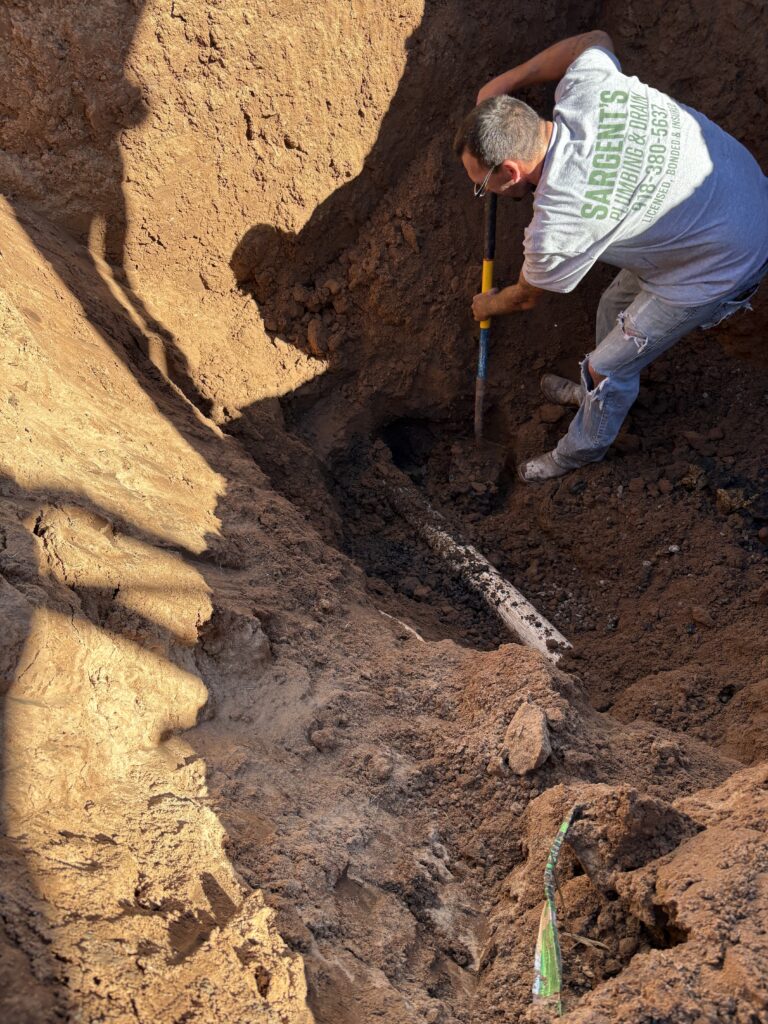
Cast iron pipes, while more durable than clay, are not immune to the power of nature. Over several decades, cast iron can develop a layer of corrosion and scale on the inside, which creates a rough surface that roots can grip. More importantly, as cast iron ages, it can develop a channel along the bottom of the pipe where water has worn away the metal. This opening provides a perfect doorway for tree roots to enter. Once inside a cast iron pipe, the roots can actually accelerate the corrosion process by holding moisture and organic waste against the metal walls, leading to a much faster failure of the infrastructure.
Modern residential plumbing typically uses PVC or ABS plastic pipes, which are significantly more resistant to tree roots. These pipes are installed in longer sections with fewer joints, and those joints are chemically welded together, creating a seamless and airtight barrier. However, even plastic pipes can be compromised if they were improperly installed or if they are subjected to significant ground movement. If a plastic pipe is crushed or cracked by heavy machinery or shifting soil, roots will eventually find the opening. Understanding what your pipes are made of is a critical component of assessing your long-term risk for root intrusion.
The Financial and Structural Consequences of Neglect
Ignoring the signs of tree root intrusion can lead to some of the most expensive and distressing repairs a homeowner will ever face. When a root mass completely blocks the sewer line, the wastewater has nowhere to go but back up into your home. This typically occurs at the lowest point, such as a basement floor drain or a ground-floor shower. A sewage backup is more than just a mess; it is a biohazard that requires professional remediation to ensure the health and safety of your family. The cost of cleaning up after a backup and replacing damaged flooring and cabinetry can easily reach thousands of dollars.
Want to know important plumbing maintenance tips? Click here for more information.
Beyond the immediate cleanup costs, the structural damage to your plumbing can be extensive. As roots thicken inside a pipe, they exert immense pressure on the surrounding walls. This pressure can cause a pipe to “belly” or sag, creating a low spot that will always collect debris, even after the roots are removed. In severe cases, the roots can cause a total collapse of the pipe, requiring a full excavation and replacement of the line. In Broken Arrow, where the clay soil is prone to shifting, a collapsed sewer line can also lead to foundation issues if the leaking water is allowed to saturate the soil beneath your home.
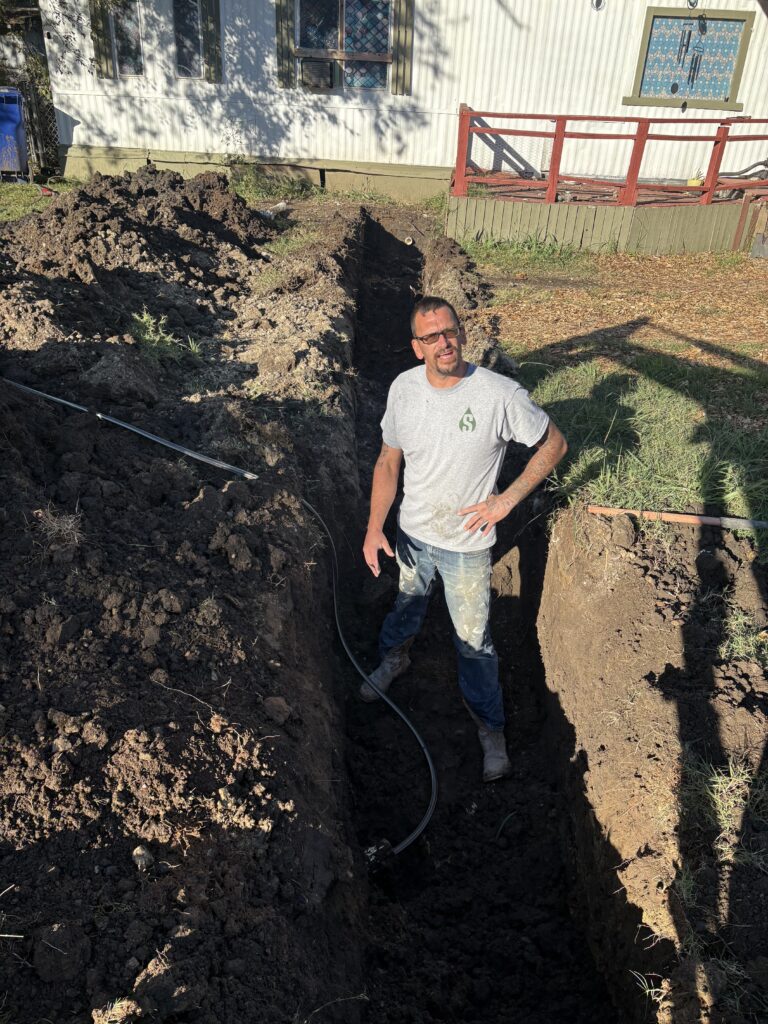
There is also the matter of your landscaping. If a sewer line must be traditionally excavated for replacement, it often means tearing up your lawn, flower beds, and even sections of your driveway or sidewalk. This adds a significant layer of expense and disruption to the project. However, by identifying the root problem early through a professional camera inspection, homeowners can often utilize trenchless repair methods that fix the pipe from the inside without the need for a major trench. Investing in early detection is not just about saving the pipe; it is about preserving the overall value and integrity of your entire property.
Professional Diagnostic and Removal Methods
When a homeowner suspects tree root intrusion, the most effective first step is a professional sewer camera inspection. This technology allows a plumber to feed a high-definition, waterproof camera through the cleanout and see exactly what is happening inside the pipe. The camera provides a real-time view of the root mass, the condition of the pipe joints, and any structural damage that has occurred. This diagnostic tool eliminates the guesswork and allows the technician to show the homeowner the exact cause of their drainage problems, ensuring that the repair plan is targeted and efficient.
Once the roots are identified, there are several professional methods for removal. Mechanical augering, or snaking, is a traditional approach where a rotating blade is sent down the line to cut through the roots. While this can provide immediate relief by punching a hole through the blockage, it does not completely remove the root mass and often leaves the hair-like fibers behind, allowing the roots to grow back even stronger. It is a temporary solution that usually needs to be repeated every year or two. To achieve a more thorough cleaning, many professionals recommend hydro jetting.
Hydro jetting uses high-pressure water to scour the inside of the sewer line, effectively blasting away the root mass and any grease or scale that has accumulated. This process cleans the pipe all the way to the walls, making it much harder for roots to find a foothold. For a more permanent solution, plumbers may also apply a chemical root inhibitor after the cleaning. This foam-based treatment is designed to kill the remaining root fibers and coat the inside of the pipe to discourage new growth for a set period. By combining these modern removal methods with regular inspections, homeowners can manage root intrusion without having to replace their entire sewer system.
Trenchless Repair Options for Root Damaged Lines
For pipes that have been structurally compromised by tree roots, traditional excavation is no longer the only option. Trenchless sewer repair technology has revolutionized the industry by allowing plumbers to fix or replace underground lines with minimal disruption to the yard. One of the most common trenchless methods is Cured-In-Place Pipe, or CIPP lining. This involves inserting a flexible, resin-saturated liner into the existing damaged pipe. Once the liner is in place, it is inflated and cured, creating a seamless, root-proof pipe within the old one. This new lining is incredibly durable and eliminates the joints that roots traditionally use as entry points.
Another trenchless option is pipe bursting. This technique involves pulling a new, high-density polyethylene pipe through the old one while simultaneously breaking the old pipe apart. This is particularly useful for lines that have collapsed or are too damaged for a liner. Both of these methods can be completed in a fraction of the time required for a traditional excavation and often carry much longer warranties. For a Broken Arrow homeowner who takes pride in their landscaping, trenchless technology provides a way to restore their plumbing without destroying their beautiful yard.
Choosing between traditional and trenchless repair depends on the specific condition of the line and the location of the damage. A professional plumber can evaluate the camera footage and help you weigh the costs and benefits of each approach. While trenchless repairs may have a higher upfront cost for the technology itself, the savings in terms of landscape restoration and labor often make it the more economical choice in the long run. Most importantly, trenchless solutions provide a permanent barrier against future root intrusion, giving you the peace of mind that your plumbing is protected for decades to come.
Tree root intrusion is a natural and persistent challenge for homeowners who enjoy the shade and beauty of a mature landscape. While the battle between your trees and your pipes is waged invisibly beneath your lawn, the consequences of that conflict are very real and can be devastating if left unaddressed. By understanding the biological drive that sends roots into your sewer system and learning to recognize the early warning signs of a blockage, you can take a proactive stance in protecting your home. A gurgling toilet or a slow drain is more than just a nuisance; it is a vital indicator of the health of your property’s infrastructure.
Living in Broken Arrow means having access to professional resources that can help you navigate these subterranean issues with ease. Modern diagnostic tools like sewer camera inspections and powerful removal methods like hydro jetting have made managing root intrusion more efficient and transparent than ever before. You no longer have to wonder what is happening under your yard or fear that a repair will mean the end of your favorite oak tree or a pristine lawn. Knowledge is your best defense, and a partnership with an experienced plumbing team ensures that your home remains safe and functional.
Maintaining a healthy sewer line is an essential part of responsible homeownership. It requires a balance between the natural world above ground and the mechanical world below. When you prioritize regular inspections and address problems at the first sign of trouble, you are investing in the long-term stability and value of your home. Don’t let a silent intruder turn your beautiful landscape into a plumbing nightmare. Stay observant, seek professional advice when needed, and enjoy the peace of mind that comes with a clear and reliable sewer system.