How to Prepare Your Plumbing for the Fall Season
Fall arrives fast in Oklahoma, and your plumbing system needs attention before the first cold snap hits Broken Arrow. Summer heat puts stress on pipes, water heaters, and outdoor fixtures, and autumn is the right time to correct that damage before winter makes repairs harder. A little preparation now prevents frozen pipes, water heater failures, and sewer backups later. Many homeowners wait until something breaks, and that mistake often costs thousands of dollars in emergency repairs. Fall plumbing preparation is not complicated; it simply requires a checklist and a weekend of effort. Some tasks you can handle yourself, while others call for a licensed plumber with the right tools. This guide walks you through every step of preparing your plumbing for the fall season. Follow it closely and your home will be ready for anything Oklahoma weather throws at it.
Fall Plumbing Maintenance Tasks Every Homeowner Should Complete
Fall plumbing maintenance starts with a full walkthrough of your home, inside and out. You are looking for slow drains, dripping faucets, corroded fittings, and any fixture that behaved strangely over the summer. Small problems become big problems once temperatures drop, because cold weather expands existing cracks and stresses weak joints. Your water heater, outdoor spigots, gutters, and drains all need specific attention before November. Oklahoma falls can swing from 80 degrees to freezing in a single week, so early preparation matters more here than in milder climates. Set aside one weekend in September or October to complete these tasks. Write down anything you cannot fix yourself and schedule a professional visit before the busy winter season. The sections below break down the three most important areas of fall plumbing maintenance for your home.
Outdoor Fall Plumbing Maintenance for Hose Bibs and Spigots
Outdoor faucets are the first casualties of an early freeze, which makes them the top priority in fall plumbing maintenance. Start by disconnecting every garden hose from every spigot around your home. A connected hose traps water inside the faucet and the pipe behind it, and that trapped water freezes, expands, and splits the pipe inside your wall. Drain each hose completely, coil it up, and store it in a garage or shed for the winter. Next, turn each spigot on full blast and watch how the water flows. Weak flow or spraying from the handle points to internal damage that a plumber should evaluate. If your home has interior shutoff valves for outdoor lines, close them and open the outdoor spigot to drain the remaining water. This simple sequence takes twenty minutes and prevents one of the most common winter plumbing disasters in Oklahoma.
Frost free hose bibs deserve a closer look during your fall plumbing maintenance routine. These fixtures place the valve seat deep inside the heated wall of your home, which protects them from freezing under normal conditions. They only work correctly when the faucet slopes slightly downward toward the outside, allowing water to drain out after every use. A hose left attached defeats this design completely, so never assume a frost free bib is safe with a hose connected. Check the vacuum breaker cap on top of the fixture for cracks or mineral buildup. Test the handle for smooth operation and listen for dripping after you shut it off. A drip that continues means the washer or valve seat has worn out. Replacing these parts in October is cheap; replacing a burst supply line in January is not.
Irrigation systems and sprinklers also fall under outdoor fall plumbing maintenance. Sprinkler lines sit shallow in the soil, and shallow lines freeze quickly during Oklahoma cold fronts. Shut off the water supply to the irrigation system at the main valve before the first hard freeze. Most systems in this region benefit from a professional blowout, where compressed air pushes remaining water out of every zone. Water left in the lines cracks the PVC and destroys sprinkler heads over the winter. Check your backflow preventer as well, since this device is expensive to replace and vulnerable to freezing. Insulate any above ground components with foam covers or insulated bags. Homeowners who skip this step often discover geysers in the yard when they restart the system in spring.

Fall Plumbing Maintenance for Your Water Heater
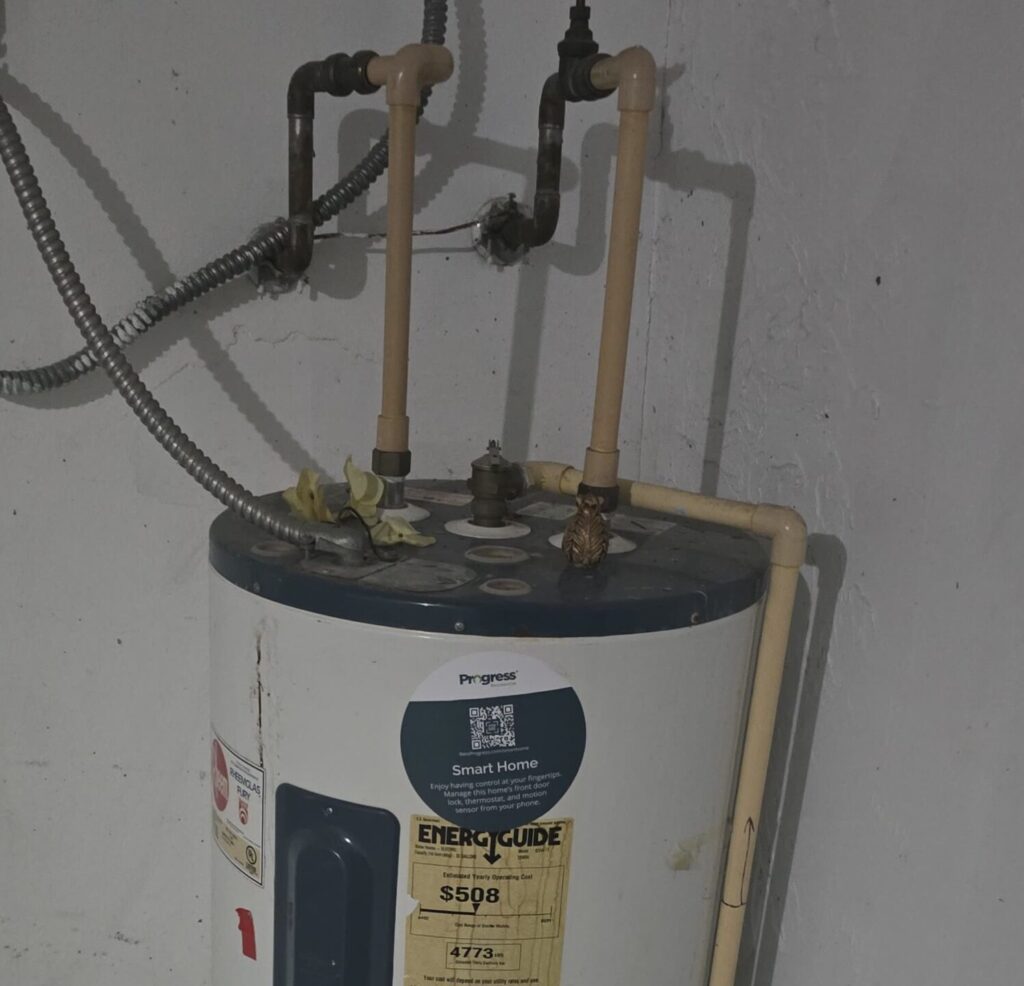
Your water heater works harder in fall and winter than at any other time of year, so it deserves a central place in your fall plumbing maintenance plan. Incoming groundwater gets colder as the season changes, which forces the unit to burn more energy to reach the same temperature. A water heater full of sediment struggles even more, because that mineral layer sits between the burner and the water. Flushing the tank each fall removes the sediment and restores efficiency. Attach a garden hose to the drain valve, run it to a floor drain or outside, and let the tank empty until the water runs clear. Turn off the power or gas before you start, and shut the cold water inlet as well. This one task can extend the life of a tank water heater by several years. It also lowers your energy bill through the coldest months.
Fall plumbing maintenance for your water heater also includes a safety check of key components. Test the temperature and pressure relief valve by lifting the lever briefly and confirming that water discharges through the pipe. A valve that sticks or fails to reseal needs immediate replacement, because it is the main safeguard against dangerous tank pressure. Inspect the anode rod if your unit is more than three years old; a consumed rod leaves the tank steel exposed to corrosion. Look around the base of the unit for rust stains, moisture, or white mineral crust. Check the venting on gas units for gaps, rust, or blockages that could leak exhaust into your home. Set the thermostat to 120 degrees for the best balance of comfort and safety. Any burning smell, popping noise, or rusty hot water is a signal to call a professional right away.
Older units may need more than routine fall plumbing maintenance, and autumn is the smartest time to evaluate them. A tank water heater typically lasts eight to twelve years in Oklahoma, and hard water shortens that span. If your unit is approaching a decade of service, a professional inspection tells you what condition it is really in before winter demands peak performance. Failures spike in December and January when cold inlet water pushes tired units past their limit. A mid winter failure means cold showers, emergency pricing at other companies, and limited replacement options. Planning a replacement in the fall lets you compare tank and tankless options calmly. Tankless units offer endless hot water and lower operating costs for many households. Want to know the true condition of your unit before winter? Click here for our water heater inspection service.
Drain and Gutter Fall Plumbing Maintenance
Drains carry a heavier load in autumn, which makes drain care a core part of fall plumbing maintenance. Falling leaves, holiday cooking grease, and increased indoor water use all push more debris through your system between October and January. Start inside by testing every drain in the house for speed. A sink that empties slowly now will clog completely once Thanksgiving grease and food scraps hit the line. Clean hair from tub and shower drains with a simple plastic drain tool. Never pour bacon grease, turkey drippings, or cooking oil down the kitchen sink, because those fats solidify in cold pipes. Run hot water for thirty seconds after every use of the garbage disposal. These habits cost nothing and prevent the most common holiday plumbing emergencies.
Outdoor drainage matters just as much in a complete fall plumbing maintenance routine. Clean your gutters and downspouts after the leaves finish falling, since clogged gutters dump water directly against your foundation. That pooled water finds its way into crawl spaces, basements, and eventually your sewer line. Extend downspouts at least three feet away from the house to keep the soil around your foundation stable. Check exterior drain grates and window well drains for leaf buildup. Yard drains and French drains should flow freely before the heavy rains of late fall arrive. Standing water near the home in autumn often becomes ice damage or foundation movement by February. A dry perimeter protects both your plumbing and your foundation through the winter.
Sewer lines deserve special attention during fall plumbing maintenance because tree roots grow aggressively toward them in autumn. Roots seek moisture as the surface soil dries, and a sewer line with even a hairline crack releases exactly the moisture they want. Root intrusion causes slow drains throughout the house, gurgling toilets, and eventually a full sewage backup. Watch for wet spots or unusually green patches in the yard along the sewer path. Multiple slow drains at once almost always point to a main line problem rather than a single fixture. A camera inspection shows the exact condition of the line without any digging. Hydro jetting clears roots and grease buildup before the holiday season stresses the system. Suspect a problem in your main line? Click here for our sewer line inspection service.
How to Protect Your Pipes From Cold Weather This Fall
Learning how to protect your pipes from cold weather is the most valuable plumbing skill an Oklahoma homeowner can develop. Frozen pipes burst because water expands about nine percent when it freezes, and that expansion generates enough pressure to split copper, PVC, and even steel. A single burst pipe can release hundreds of gallons into your walls before you notice. Broken Arrow sees hard freezes every winter, and the first one often arrives in November before homeowners feel ready. The pipes most at risk sit in unheated spaces: crawl spaces, attics, garages, and exterior walls. Protection is cheap, and the materials are available at any hardware store. Repairs after a burst are expensive and disruptive, often involving drywall removal and flooring replacement. The three strategies below show you exactly how to protect your pipes from cold weather before the season turns.
Insulate Exposed Pipes to Protect Your Pipes From Cold Weather
Pipe insulation is the single most effective way to protect your pipes from cold weather, and fall is the time to install it. Foam pipe sleeves cost only a few dollars per section and slide over exposed lines in minutes. Start in the crawl space, where cold air moves freely under the house all winter. Cover every water supply line you can reach, including both hot and cold lines. Hot water lines benefit too, because insulation reduces heat loss and shortens the wait for hot water at your faucets. Move to the garage next, especially if your water heater or laundry connections sit out there. Attic pipes need the same treatment, since attics in this region often drop below freezing. Seal the seams of each foam sleeve with tape so cold air cannot sneak through the gaps.
Some situations call for more than foam when you need to protect your pipes from cold weather. Pipes that run along exterior walls or through unheated additions face harsher exposure than foam alone can handle. Heat cable, also called heat tape, wraps around these vulnerable lines and keeps them above freezing with a small amount of electricity. Choose a thermostatically controlled cable so it only draws power when temperatures drop. Follow the manufacturer instructions exactly, because improper installation creates a fire risk. Never wrap heat cable over itself, and never cover non approved cable with insulation. Pipes in cabinets against exterior walls can be protected by opening the cabinet doors during hard freezes. Warm room air circulating around the pipes is often enough to prevent freezing in kitchens and bathrooms.
Insulation also reveals problems, which is another reason it helps protect your pipes from cold weather. As you slide sleeves onto each line, you will touch and see sections of plumbing you normally ignore. Look for green or white crust on copper joints, which signals slow corrosion and tiny leaks. Check for water stains on the wood above and below each pipe run. Feel for dampness anywhere along the line. A pipe that is already weeping in October will almost certainly fail during a freeze thaw cycle in January. Older homes with galvanized steel pipe deserve extra scrutiny, because that material corrodes from the inside out. If you find multiple weak spots, ask a plumber about repiping options before winter instead of patching one leak at a time.

Seal Air Leaks to Protect Your Pipes From Cold Weather
Sealing air leaks around your home is an overlooked way to protect your pipes from cold weather. Pipes rarely freeze from ambient cold alone; they freeze where a stream of frigid outside air blows directly across them. Walk your foundation on a windy fall day and feel for drafts around penetrations where pipes, wires, and cables enter the house. Fill small gaps with exterior grade caulk and larger gaps with expanding foam. Check the sill plate where the foundation meets the wood framing, since this joint leaks air in most older homes. Crawl space vents should be closed or covered before the first freeze in this climate. Foundation vent covers cost a few dollars and block the wind that freezes crawl space pipes. Every draft you seal also lowers your heating bill, so this task pays for itself twice.
Garage doors and attic hatches matter more than most homeowners realize when trying to protect your pipes from cold weather. A garage with water lines becomes a danger zone the moment the overhead door is left open during a freeze. Make it a household rule to keep the garage door closed from November through March. Weatherstrip the door between the garage and the house to keep heated air inside. In the attic, make sure insulation covers the pipes rather than sitting beneath them; insulation only works when it separates the pipe from the cold air above. An attic hatch without weatherstripping leaks warm air upward and pulls cold drafts through the house. Add a foam gasket to the hatch and confirm it seals when closed. These small fixes keep the temperature around your pipes stable through the worst cold fronts.
Know your emergency shutoffs as the final step in your plan to protect your pipes from cold weather. Every adult in the house should be able to find and operate the main water shutoff valve in the dark. Test the valve this fall by turning it off and back on, because a valve that has not moved in years often seizes. A seized main valve should be replaced before winter, not discovered during a flood. Label the valve clearly with a tag or bright paint. Locate the water meter shutoff at the street as a backup and keep a meter key in your garage. During a burst pipe, every minute of flow adds gallons of damage to your home. Fast shutoff turns a disaster into a manageable repair.
Check Your Sump Pump to Protect Your Pipes From Cold Weather
Your sump pump plays a bigger role than you might expect when you work to protect your pipes from cold weather. Fall in Oklahoma brings heavy rain, and winter brings snowmelt and freeze thaw cycles that push groundwater toward your foundation. A failed sump pump lets that water flood your crawl space or basement, and standing water around your under floor plumbing accelerates corrosion and freezing. Test the pump this fall by pouring a five gallon bucket of water into the pit. The pump should activate quickly, remove the water, and shut off cleanly. A pump that hums without pumping, cycles rapidly, or fails to start needs service now. Listen for grinding or rattling, which signals a failing motor or impeller. Sump pumps last about seven to ten years, so check the installation date on yours.
The discharge line is a freeze risk of its own, and clearing it helps protect your pipes from cold weather events. The discharge pipe carries water from the pit to the outside, and any water sitting in that line can freeze solid during a hard freeze. A frozen discharge line blocks the pump completely, causing it to run continuously until the motor burns out. Make sure the line slopes downward so water drains fully after each cycle. Extend the outlet away from the foundation so discharged water does not flow back toward the house and refreeze. Some homeowners install a freeze guard fitting that gives water an escape route if the main line blocks. Clear leaves and debris from the discharge outlet during your fall yard work. A clear, sloped, extended discharge line keeps the pump working through any storm.
Backup power and battery systems complete the sump pump portion of your effort to protect your pipes from cold weather. Winter storms in this region knock out power exactly when groundwater is rising, and a pump without electricity is just a paperweight in a filling pit. A battery backup pump takes over automatically during an outage and runs for hours. Test the backup battery each fall and replace it every three to five years. Check the check valve on the discharge line, which prevents pumped water from falling back into the pit. A worn check valve forces the pump to move the same water repeatedly and shortens its life. If your pump is old, loud, or unreliable, replace it before the fall rains peak. Hearing strange noises from the pit? Click here for our sump pump repair service.
Why You Need a Professional Fall Plumbing Inspection in Broken Arrow
A professional fall plumbing inspection catches the problems that homeowner checklists miss. Licensed plumbers carry cameras, pressure gauges, and leak detection equipment that see inside walls, under slabs, and deep into sewer lines. They also know the failure patterns specific to Broken Arrow homes, from hard water damage to root prone clay sewer pipes. An inspection in October costs a fraction of an emergency repair in January. It gives you a documented picture of your system before winter demands peak performance from every pipe and appliance. Scheduling now also beats the rush, because plumbing companies book solid once the first freeze warnings appear.
A Professional Fall Plumbing Inspection Catches Hidden Leaks
Hidden leaks waste water for months before they show visible damage, and a fall plumbing inspection finds them early. A pinhole leak inside a wall can release gallons every day while your only clue is a slightly higher water bill. Professionals use acoustic listening equipment and thermal imaging to locate these leaks without cutting drywall. Slab leaks under the foundation are especially sneaky and especially destructive in this region. Warm spots on the floor, the sound of running water, and unexplained moisture are all signs worth investigating. Concerned about a mystery leak? Click here for our leak detection service.
Cold weather turns small leaks into major failures, which makes a fall plumbing inspection the right timing. Water inside a hairline crack freezes and expands, widening the crack with every freeze thaw cycle. A joint that weeps in October can rupture completely by January. Winter also hides exterior evidence, since frozen ground masks the soggy spots that reveal underground leaks. Finding and fixing these weaknesses in fall means the repair happens on your schedule. Waiting means the pipe chooses the schedule, usually at the worst possible moment.
An inspection also protects your water bill and your home value through the winter. Even minor leaks add up to thousands of wasted gallons over a season. Moisture inside walls feeds mold, rots framing, and stains ceilings, and all of that damage compounds silently. Insurance claims for water damage often involve disputes over neglected maintenance, so documented inspections work in your favor. A written inspection report also helps when you sell your home. Buyers and inspectors respect a maintenance record, and a clean plumbing history supports your asking price.
A Professional Fall Plumbing Inspection Extends Equipment Life
Your water heater, sump pump, and fixtures all last longer with the attention that comes from a fall plumbing inspection. A plumber checks anode rods, relief valves, thermostats, and burner assemblies that most homeowners never touch. Catching a worn part early means a small repair instead of a full replacement. Sediment flushing during an inspection restores water heater efficiency before the cold season begins. Sump pumps get tested under load, and weak motors get flagged before the heavy rains arrive. Every year of extended equipment life is money that stays in your pocket.
A fall plumbing inspection also improves the efficiency of your entire system through the winter months. Mineral scale in pipes and fixtures restricts flow and forces appliances to work harder. Hard water is common across the Tulsa metro, and its effects build up quietly year after year. An inspector measures water pressure and checks for the flow restrictions that signal scale problems. Correcting pressure issues protects fixtures, supply lines, and appliance connections from stress. Lower stress means fewer winter failures and lower utility bills.
Inspections turn plumbing from a source of surprises into a planned budget item. Your plumber can tell you which components have years of life left and which are on borrowed time. That knowledge lets you replace a water heater or sump pump on sale in the fall rather than at emergency pricing in a February ice storm. Financing options are easier to arrange when you are not standing in a flooded hallway. Planned work also gets done more carefully than rushed emergency work. Smart homeowners treat the fall inspection as the foundation of their winter plan.
Why Choose Sargents Plumbing & Drain for Your Fall Plumbing Inspection
Sargents Plumbing & Drain is locally owned and built on honesty and hard work, right here at 605 W Oakland Pl in Broken Arrow. Our team is licensed and insured, and we treat every home like it belongs to a neighbor, because it usually does. We serve Broken Arrow, Tulsa, Bixby, Jenks, Owasso, Coweta, and communities across the metro. We know how Oklahoma freezes damage local plumbing, and we prepare homes for it every fall. Our reputation rests on doing the job right the first time. That commitment shows in our dedication to always providing five star service.
We also make professional plumbing help affordable when you need it most. Sargents offers a 10 percent discount for veterans, teachers, seniors, and more. There are no additional fees for emergency or weekend calls, ever. Our repipes and fixtures are backed by warranties that last for years, so your investment is protected. Financing is available for larger projects like water heater replacements and repiping. You get straight answers, fair pricing, and work that holds up.
Winter emergencies do not wait for business hours, and neither do we. Sargents Plumbing & Drain offers 24/7 emergency service across the Broken Arrow and Tulsa area. One call reaches a real local team that shows up ready to work. Schedule your fall plumbing inspection today by calling (918) 380-5637. You can also email us at info@sgtplumbing.com to set up an appointment. Prepare your plumbing now and enjoy a warm, dry, worry free winter.