Plumbing Issues That Commonly Fail Home Inspections
The process of selling or buying a home in Broken Arrow is a journey filled with paperwork, negotiations, and anticipation. One of the most critical hurdles in this journey is the home inspection. For a seller, a clean inspection report is a powerful tool that can seal a deal, while for a buyer, it provides the peace of mind that their major investment is structurally sound. Among all the systems evaluated during this process, the plumbing network often receives the most scrutiny. This is because plumbing issues are frequently hidden behind walls or beneath the foundation, and when they fail, the resulting damage can be incredibly expensive to remediate.
A home inspector’s job is to identify current problems and potential future failures. In the Tulsa metro area, inspectors look for specific red flags that indicate a plumbing system may not be up to modern standards or local building codes. Many homeowners are surprised to learn that a system that seems to be working perfectly fine can actually be a ticking time bomb of code violations and safety hazards. From the type of materials used in the piping to the way the water heater is vented, there are dozens of details that can make or break a plumbing inspection.
Understanding these common failure points allows homeowners to take a proactive approach. By addressing these issues before the inspector ever sets foot on the property, sellers can avoid the stress of last minute repairs and the risk of a buyer walking away from the table. For buyers, knowing what to look for can prevent the nightmare of moving into a home only to face a massive repiping project or a sewer line collapse within the first few months of ownership. Plumbing is the lifeblood of a residence, and its condition is a primary indicator of how well the entire property has been maintained over the years.
The Lingering Presence of Outdated Piping Materials
One of the most frequent reasons a home inspection in Broken Arrow hits a snag is the presence of outdated or recalled piping materials. In older neighborhoods, inspectors often encounter galvanized steel pipes. While these were the industry standard for decades, they are now nearing the end of their functional lifespan. Over time, galvanized pipes corrode from the inside out, leading to narrowed diameters that restrict water flow and eventually cause pinhole leaks. An inspector will look for signs of rust at the joints or “pimple” leaks on the exterior of the pipe, both of which are definitive signs that the system is failing and likely needs a full repipe.

Another major red flag for inspectors is polybutylene piping, often referred to as Quest piping. This gray plastic tubing was used extensively in the 1980s and early 1990s but was eventually the subject of a massive class-action lawsuit due to its high failure rate. The chemicals used in municipal water treatment can cause the plastic and its fittings to become brittle and crack without warning. If an inspector sees gray piping in the crawlspace or behind a vanity, they will almost certainly mark it as a high-priority concern. Most insurance companies are hesitant to cover homes with polybutylene, making it a deal-breaker for many modern buyers.
Lead pipes and lead solder are also serious concerns, particularly in historic homes. While lead was banned for use in residential plumbing decades ago, it can still be found in older infrastructure. Inspectors use various methods to check for the presence of lead, as its health risks, especially for children, are a significant liability. Even if the pipes themselves are copper, the use of lead based solder on the joints can cause a home to fail an inspection. Identifying these material issues early is crucial, as they usually require professional intervention from a team like Sargents Plumbing & Drain to modernize the system and bring it up to current safety standards.
Water Heater Installation and Safety Violations
The water heater is a focal point of any plumbing inspection because it combines water, high pressure, and often gas or high voltage electricity. Because of this combination, an improperly installed water heater is a significant safety hazard. One of the most common violations inspectors find is the absence or improper installation of the Temperature and Pressure Relief valve, also known as the TPR valve. This valve is designed to prevent the tank from exploding if it overheats. Inspectors check to ensure the valve is present and that its discharge pipe is made of the correct material and terminates in a safe location near the floor or outside the home.
Need a water heater inspection? Click here for our water heater inspection service.
Ventilation is another area where gas water heaters frequently fail. The exhaust flue must be properly sized, securely attached, and have the correct upward slope to ensure that carbon monoxide is safely carried out of the home. Inspectors look for signs of backdrafting, such as melting plastic rings on the top of the heater or soot accumulation near the draft hood. If the venting is compromised, it poses a lethal risk to the occupants, and an inspector will immediately flag it as a critical safety defect. In Broken Arrow, where many water heaters are located in garages or utility closets, proper clearance from flammable materials is also a strictly enforced requirement.
Furthermore, the lack of a proper expansion tank or a missing seismic strap can lead to an inspection failure. In systems with a backflow preventer, an expansion tank is necessary to handle the thermal expansion of water as it heats up, preventing unnecessary stress on the tank and pipes. While Oklahoma is not as seismically active as some other regions, local codes often require water heaters to be securely strapped to the wall to prevent them from tipping over and rupturing gas or water lines during a tremor. These small details are often overlooked by DIY installers but are prioritized by professional home inspectors.
Improper Drainage and Venting Systems
A plumbing system is only as good as its ability to move wastewater and sewer gases away from the living space. Inspectors spend a significant amount of time evaluating the DWV system, which stands for Drain, Waste, and Vent. One of the most common DIY mistakes that leads to an inspection failure is the “S-trap.” Modern building codes require “P-traps,” which are designed to maintain a water seal that prevents sewer gases from entering the home. S-traps are prone to siphoning, which empties the trap and leaves the home vulnerable to foul and potentially dangerous odors. An inspector will check under every sink to ensure the traps are configured correctly.
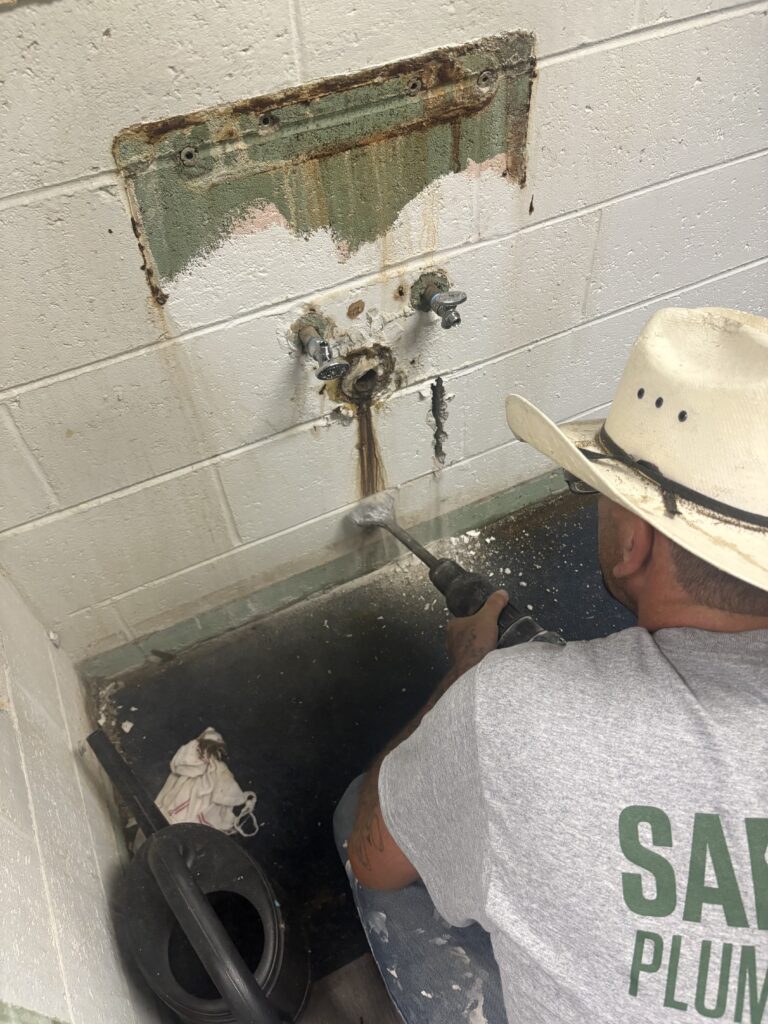
Ventilation of the drain lines is equally important. Every plumbing fixture needs to be connected to a vent pipe that exits through the roof. These vents allow air into the system, which prevents vacuums from forming and ensures that water flows smoothly. If a homeowner has added a bathroom or moved a sink without properly extending the vent stack, the drains will likely gurgle and move slowly. Inspectors also look for illegal “auto-vents” or Air Admittance Valves that have been installed in locations where they are not permitted or have been buried behind walls where they cannot be serviced.
Cross-connections and illegal “cheater” vents are also high on the inspector’s checklist. A cross-connection occurs when there is a physical link between the potable water supply and a source of contamination, such as a garden hose submerged in a pool or a direct connection to an irrigation system without a backflow preventer. These situations can allow contaminated water to be sucked back into the home’s drinking water if the city’s water pressure drops. Protecting the purity of the water supply is a top priority for inspectors and local municipalities alike, and any potential for backflow will result in a failed report.
Sewer Line Integrity and Tree Root Intrusion
While much of the inspection happens inside the home, the condition of the main sewer line leading to the street is just as important. In Broken Arrow, the abundance of mature trees and the shifting nature of the clay soil make sewer lines particularly vulnerable. While a standard home inspection might only involve flushing toilets and running sinks, many buyers now request a specialized sewer camera inspection. This allows a plumber to see the interior of the pipe and identify cracks, sags, or “bellies” in the line where wastewater pools and creates frequent clogs.
Want to know important plumbing maintenance tips? Click here for more information.
Tree root intrusion is the leading cause of sewer line failure in older neighborhoods. Roots are naturally drawn to the moisture and nutrients in sewer lines and can enter through tiny cracks or loose joints. Once inside, they grow rapidly, eventually filling the pipe and causing a total backup. If a camera inspection reveals significant root growth or a collapsed section of pipe, it can lead to a repair bill that reaches into the thousands of dollars. An inspector will often look for clues on the surface, such as unexplained wet spots in the yard or a line of unusually green grass, which can indicate a leaking sewer pipe.
The material of the sewer line also matters. Older homes may still have clay or cast iron pipes, both of which are prone to deterioration over fifty to seventy years. Cast iron pipes can develop “channeling,” where the bottom of the pipe wears away completely, or they can become so encrusted with scale that they are nearly impossible to clean. Clay pipes are brittle and easily shattered by shifting soil or heavy equipment driving over the lawn. Identifying these structural issues before the sale is finalized is essential for both parties, as it often becomes a major point of negotiation in the real estate contract.
Visible Leaks and Signs of Prior Water Damage
It might seem obvious, but active leaks are a guaranteed way to fail a plumbing inspection. This includes everything from a dripping kitchen faucet to a weeping joint in the basement crawlspace. However, inspectors also look for the evidence of leaks that have been temporarily “fixed” or ignored. Water stains on the ceiling below a bathroom, warped cabinetry under a sink, or the presence of mold and mildew in a utility closet are all indicators of past or ongoing plumbing failures. Even if the area is currently dry, an inspector will want to know the cause of the staining and if the underlying problem was professionally repaired.
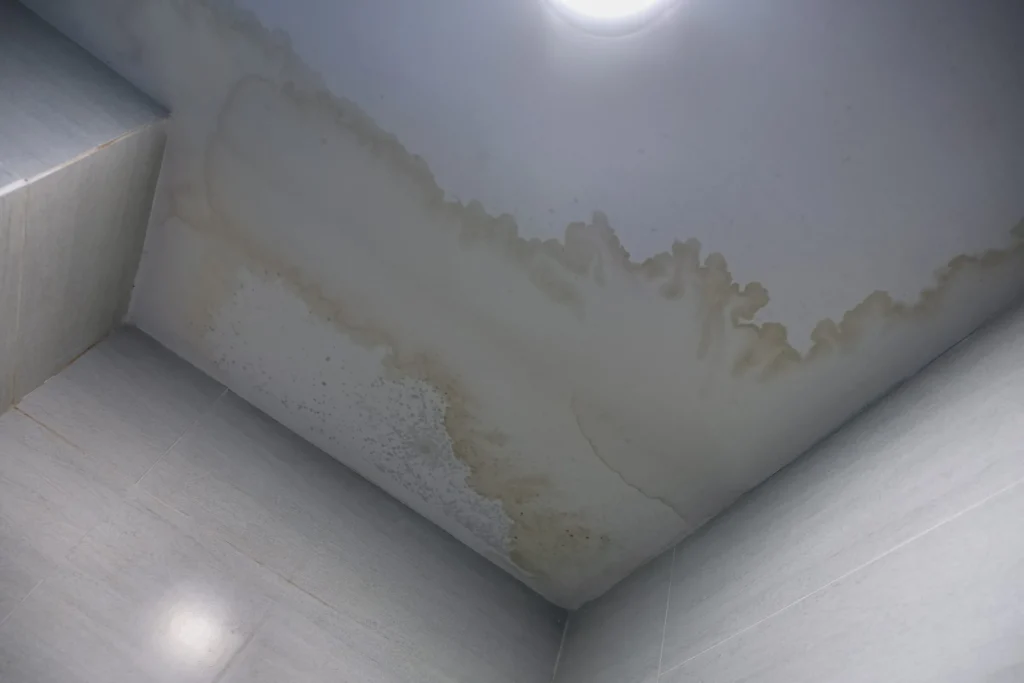
In Broken Arrow, where high humidity can contribute to mold growth, any sign of moisture is taken very seriously. Inspectors use moisture meters to check the saturation levels of drywall and wood near plumbing fixtures. If they find high moisture readings behind a shower wall, it often suggests a failing waterproof membrane or a leak in the shower valve. These types of repairs are invasive and expensive, as they usually involve tearing out tile and rebuilding the shower stall. A seller who tries to hide these issues with a fresh coat of paint will often be caught when the inspector’s meter reveals the dampness underneath.
Corrosion on the exterior of valves and fittings is another visual cue that an inspector will note. Green oxidation on copper pipes or white crusty mineral deposits on shut-off valves, often called “blooms,” indicate that the metal is actively breaking down. These blooms are essentially slow leaks where the water evaporates and leaves behind a mineral plug. An inspector knows that these are weak points in the system that could fail completely at any moment. Replacing these aging components with high-quality parts from Sargents Plumbing & Drain is a simple way to improve the overall health of the plumbing system and demonstrate to an inspector that the home has been well-cared for.
Improper DIY Repairs and Unpermitted Work
The DIY movement has empowered many homeowners to tackle their own repairs, but unfortunately, plumbing is a field where a lack of professional knowledge can lead to serious code violations. Inspectors are trained to recognize the work of an amateur. This includes the use of “handyman” parts like flexible accordion-style drain pipes, which are illegal in most jurisdictions because they trap hair and debris, leading to frequent clogs. They also look for improper transitions between different types of piping, such as connecting copper directly to galvanized steel without a dielectric union, which leads to rapid galvanic corrosion.
Unpermitted work is a major hurdle during the inspection and closing process. If a homeowner has added a bathroom, finished a basement with a wet bar, or replaced a main water line without obtaining the necessary permits from the City of Broken Arrow, it can create significant legal and financial headaches. Inspectors will cross-reference the current state of the home with the official records. If work was done without an inspection by the city, the homeowner may be forced to tear out walls to prove the plumbing was done correctly or pay substantial fines to bring the work up to code retroactively.
Professional plumbers understand the nuances of local building codes and the importance of the permitting process. When a licensed team like Sargents Plumbing & Drain handles a project, they ensure that the materials, the venting, the slope of the pipes, and the safety features all meet or exceed current standards. This professional documentation is invaluable during a home inspection, as it provides a clear paper trail of quality workmanship. For a buyer, seeing that a reputable local company has serviced the home is a major point in the property’s favor, often overshadowing minor wear and tear that is expected in an older residence.
A home inspection doesn’t have to be a source of anxiety if you are prepared for what the inspector will look for. Plumbing issues that commonly fail home inspections are often the result of aging materials, improper DIY fixes, or a simple lack of maintenance over time. By taking a proactive approach and evaluating your home’s pipes, water heater, and drainage systems through the eyes of an inspector, you can identify and resolve problems before they become deal-breakers. Whether you are a seller looking to maximize your home’s value or a buyer trying to avoid a costly mistake, the condition of the plumbing is a non-negotiable aspect of the property’s overall health.
Living in Broken Arrow means being part of a community that values quality and reliability. Protecting your investment in your home starts with ensuring its most vital systems are functioning safely and efficiently. From the subtle signs of sewer line trouble to the obvious dangers of an improperly vented water heater, every detail matters. When these issues are addressed by experienced professionals, the resulting inspection report becomes a testament to the home’s integrity rather than a list of expensive demands.
If you are preparing to put your home on the market or have recently received an inspection report with plumbing concerns, remember that help is available. Partnering with a trusted local expert who understands the specific challenges of Oklahoma plumbing is the best way to navigate the inspection process with confidence. With over 25 years of experience in the Tulsa and Broken Arrow areas, Sargents Plumbing & Drain is dedicated to helping homeowners maintain safe, code-compliant systems that stand up to the most rigorous inspections. Take the guesswork out of your home’s plumbing and invest in the peace of mind that comes with professional care.