Why Older Shutoff Valves Fail Without Warning
The plumbing system in a typical Broken Arrow home is a marvel of engineering that operates silently behind the scenes, providing water on demand to various fixtures and appliances. Among the most critical yet frequently ignored components of this system are the shutoff valves. These small devices are located under every sink, behind every toilet, and near your water heater and washing machine. Their primary purpose is to act as an emergency brake for your plumbing, allowing you to isolate a specific area and stop the flow of water in the event of a leak or during a routine repair. However, because they are rarely used, these valves often sit in a single position for years or even decades, leading to a false sense of security for the homeowner.
For many residents in the older neighborhoods of Broken Arrow and the surrounding Tulsa area, the shutoff valves currently in place may be original to the home. While these components were built to last, they are not immortal. The combination of local water chemistry, internal mechanical wear, and the simple passage of time can render an old valve completely useless exactly when you need it most. Discovering that a valve is seized or broken while water is spraying onto your bathroom floor is a stressful and avoidable catastrophe. Understanding the mechanics of why these devices fail and recognizing the signs of an aging valve can help you take proactive steps to protect your property from significant water damage.
Shutoff valves are the unsung heroes of residential plumbing, but they require a certain amount of maintenance and attention to remain functional. When a valve fails, it rarely gives a loud or obvious warning. Instead, it fails silently, waiting for the moment you attempt to turn the handle to reveal its compromised state. By looking at the internal components of these devices and the environmental factors that contribute to their decline, we can better appreciate why a scheduled upgrade of these small parts is one of the most cost-effective investments a homeowner can make in their property’s long-term health.
The Mechanical Anatomy of Compression and Gate Valves
To understand why older valves fail, it is helpful to look at the different types of valves commonly found in older Oklahoma homes. The most traditional style is the multi-turn compression valve. These valves operate using a stem that moves up and down as you turn the handle. At the bottom of this stem is a small rubber or plastic washer. When you turn the handle to the closed position, the stem presses the washer against a metal seat, creating a physical seal that stops the water flow. Over time, this rubber washer becomes brittle or loses its shape due to constant exposure to water and mineral deposits. When you finally go to close the valve after five years of disuse, the washer may crumble or fail to create a watertight seal, allowing water to bypass the valve entirely.
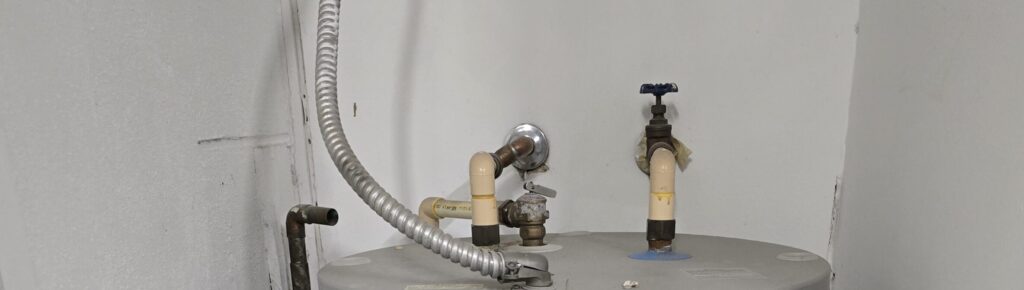
Another common type found in main lines or older outdoor connections is the gate valve. A gate valve uses a metal wedge or disc that slides up and down within the valve body. While gate valves are excellent for providing an unobstructed flow of water when fully open, they are notoriously prone to failure as they age. The internal tracks where the gate slides can become filled with sediment or corrosion, preventing the gate from lowering all the way. Even more frustrating is a failure of the stem itself; it is not uncommon for the internal stem to snap off inside the valve while you are turning the handle. In this scenario, the handle may spin freely or feel like it has closed, but the gate remains stuck in the open position, leaving you unable to stop the water.
These mechanical failures are exacerbated by the fact that these valves are often ignored. Unlike a faucet that you use every day, a shutoff valve is a stationary object that only sees action during an emergency. This lack of movement allows mineral scale to weld the internal components together. When you eventually apply torque to the handle to shut off a leaking toilet, the force required to break that mineral bond is often more than the old, weakened metal components can handle. This results in the handle snapping off in your hand or the internal seals tearing, turning a manageable repair into a much larger plumbing emergency that may require shutting off water to the entire house.
Mineral Buildup and the Impact of Hard Water
Broken Arrow and the greater Tulsa metro area are known for having water that contains varying levels of minerals like calcium and magnesium. While these minerals are safe for consumption, they are the primary enemy of moving plumbing parts. As water sits in or flows through a shutoff valve, these minerals gradually precipitate out and form a hard, crusty layer known as scale. This scale accumulates on the valve stem, the internal threads, and the seating surface where the seal is supposed to occur. This process, often called calcification, can eventually turn a functional valve into a solid, unmoving piece of metal.
Need a new valve for your water line? Click here for our water supply lines service.
When scale builds up on the stem of a multi-turn valve, it acts like sandpaper against the internal packing nut and seals. If you attempt to turn a valve that has a significant amount of scale on the stem, the rough surface can shred the internal O-rings or packing material. This is why many people find that an old valve starts leaking from the handle the moment they try to use it. The seal that was holding the water back was only viable as long as the valve stayed perfectly still. Once the movement was introduced, the compromised seals gave way, creating a secondary leak that must now be addressed alongside the original problem.
Furthermore, scale can accumulate on the valve seat itself. Even if the handle turns smoothly and the stem moves down as intended, a layer of hard calcium on the metal seat will prevent the rubber washer from making full contact. This results in a “slow leak” through the valve. You may have the valve turned all the way to the right, but water continues to trickle through to the fixture. This is particularly problematic during repairs, as many modern faucets and toilet fill valves require a completely dry environment to be serviced or replaced. If your shutoff valve cannot provide a 100 percent seal, the repair becomes much more difficult and messy.
Corrosion and Material Degradation
Older shutoff valves were typically made of brass or chrome-plated metal, which are durable materials but are still susceptible to various forms of corrosion over several decades. One specific type of degradation that affects brass valves is dezincification. This occurs when the zinc is leached out of the brass alloy, leaving behind a porous, weakened structure of copper. A valve suffering from dezincification may look fine from a distance, but the metal has actually become brittle and “corky.” Under the stress of being turned, a dezincified valve body can literally crack or crumble, leading to an immediate and high-volume leak.
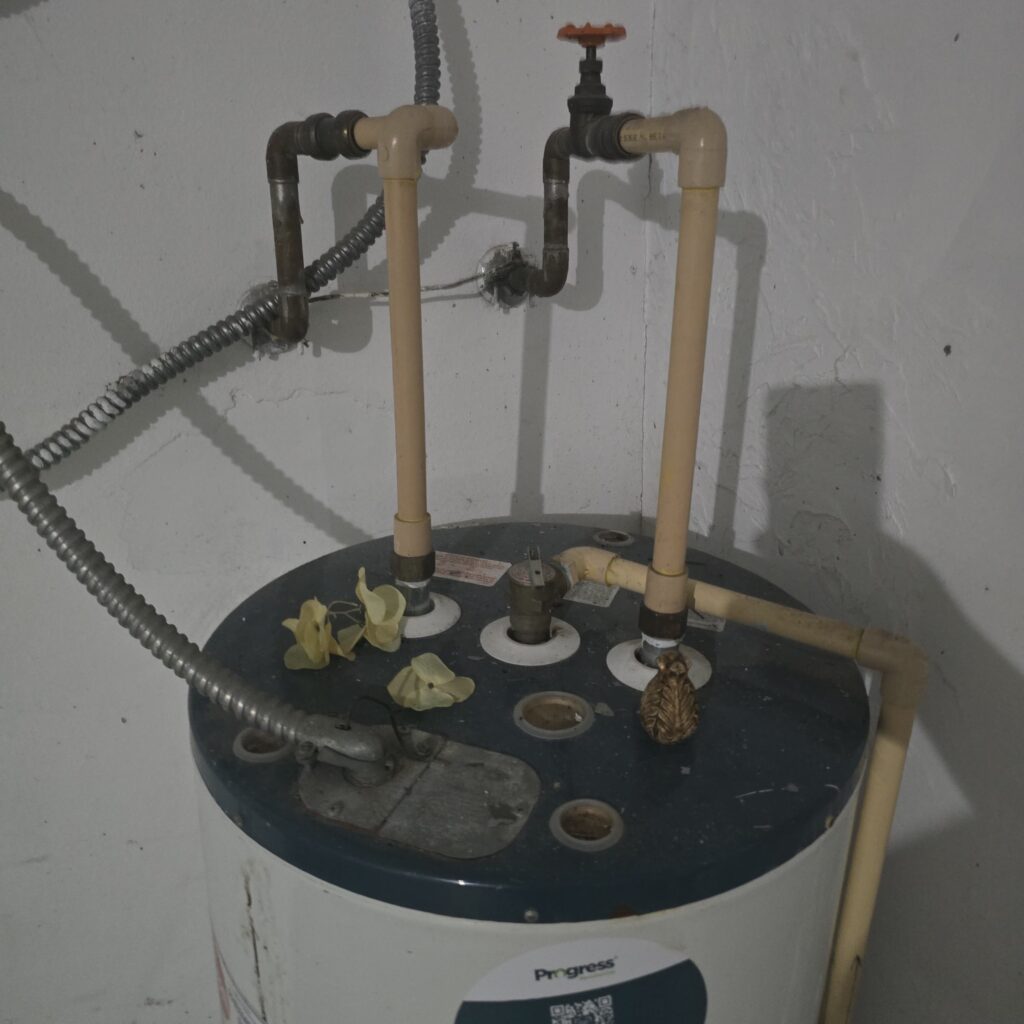
Exterior corrosion is also a common issue, especially in valves located in damp environments like under a kitchen sink or in a crawlspace. If a valve has been weeping a tiny, microscopic amount of water for years, you will often see a green or white crusty buildup on the outside of the valve body. This is a sign that the metal is actively breaking down. This exterior corrosion can seize the packing nut, making it impossible to tighten the seal around the handle if a leak develops. In many cases, the corrosion is so advanced that the handle itself has rusted to the stem, and any attempt to turn it will simply result in the handle breaking off entirely.
It is also important to consider the internal spring and clip mechanisms found in some styles of valves. These small components are often made of different metals than the valve body, leading to galvanic corrosion. This is a chemical reaction that occurs when two dissimilar metals are in contact in the presence of water. This reaction can weld the internal parts together or eat away at the small clips that hold the valve together. When these tiny but vital pieces fail, the valve loses its ability to control the flow of water, regardless of how much you turn the handle.
The Superiority of Modern Quarter-Turn Ball Valves
If you are looking at the aging valves in your Broken Arrow home and wondering what the solution is, the answer is almost always the modern quarter-turn ball valve. Unlike the older multi-turn compression valves, a ball valve uses a highly polished stainless steel or chrome-plated ball with a hole through the center. When the handle is in the open position, the hole aligns with the pipe, allowing water to flow. When you turn the handle ninety degrees, the solid side of the ball blocks the flow. This design is significantly more reliable for several reasons, primarily because the sealing surface is protected and the operation is simple.
Want to know how to increase the life of your plumbing? Click here for more information.
The primary advantage of a ball valve is that it is much less susceptible to mineral buildup. The smooth, polished surface of the ball makes it difficult for scale to adhere, and the sheer action of turning the ball can often wipe away minor deposits. Furthermore, because it only requires a quarter-turn to operate, there are no long threaded stems to become seized or stripped. Ball valves also provide a clear visual indicator of their status; if the handle is parallel to the pipe, the water is on, and if it is perpendicular, the water is off. This eliminates the guesswork and the risk of over-tightening a valve and breaking the internal seals.
Upgrading to ball valves is a standard part of modern plumbing maintenance. When the technicians at Sargents Plumbing & Drain perform a repair, we often recommend replacing old multi-turn valves with high-quality quarter-turn ball valves. This upgrade provides the homeowner with a reliable emergency shutoff that will actually work ten or twenty years down the road. While the older styles were the best technology available at the time of construction, the ball valve has proven to be the superior choice for residential applications, offering a level of durability and ease of use that older designs simply cannot match.
The Hidden Risk of “Never-Used” Valves
One of the most dangerous things for a shutoff valve is to be left in the same position for a decade. Most homeowners never touch their shutoff valves until there is a crisis, which is exactly the wrong time to find out they are seized. Plumbing professionals often recommend a practice called “exercising” your valves. This involves turning each valve in your home off and then back on again once or twice a year. This simple action breaks up minor mineral deposits before they have a chance to harden into a permanent bond and ensures that the internal seals remain pliable.
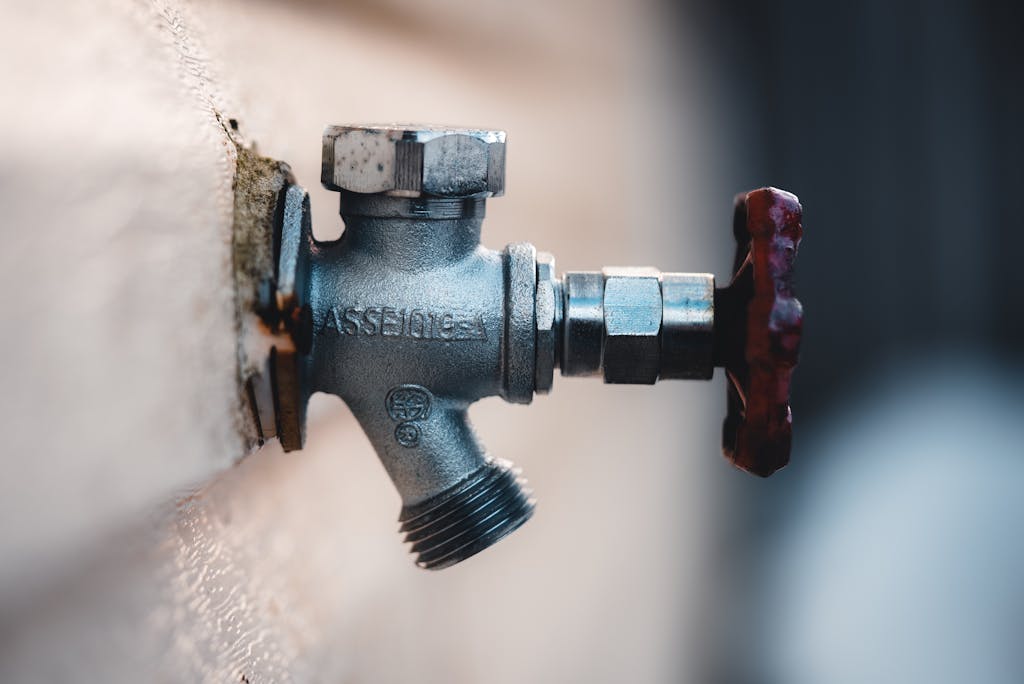
However, there is a significant caveat to this advice for owners of very old homes. If you have a valve that hasn’t been moved in twenty years, attempting to exercise it yourself can actually trigger a leak. The old, brittle seals may tear the moment they are disturbed. This is why many people are afraid to touch their shutoff valves, creating a catch-22 situation where the valve becomes more likely to fail because it isn’t being moved, but moving it might cause it to fail immediately. If you have old valves that appear crusty or are difficult to turn, it is better to have them professionally replaced on your own terms rather than risking a DIY failure on a Sunday night.
In Broken Arrow, where we experience seasonal temperature shifts that can affect the expansion and contraction of pipes, these old valves are under constant environmental stress. A valve that was watertight in the summer might start to drip in the winter as the metal slightly contracts. This constant movement, however small, eventually fatigues the old rubber washers and packing material. By being proactive and replacing these aged components during a routine service call, you are essentially buying insurance against one of the most common causes of indoor flooding.
Why Professional Installation Matters
While replacing a shutoff valve might seem like a simple task, it involves working directly on the pressurized side of your plumbing system. For most valves under sinks or toilets, the water must be shut off at the main meter or the main house valve before the work can begin. If that main valve is also old and fails to shut off completely, a simple DIY project can quickly escalate into a situation where you have no way to stop the water from entering your home. Furthermore, the connections between the valve and the wall pipe can be tricky, especially if the pipes are made of older materials like galvanized steel or brittle copper.
A professional plumber from Sargents Plumbing & Drain brings the right tools and experience to ensure the new valve is installed correctly and without leaks. We use high-quality materials and can identify if the surrounding pipes are healthy enough to support a new connection. Often, an old valve is held on by a compression fitting that has become “set” in the pipe. Removing this without damaging the pipe requires specialized pullers and techniques. If the pipe behind the wall is damaged during a DIY attempt, the repair becomes significantly more expensive and invasive, often requiring cutting into the drywall.
Choosing a professional also ensures that the job is done to current building codes. In Broken Arrow, there are specific requirements for the types of materials and connections that can be used in residential plumbing. Our team has served the Tulsa area for over 25 years, and we pride ourselves on providing honest, reliable service that keeps your home safe. We offer free estimates and 24/7 emergency services, so whether you want to upgrade your valves as a preventative measure or you are facing an active leak, we are ready to help with the expertise that only decades of local experience can provide.
Shutoff valves are the frontline defense against water damage in your home, but they are often the most neglected parts of the plumbing system. Because they fail silently and without warning, it is easy for homeowners to assume that everything is fine until the moment they are faced with an emergency. Whether it is the inevitable decay of rubber washers in a compression valve or the accumulation of hard water scale that seizes a gate valve, the passage of time is always working against these small mechanical devices.
Living in Broken Arrow means being part of a community with a mix of beautiful older homes and modern developments. Regardless of the age of your property, taking the time to inspect your shutoff valves and upgrading them to modern quarter-turn ball valves is a smart, proactive move. It replaces a point of potential failure with a reliable, easy-to-use component that provides peace of mind. You don’t want to find out that your valves are broken while you are frantically trying to stop a flood; you want to know with certainty that when you turn that handle, the water will stop.
Maintaining your home’s plumbing is about more than just fixing what is broken; it is about anticipating failures before they happen. By understanding the science behind why older valves fail and partnering with experienced professionals to modernize your system, you are protecting your home’s structural integrity and your family’s comfort. Don’t let a fifty-cent washer or a bit of calcium buildup stand between you and a dry home. Reach out to the experts who understand the local plumbing landscape and let us help you secure your home’s water system today.