Early Warning Signs of Sewer Line Failure
Maintaining a home involves keeping a watchful eye on many different systems, but perhaps none are as critical yet as frequently overlooked as the sewer line. This underground pipe is the primary artery of your residential plumbing, responsible for carrying all wastewater away from your home and into the municipal system or a septic tank. Because it is buried deep beneath your lawn or driveway, it remains out of sight and out of mind until something goes catastrophically wrong. For homeowners in Broken Arrow, Oklahoma, the shifting clay soils and the presence of mature tree roots can create a unique set of challenges for these buried lines, making it essential to recognize the subtle hints of trouble before a full-scale backup occurs.
Ignoring the health of your sewer line can lead to some of the most unpleasant and expensive repairs a property owner will ever face. When a sewer line fails, it does not just disrupt your ability to use the bathroom or run the dishwasher; it can also pose significant health risks to your family and cause extensive structural damage to your home and landscaping. Understanding the early indicators of a failing line allows you to take action while the problem is still manageable, potentially saving thousands of dollars in cleanup and restoration costs. By paying attention to the way your drains behave and the condition of your yard, you can identify the red flags that suggest your sewer system is struggling to perform its vital function.
Slow Drains Throughout the Entire House
One of the earliest and most common indicators that your sewer line is beginning to fail is the presence of slow drains across multiple fixtures in your home. While a single slow drain in the kitchen sink might just mean a buildup of grease or food particles, if you notice that the bathtub, the guest bathroom sink, and the laundry drain are all sluggish simultaneously, the issue is likely further down the line. When the main sewer pipe becomes partially obstructed by tree roots, scale, or debris, it creates a bottleneck that slows the exit of water from every branch line in the house.
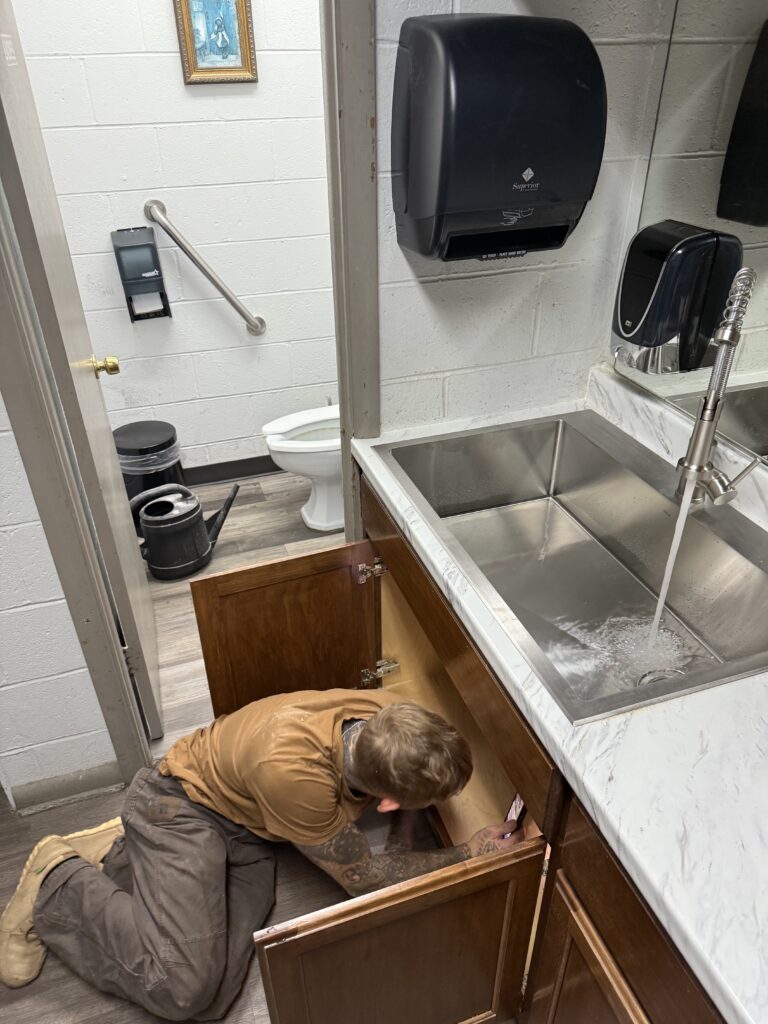
You might notice that water takes several minutes to disappear after you finish a shower or that the kitchen sink gurgles as the water slowly recedes. These are not just minor inconveniences; they are clear signals that the capacity of your main exit pipe has been compromised. Over time, these minor slowdowns will inevitably lead to a total blockage. If you find yourself frequently reaching for a plunger or chemical drain cleaners to address slow fixtures in different rooms, you are likely treating the symptom rather than the disease. A professional inspection using specialized camera equipment can confirm if the sluggishness is caused by a growing obstruction in the main sewer line.
In many Broken Arrow homes, these slow drains can be intermittent at first. You might find that the system works fine during periods of low usage but struggles when the washing machine and the shower are running at the same time. This happens because a partially blocked pipe can handle a small volume of water, but it cannot keep up with the high-volume surge of modern appliances. Paying attention to these performance fluctuations can provide you with the lead time necessary to schedule a cleaning or repair before the pipe closes off entirely, leaving you with a messy and unsanitary backup in your lowest-level drains.
Persistent and Foul Odors
A properly functioning sewer system is designed to be airtight and gastight, ensuring that the unpleasant odors associated with wastewater are vented through the roof and away from your living spaces. If you begin to notice a distinct smell of rotten eggs or sewer gas inside your home or even in your yard, it is a strong indication that there is a crack or a break in the sewer line. These gases are not only offensive to the senses but can also be harmful if they accumulate in high concentrations within an enclosed space.
Need a sewer line repair? Click here for our sewer line repair service.
Inside the home, these smells often manifest in the basement, crawlspace, or near floor drains. If the trap under a sink dries out, it can allow gas to enter, but if the smell persists even after you have run water through all your fixtures, the source is likely a breach in the main line itself. In some cases, the smell may only be present outside, particularly near the area where the sewer pipe exits the house or travels toward the street. This often suggests that the pipe has cracked, allowing sewage to seep into the surrounding soil.
For residents in Oklahoma, the summer heat can often intensify these odors, making them impossible to ignore. It is important to remember that you should never smell sewage on your property. If the scent of wastewater becomes a regular feature of your home environment, it means the integrity of your plumbing system has been compromised. Beyond the smell, these breaches can attract pests and create an environment where mold and bacteria thrive. Addressing a sewer gas leak early is critical for maintaining the air quality and safety of your household.
Unusual Noises Coming from the Pipes
Your plumbing system should generally operate quietly. While you might hear the sound of water rushing through the walls, you should not hear strange vocalizations from your drains. Gurgling, bubbling, or “glug-glug” sounds coming from the toilet or the sink are classic symptoms of a sewer line that is gasping for air. This typically happens when a blockage in the main line prevents air from flowing freely through the system, creating a vacuum effect as water tries to push past the obstruction.
When you flush a toilet and hear a gurgling sound in the nearby bathtub, it is because the water from the flush is looking for a place to go and is pushing air back up through other pipes. This cross-talk between fixtures is a definitive sign that the main sewer line is restricted. The air trapped in the pipes has to escape somewhere, and it often does so by bubbling through the water in your P-traps or toilet bowls. If you ignore these sounds, the next stage of the problem is often a physical backup of water.
These noises are frequently most noticeable during periods of heavy water usage. For example, if your toilet starts bubbling while the dishwasher is draining, it indicates that the main line is full of water and cannot vent properly. Homeowners often mistake these sounds for a simple clog that can be plunged away, but since the air displacement is happening in the main line, a standard plunger will rarely solve the underlying issue. Recognizing these auditory warnings as a sign of sewer line distress can help you avoid the shock of a sudden sewage overflow in your bathroom.
Changes in Your Lawn and Landscaping
Since the sewer line is buried beneath your yard, the condition of your grass and soil can often provide visual clues about the health of the pipe. One of the most common signs of a leaking sewer line is a patch of grass that is significantly greener and more lush than the rest of the yard. While this might seem like a benefit at first, it is actually a sign that the nutrient-rich wastewater from a leaking pipe is fertilizing the grass from below. These bright green spots often follow the path of the sewer line from the house to the municipal connection.
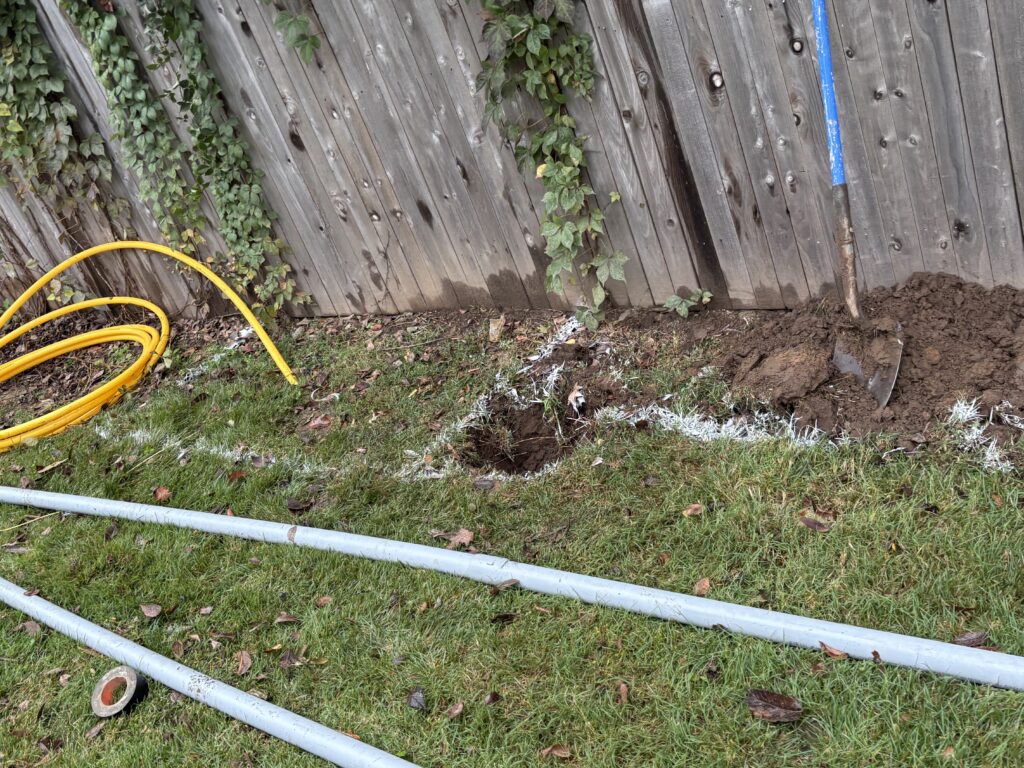
Conversely, a more serious breach in the sewer line can lead to the formation of sinkholes or soggy, recessed areas in your lawn. As sewage leaks out of the pipe, it can wash away the supporting soil, causing the ground above to settle or collapse. If you notice a random indentation in your yard that stays wet even when it has not rained, you are likely looking at a major sewer line failure. In Broken Arrow, where the soil can be prone to shifting, these voids can quickly expand, potentially threatening the stability of nearby structures, sidewalks, or driveways.
Tree roots are another major factor in yard-related sewer issues. In many older Oklahoma neighborhoods, large, thirsty trees send out roots in search of moisture and nutrients. They are naturally drawn to the warmth and moisture of sewer lines. Once a tiny root finds a hair-line crack or a loose joint in a pipe, it will enter and grow rapidly, eventually filling the entire diameter of the pipe. If you have large trees near your sewer line and notice localized changes in your lawn’s health, it is a strong possibility that root intrusion is causing a silent failure of your underground plumbing.
Frequent Backups and Toilet Trouble
The most undeniable and distressing sign of a sewer line failure is the physical backup of wastewater into your home. If you find that water is coming up into your shower or bathtub every time you flush the toilet, the main line is almost certainly blocked. Because the shower drain is typically the lowest point in the house, it is the first place where sewage will emerge when it has nowhere else to go. This is a high-priority plumbing emergency that requires immediate professional intervention to prevent significant property damage.
Toilet issues are particularly telling when it comes to sewer line health. If your toilet frequently overflows, fails to flush completely, or has water levels that fluctuate wildly for no apparent reason, the problem usually lies deep within the main line. A toilet that requires multiple flushes to clear or one that bubbles when you run the sink is telling you that the exit path is nearly closed. Unlike a simple clog caused by too much toilet paper, these systemic issues will not go away with a plunger and will likely get worse every time the fixture is used.
For homeowners with basements or homes built on a slab, these backups can be particularly destructive. Raw sewage contains harmful pathogens and bacteria that require professional remediation to ensure the home is safe for occupancy. By identifying the earlier, more subtle signs like slow drains or gurgling noises, you can often prevent the situation from ever reaching the stage of a physical backup. If you are already experiencing wastewater emerging from your drains, it is essential to stop using all water in the house and call Sargents Plumbing & Drain immediately to clear the line and assess the damage.
Mold and Mildew Growth in Unexpected Places
While many people associate mold with roof leaks or bathroom humidity, a failing sewer line can also be a primary cause of mold growth inside a home. If a sewer pipe develops a leak behind a wall or under a floor, the constant introduction of moisture creates the perfect environment for mold and mildew to flourish. Unlike a clean water leak, a sewage leak introduces organic matter that acts as a food source for mold spores, leading to rapid and aggressive growth.
Want to know the most common plumbing issues we see? Click here for more information.
You might notice a musty odor that persists despite constant cleaning, or you may see visible discoloration on the lower portions of your walls or along baseboards. In some cases, the mold may even appear on the ceiling of a basement if the sewer lines for the upper floor are leaking. Because these leaks are often small and consistent, the moisture can saturate the wooden studs and drywall of your home’s structure before you ever see a puddle of water. This hidden moisture can eventually lead to wood rot and compromised structural integrity if left unaddressed.
If you find mold in your home and cannot identify a source from your roof or windows, it is wise to have your plumbing and sewer lines inspected. A cracked sewer stack or a leaking joint in the main drain can provide a steady supply of moisture that keeps mold growing indefinitely. Remedying the mold without fixing the sewer leak is a losing battle, as the spores will return as long as the moisture source is present. Professional plumbers use leak detection technology to find these hidden breaches, allowing for targeted repairs that stop the moisture at its source.
Pest Infestations and Structural Issues
A cracked or broken sewer line acts as an open invitation for pests to enter your home. Rats, mice, and cockroaches are naturally drawn to the dark, moist, and nutrient-rich environment of a sewer system. If there is a breach in the pipe, these pests can travel from the municipal sewer directly into the soil surrounding your home and eventually into your crawlspace or walls. If you find yourself dealing with a sudden influx of sewer-dwelling pests that your exterminator cannot seem to control, the root cause may be a broken sewer line providing them with a private entryway.

Furthermore, a long-term sewer leak can have a devastating impact on the foundation of your home. As water continuously leaks from a pipe, it saturates the soil beneath your foundation. In the expansive clay soils common in Broken Arrow, this excess moisture causes the soil to expand and exert pressure on your foundation walls. Over time, this can lead to foundation cracking, settling, or shifting. If you notice new cracks in your drywall, doors that no longer close properly, or a sloping floor, these structural changes could be the result of a leaking sewer line that has compromised the ground supporting your home.
The connection between plumbing health and structural stability is often overlooked until the damage is severe. Repairing a foundation is an incredibly expensive undertaking, often dwarfing the cost of a sewer line repair. By paying attention to the early warning signs of sewer failure, such as the smells and sounds mentioned earlier, you can protect the very foundation of your house. Regular sewer camera inspections are a proactive way to ensure that your underground pipes remain intact and that your home’s structural integrity is not being quietly eroded by a hidden leak.
When to Call a Professional for a Sewer Camera Inspection
Modern technology has revolutionized the way plumbers diagnose sewer line problems. In the past, identifying a sewer failure often involved extensive digging and guesswork. Today, the team at Sargents Plumbing & Drain utilizes high-resolution waterproof cameras that can be fed through your sewer line to provide a real-time view of the pipe’s interior. This non-invasive diagnostic tool allows us to see exactly what is happening underground, whether it is root intrusion, a collapsed section of pipe, or a buildup of debris.
You should consider scheduling a camera inspection if you have experienced any of the warning signs discussed, or if you are in the process of purchasing an older home in the Broken Arrow area. Many standard home inspections do not include a detailed look at the sewer line, leaving buyers vulnerable to expensive repairs shortly after moving in. A professional sewer scan provides peace of mind and a clear understanding of the remaining lifespan of your plumbing infrastructure. It allows for precise repairs, such as trenchless sewer lining, which can often fix a pipe without the need to tear up your entire yard.
Sargents Plumbing & Drain has over 25 years of experience serving the Tulsa and Broken Arrow communities. We understand that sewer problems are stressful and messy, which is why we offer free estimates and 24/7 emergency services with no extra fees for homeowners. Our goal is to provide honest, reliable solutions that get your household back to normal as quickly as possible. Whether you need a simple cleaning to remove roots or a more complex repair of a collapsed line, our team has the tools and expertise to handle the job with minimal disruption to your daily life.
The sewer line is a vital component of your home that requires regular attention and maintenance, even if it is not visible. By learning to recognize the early warning signs of failure—from slow-moving drains and strange gurgling noises to foul odors and unusually green patches of grass—you can take control of your home’s plumbing health. Early detection is the most effective way to avoid the trauma of a sewage backup and the significant financial burden of emergency repairs and restoration.
For residents of Broken Arrow, staying proactive means understanding how our local environment impacts our plumbing. The combination of our unique soil conditions and mature landscaping creates a specific set of risks for underground pipes. Being an informed homeowner allows you to distinguish between a minor fixture clog and a systemic sewer issue, ensuring that you call for professional help when it matters most. Remember that your plumbing system is constantly communicating its condition; you just need to know how to listen and look for the clues it provides.
Maintaining your sewer line is an investment in the longevity and safety of your entire property. When you partner with experienced professionals who prioritize honesty and quality workmanship, you can navigate these challenges with confidence. Whether you are currently noticing a red flag or simply want to ensure your home is in top shape, a professional inspection is the first step toward a worry-free plumbing system. Protect your home, your health, and your wallet by addressing sewer line issues the moment they appear.