Plumbing Problems That Trigger Mold Growth
The health and safety of a residential property depend on many interconnected systems, but few are as critical as the plumbing network. While most homeowners in Broken Arrow associate plumbing issues with the immediate inconvenience of a clogged toilet or a cold shower, there is a much more persistent and hidden threat that often follows water-related failures. Mold growth is a biological consequence of excess moisture that can begin to take hold in as little as twenty-four to forty-eight hours after a leak occurs. Because mold thrives in dark, damp, and stagnant environments, the spaces behind your walls, under your floors, and inside your cabinets become the perfect breeding ground for spores when a plumbing component fails.
Understanding the relationship between your pipes and potential fungal growth is essential for long-term home maintenance. Mold is not just an aesthetic issue that causes unsightly staining on drywall or baseboards; it is a significant health concern that can impact the air quality of your entire home. For residents in the Tulsa metro area, where humidity levels can often fluctuate, the introduction of internal moisture from a plumbing leak creates an environment where mold can flourish year-round. By identifying the specific types of plumbing failures that most frequently lead to mold, you can take proactive steps to protect both your property and your family’s well-being.
The Danger of Slow and Silent Leaks
One of the most common catalysts for mold growth in Broken Arrow homes is the slow, silent leak. Unlike a burst pipe that floods a room and demands immediate attention, a pinhole leak or a slightly loose joint can drip consistently for months without being noticed. These leaks often occur in supply lines tucked away inside wall cavities or in the dark recesses of a crawlspace. Because the amount of water escaping is small, it may not immediately cause a visible puddle, but it is more than enough to saturate wooden studs, insulation, and the paper backing of drywall.

Drywall is a particularly vulnerable material because it is highly porous and contains cellulose, which serves as a primary food source for many types of mold. When a silent leak keeps a section of drywall constantly damp, mold spores that are naturally present in the air find a hospitable place to land and colonize. By the time a homeowner notices a faint musty odor or a small patch of discoloration on the wall, the mold colony may already be several feet wide on the hidden side of the material. This is why a sudden change in the air quality of a room should always be treated as a potential plumbing emergency.
Detecting these silent leaks requires a combination of vigilance and professional diagnostic tools. Homeowners should regularly check the cabinets under sinks for signs of warping or dampness and keep an eye on their water bills for unexplained increases. Even a tiny drip from a p-trap or a supply valve can lead to extensive mold remediation costs if left unaddressed. At Sargents Plumbing & Drain, we utilize leak detection technology to pinpoint these hidden moisture sources, allowing for targeted repairs that stop the moisture supply before the mold has a chance to spread further into the home’s structure.
Condensation and Poorly Insulated Pipes
In many Oklahoma homes, mold growth isn’t always caused by a hole in a pipe but rather by the natural process of condensation. During the humid summer months, cold water pipes traveling through unconditioned spaces like basements, attics, or crawlspaces can “sweat” as moisture from the air hits the cold surface of the metal or plastic. This constant dripping of condensation can lead to a build-up of moisture in the surrounding building materials, creating a perfect environment for mold and mildew to grow on floor joists and subflooring.
Need a leak detection in your home? Click here for our leak detection service.
This problem is frequently exacerbated by poor ventilation in these confined spaces. If air cannot circulate to dry out the moisture, the humidity level remains high enough to support fungal growth indefinitely. Over time, this can lead to wood rot and structural instability, in addition to the respiratory risks associated with mold spores being pulled into the home’s living areas through the HVAC system. Insulating cold water pipes is a relatively simple preventative measure that can significantly reduce the amount of condensation produced, effectively cutting off the moisture source that mold requires.
Furthermore, pipes located near exterior walls may experience similar issues during the winter if they are not properly protected. When warm, moist air from the home’s interior meets a cold surface near a poorly insulated wall, condensation forms behind the scenes. This is a common cause of mold growth in closets and behind large furniture pieces. By ensuring that your plumbing is properly insulated and that your home maintains adequate airflow, you can prevent the atmospheric conditions that allow mold to take root in the hidden corners of your residence.
Sewer Line Breaches and Wastewater Leaks
While clean water leaks are problematic, leaks involving the sewer line or drainage system are significantly more dangerous. Wastewater contains organic matter and bacteria that act as a high-energy fuel for mold growth. When a sewer line cracks or a drain pipe leaks behind a wall, it introduces a cocktail of moisture and nutrients that can lead to rapid and aggressive fungal colonization. This type of mold growth is often accompanied by a distinct, foul odor that is much more pungent than the typical musty smell of a standard water leak.
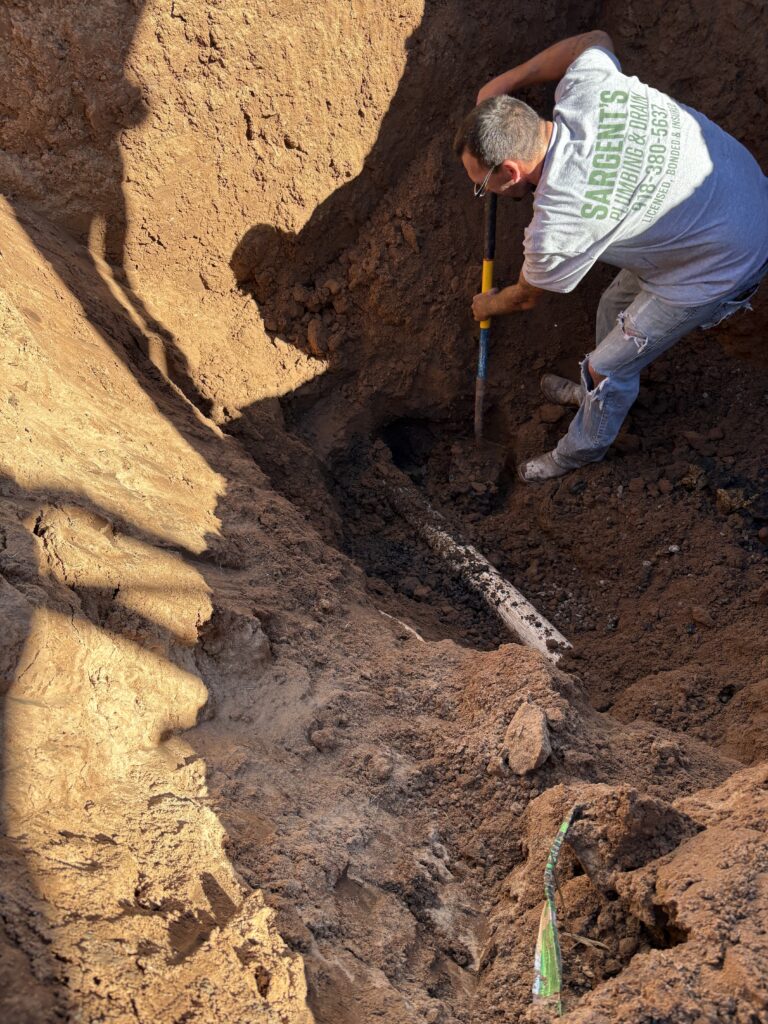
Sewer leaks often occur in the main stack or in the horizontal lines that run beneath the floor. In Broken Arrow, the shifting clay soil can put immense pressure on underground pipes, leading to fractures that allow sewage to seep into the foundation or crawlspace. Because these areas are rarely visited by homeowners, a sewer leak can persist for a long time, leading to massive mold outbreaks that can compromise the very foundation of the house. The presence of mold in these areas is often a secondary symptom of a primary structural failure in the plumbing system.
Addressing a wastewater leak requires professional biohazard cleanup in addition to plumbing repairs. The porous nature of concrete and wood means that sewage can soak deep into the materials, providing a long-term reservoir for mold even after the leak is fixed. This is why it is critical to have any suspected sewer issue inspected with a camera as soon as possible. Identifying a breach early can prevent the spread of harmful bacteria and the subsequent mold growth that follows a sewage event, ensuring that your home’s substructure remains clean and dry.
Malfunctioning Appliances and Hidden Connections
Modern homes rely on a variety of water-using appliances, each of which represents a potential point of failure for mold growth. Dishwashers, washing machines, and refrigerators with ice makers all have specialized connections and hoses that can develop leaks over time. Because these appliances are often pushed tight against walls or tucked into cabinetry, a leak can go undetected for a significant period. The space behind a refrigerator or under a dishwasher is typically dark and lacks airflow, making it an ideal nursery for mold.
Want to know why you shouldn’t ignore a leaking faucet? Click here for more information.
Washing machine hoses are a frequent culprit, especially if they are older rubber models that can crack and weep over time. A slow leak at the connection point can saturate the drywall and flooring behind the machine, leading to a large mold colony before any water is ever seen on the laundry room floor. Similarly, the plastic lines used for ice makers can become brittle and leak at the valve, hidden away where no one can see it. Replacing these with braided stainless steel hoses is a simple upgrade that can prevent the moisture events that trigger mold.
It is also important to consider the drainage systems for these appliances. If a dishwasher drain hose is not properly looped or if a washing machine standpipe is partially clogged, water can overflow or back up, leading to localized flooding. Even a small amount of water that seeps under floorboards or behind baseboards can support mold growth if it is not professionally dried out. Regular inspections of appliance connections and the floor space around them can help Broken Arrow homeowners catch these small failures before they turn into a major remediation project.
Toilet and Wax Ring Failures
The toilet is one of the most frequently used fixtures in any home, and it is also a common source of hidden mold growth. The connection between the toilet and the sewer pipe is sealed by a wax ring, which is designed to prevent both water and sewer gases from escaping. Over time, or if the toilet becomes loose and begins to rock, this wax seal can fail. When this happens, a small amount of water escapes every time the toilet is flushed, seeping into the subfloor and the ceiling below.
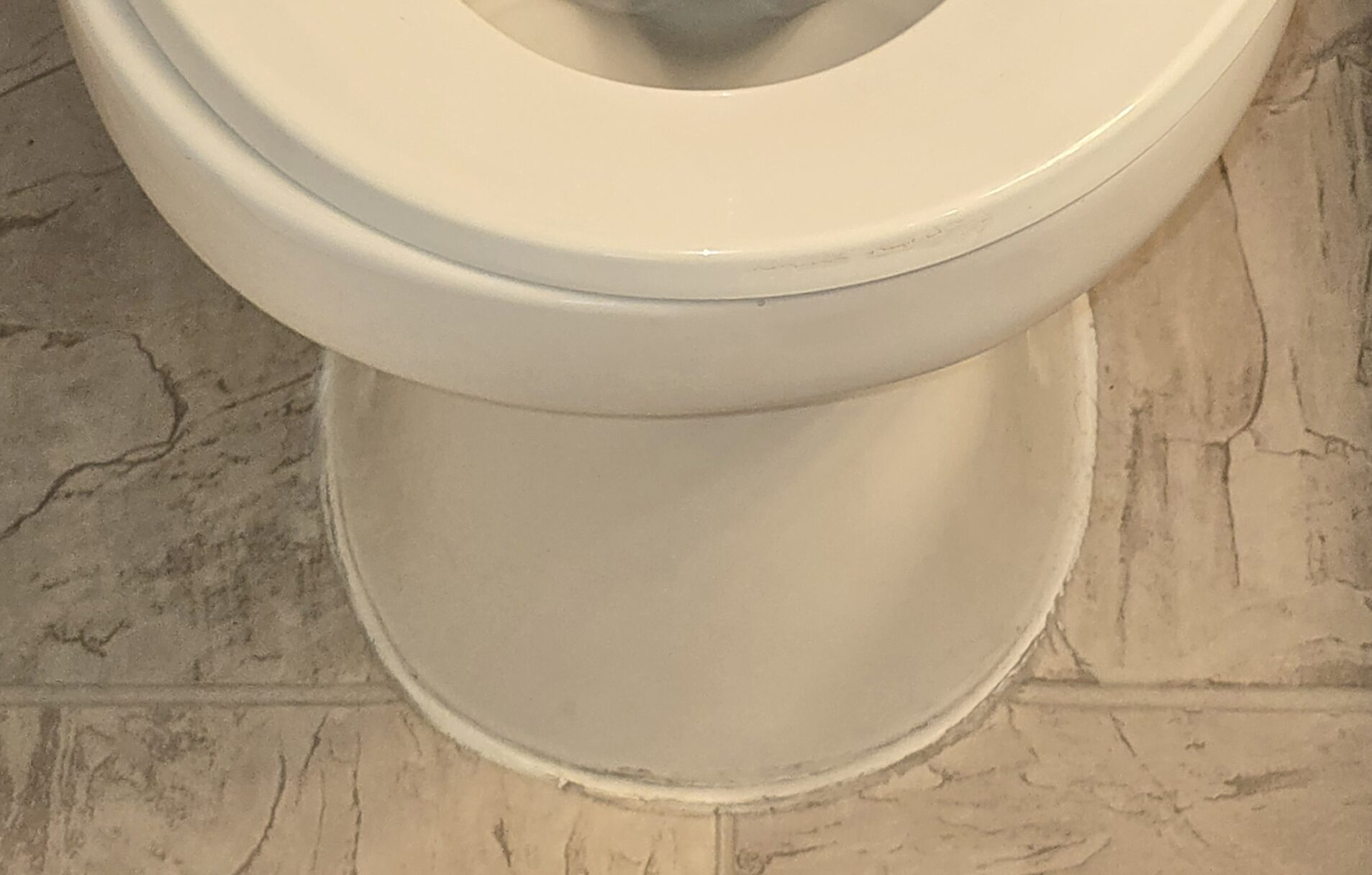
Because the leak is located directly beneath the base of the toilet, it is often completely invisible to the homeowner. The first sign of trouble is usually a soft spot in the flooring around the toilet or a brown stain appearing on the ceiling in the room below. By the time these signs are visible, mold has likely already colonized the subfloor and the floor joists. If left unaddressed, the wood can rot to the point where the toilet is no longer structurally supported, leading to a much more dangerous and expensive situation.
Homeowners should be wary of any movement in their toilets. If a fixture rocks even slightly, it is almost certain that the wax ring has been compromised. Replacing a wax ring and properly securing the toilet to the floor is a straightforward plumbing task that can prevent the devastating mold and rot that occurs when wastewater is allowed to saturate the home’s structure. Regular maintenance of these bathroom fixtures is a key part of protecting the investment you have made in your property.
Sump Pump Failures and Basement Humidity
For homes in Broken Arrow with basements or below-grade spaces, the sump pump is the primary defense against moisture. A sump pump is designed to collect and remove water that accumulates around the foundation, preventing it from entering the home. If the pump fails due to mechanical issues or a power outage during a heavy Oklahoma storm, the resulting water intrusion can lead to an immediate and widespread mold problem. Even a few inches of water in a basement can saturate the bottom of walls and create a high-humidity environment that supports mold growth throughout the entire space.
Even when a sump pump is working, a poorly maintained pit can contribute to mold issues. If the pit is not covered or if it contains standing water for long periods, it can significantly increase the humidity level in the basement. This elevated humidity allows mold to grow on any organic surface, including cardboard boxes, upholstered furniture, and wooden shelving. Maintaining a dry basement requires not only a functional sump pump but also a proactive approach to managing the air quality and moisture levels in the space.
Installing a battery backup for your sump pump and ensuring that the discharge line is clear and moving water away from the foundation are essential steps in mold prevention. Furthermore, using a dehumidifier in below-grade spaces can help keep moisture levels below the threshold required for mold growth. At Sargents Plumbing & Drain, we emphasize the importance of these preventative systems to help our customers avoid the messy and expensive aftermath of a basement flood and the subsequent mold remediation that follows.
Plumbing problems and mold growth are two sides of the same coin. Any time water escapes its intended path within your home, the clock starts ticking on a potential mold outbreak. From the silent, slow-moving drips of a pinhole leak to the sudden failure of an appliance hose or a sewer line breach, moisture is the catalyst that transforms a minor plumbing repair into a major environmental health project. For residents of Broken Arrow, staying vigilant and addressing plumbing issues at the first sign of trouble is the most effective way to prevent mold from taking hold.
The key to a mold-free home is a dry home. This requires more than just fixing leaks as they appear; it involves a commitment to regular inspections and the use of modern preventative technology. By insulating pipes, replacing old hoses, ensuring proper ventilation, and monitoring the integrity of your fixtures, you can eliminate the conditions that mold needs to survive. Your plumbing system is the lifeblood of your home, and keeping it in top condition is essential for preserving the air quality and structural integrity of your living space.
If you suspect a hidden leak or have noticed a musty smell that won’t go away, do not wait for a visible mold colony to appear. Professional plumbing diagnostics can find the source of the moisture and provide a permanent solution that protects your property. Investing in the health of your plumbing today is the best way to ensure a safe, clean, and mold-free environment for your family for years to come. Remember that when it comes to plumbing and mold, a proactive approach is always more cost-effective than a reactive one.