Common Causes of Low Water Pressure in Older Homes
Low water pressure is one of the most common complaints we hear from homeowners in older Tulsa area houses. You turn on the shower and get a weak trickle, or the kitchen faucet takes forever to fill a pot. Summer makes the problem worse because sprinklers, pools, and extra laundry loads put more demand on aging plumbing systems. Homes built before the 1980s often have pipes, valves, and fixtures that were never designed to handle modern water usage. Over time those components corrode, clog, and fail. The result is frustrating pressure loss that gets worse every year. The good news is that every cause of low water pressure can be diagnosed and fixed. This guide covers the most common culprits in older homes and explains what a licensed plumber can do about each one.
Pipe Problems That Cause Low Water Pressure in Older Homes
The pipes hidden inside your walls and under your slab are the most frequent source of low water pressure in an older home. Galvanized steel, old copper, and undersized supply lines all restrict flow in different ways. These problems develop slowly, so many homeowners do not notice until the pressure drop becomes severe. Corrosion narrows the inside of pipes, leaks bleed off pressure before water reaches your fixtures, and small diameter lines simply cannot deliver enough volume. Summer irrigation and higher household demand expose these weaknesses fast. Understanding which pipe problem you have is the first step toward a real fix. A pressure test and a visual inspection can usually identify the cause within one service visit.
Corroded Galvanized Pipes Cause Low Water Pressure
Galvanized steel pipes were the standard in American homes built before the 1960s, and many houses in Broken Arrow, Tulsa, and Sand Springs still have them. These pipes are coated in zinc to resist rust, but that coating wears away after decades of constant water exposure. Once the zinc is gone, the steel underneath begins to corrode from the inside out. Rust and mineral scale build up along the interior walls of the pipe. A pipe that started with a full two inch opening can shrink to the width of a pencil. Water has to squeeze through that narrow passage, and pressure at your faucets drops as a result. The corrosion also flakes off and clogs aerators, valves, and appliance inlets throughout the house. If your home still has galvanized supply lines, corrosion is almost certainly part of your pressure problem.
You can often spot galvanized pipe corrosion without opening a wall. Look at the exposed pipes near your water heater, in the crawl space, or under sinks. Galvanized pipe is gray metal, and corroded sections often show rust stains, bumps, or white mineral crust at the joints. Discolored water is another warning sign; brown or yellow water after the taps sit unused overnight points to rust inside the lines. Pressure that is worse at fixtures farthest from the water meter also suggests internal pipe buildup. Water may run fine at one faucet but weak at another because corrosion is not uniform through the system. These symptoms tend to appear together in homes over fifty years old. A plumber can confirm the diagnosis by cutting a small pipe section and inspecting the interior.
The permanent fix for corroded galvanized pipe is a whole home repipe with copper or PEX. Spot repairs on galvanized lines rarely last because cutting into brittle, rusted pipe often creates new leaks nearby. A repipe replaces every supply line in the house with modern material that resists corrosion for decades. PEX is flexible, freeze resistant, and installs quickly with minimal wall damage. Copper offers proven durability and adds value at resale. Most repipes in an average home take two to three days from start to finish. Sargents Plumbing & Drain backs our repipes with long term warranties, so the investment is protected. Ready to replace those old galvanized lines? Click here for our repiping service.
Hidden Leaks Lead to Low Water Pressure in Older Homes
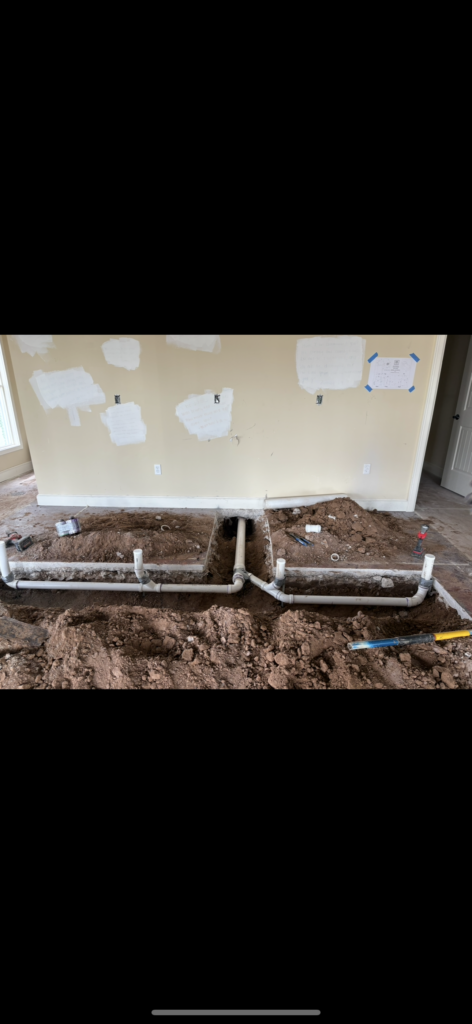
A hidden leak steals pressure before water ever reaches your fixtures. Older homes are especially prone to leaks under the slab, inside walls, and along buried service lines because pipe joints weaken with age. When a supply line leaks, water escapes the system continuously, and the remaining flow arrives at your taps with less force. A single slab leak can drop pressure noticeably throughout the entire house. Oklahoma’s clay soil makes the problem worse because it expands and contracts with summer heat and seasonal moisture changes. That soil movement stresses buried pipes and cracks aging joints. Many homeowners live with a hidden leak for months without knowing it. The pressure loss is often the first and only visible symptom.
There are several ways to check for a hidden leak on your own. Turn off every fixture and appliance in the house, then watch the water meter for fifteen minutes. If the dial or leak indicator moves, water is escaping somewhere in the system. Unexplained spikes on your water bill are another strong clue, especially if your usage habits have not changed. Warm spots on the floor can indicate a hot water slab leak. Damp patches in the yard, unusually green grass over the service line, and musty smells inside the home all point to escaping water. Mold growth on baseboards or walls suggests a leak inside the wall cavity. Any one of these signs deserves a professional inspection right away.
Professional leak detection finds the problem without tearing up your home. Modern acoustic listening equipment picks up the sound of water escaping a pressurized pipe, even through concrete. Thermal imaging cameras reveal temperature differences caused by leaking hot water lines. Line tracing equipment maps the exact path of buried pipes so the leak can be pinpointed within inches. This precision means repairs require one small access point instead of demolished floors and walls. Fixing the leak restores full pressure to the system and stops the water waste that inflates your bill. It also prevents foundation damage, mold, and wood rot that follow long term moisture exposure. Suspect a hidden leak is killing your water pressure? Click here for our leak detection service.
Undersized Supply Lines Create Low Water Pressure
Many older homes were built with supply lines that are simply too small for modern demand. Decades ago, a house had one bathroom, one kitchen sink, and maybe a washing machine. A half inch or three quarter inch service line handled that load without trouble. Today the same house may have two or three bathrooms, a dishwasher, an ice maker, a sprinkler system, and high flow shower heads. The original line cannot deliver enough volume when several fixtures run at once. Pressure feels fine with one tap open, then collapses the moment someone flushes a toilet or starts the washer. This is a volume problem, not just a pressure problem. No amount of fixture cleaning will solve it because the bottleneck is the pipe itself.
Summer exposes undersized supply lines more than any other season. Irrigation systems draw heavy volume in the early morning, right when families are showering and getting ready for the day. Pools need topping off, kids run through sprinklers, and laundry loads increase. Each added demand splits the limited flow from a small service line into smaller and smaller shares. Homeowners often notice that pressure is fine in winter and terrible in July. That seasonal pattern is a classic signature of an undersized line. Branch lines inside the house can be undersized too, which explains why an added bathroom or remodeled kitchen never seems to get strong flow. The original builder sized those branches for the fixtures of the era, not for today’s usage.
Upgrading the water supply line solves the volume problem at its source. A plumber can measure static and dynamic pressure to confirm the line is the bottleneck. Replacing a half inch service line with a one inch line dramatically increases available flow to the whole house. Interior branch lines can be upsized during a repipe so every bathroom gets full pressure at the same time. Modern PEX manifold systems route a dedicated line to each fixture, which prevents one tap from robbing another. Trenchless installation methods can replace the buried service line with minimal digging in many yards. The upgrade pays off every single day in stronger showers and faster fill times. Need a bigger line to your home? Click here for our water supply line service.
Fixture and Valve Issues Behind Low Water Pressure in Older Homes
Not every pressure problem lives inside the walls. Valves, regulators, and the fixtures themselves cause a large share of low water pressure complaints in older homes. These components wear out just like pipes do, and hard Oklahoma water accelerates the damage. The encouraging news is that valve and fixture problems are usually faster and cheaper to fix than pipe replacement. A failing regulator, a half closed valve, or a scaled up aerator can each cut your pressure in half. Diagnosing these issues correctly matters because the symptoms mimic pipe corrosion. A licensed plumber can test each component and isolate the true cause in a single visit. This section covers the three most common fixture and valve culprits.
Failing Pressure Regulators Cause Low Water Pressure
A pressure reducing valve, often called a PRV or pressure regulator, controls the water pressure entering your home from the city main. Municipal pressure can exceed 100 psi in some neighborhoods, which would damage pipes and appliances without regulation. The PRV steps that pressure down to a safe range, typically between 50 and 70 psi. These valves contain a spring and diaphragm that wear out over time. Most regulators last ten to fifteen years before internal parts degrade. In an older home, the original PRV may be decades past its service life. A failing regulator can stick in a low position and choke the entire house down to 20 or 30 psi. Every fixture suffers at once when this happens, which is the key symptom.
Testing a pressure regulator is straightforward for a plumber. A gauge threaded onto an outdoor spigot or washing machine bib shows the static pressure in seconds. Readings below 40 psi with all fixtures off point toward a regulator problem or a supply issue. A plumber can also compare pressure on the street side of the valve to pressure on the house side. A large drop across the valve confirms the PRV is the restriction. Some failing regulators also cause fluctuating pressure, where flow surges and weakens while a tap runs. Others produce hammering or humming noises in the pipes. These symptoms often appear gradually, so homeowners adjust to weak pressure without realizing the fix is one component.
Replacing a failed PRV restores full, safe pressure in a few hours. The plumber shuts off the main, cuts out the old valve, and installs a new regulator set to the correct pressure for your home. Quality regulators include a gauge port so future pressure checks take seconds. Proper adjustment matters; setting pressure too high stresses old pipes and can trigger leaks in a home with aging lines. A licensed plumber balances strong flow against the condition of your existing plumbing. Regulator replacement is one of the most cost effective pressure fixes available. If your whole house lost pressure at once, have the PRV tested before assuming the pipes are bad.
Clogged Fixtures and Aerators Reduce Water Pressure in Older Homes
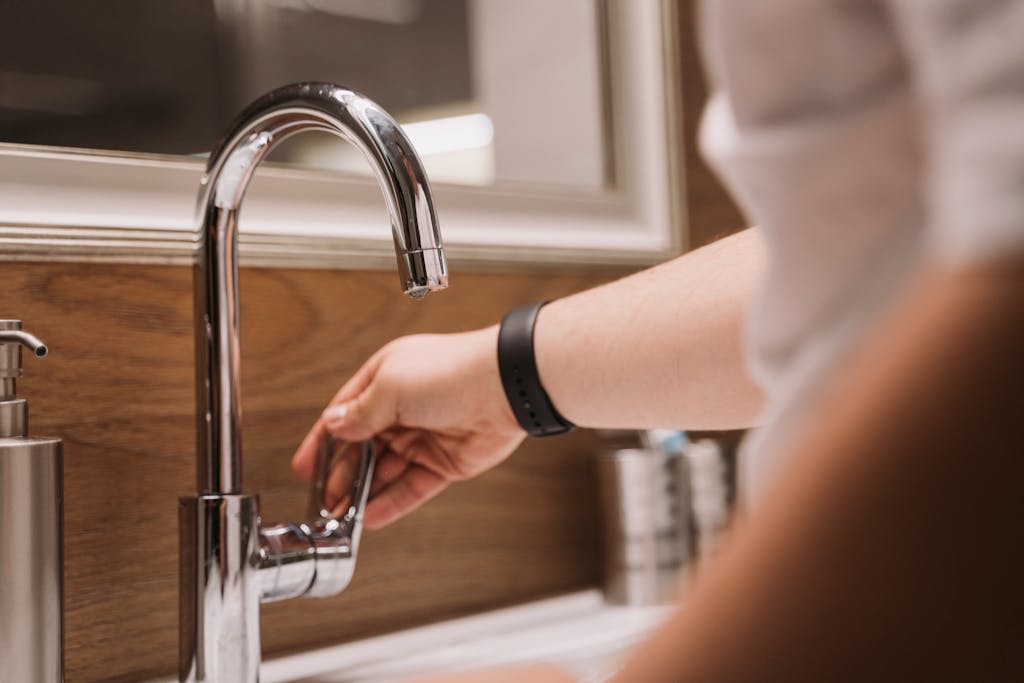
Sometimes low pressure at one faucet is not a pressure problem at all; it is a clog at the fixture. Northeast Oklahoma has moderately hard water, and dissolved calcium and magnesium leave scale deposits everywhere water flows. Faucet aerators, shower heads, and fixture cartridges collect this scale over months and years. The tiny screen openings in an aerator plug up until only a fraction of the water passes through. In older homes, rust flakes from galvanized pipes add to the blockage. The telltale sign is weak flow at one specific fixture while others in the house run strong. Hot water fixtures often clog faster because heat causes minerals to precipitate out of the water. This is the cheapest pressure problem to fix, and homeowners can often handle it themselves.
Cleaning a clogged aerator takes a few minutes. Unscrew the aerator from the faucet tip, and you will likely find grit, scale, and debris trapped in the screen. Soak the parts in white vinegar for an hour to dissolve mineral buildup, then rinse and reinstall. Shower heads can be soaked the same way; fill a plastic bag with vinegar, secure it over the head, and leave it overnight. If flow improves dramatically, scale was your culprit. Repeat clogging within a few months signals a bigger issue upstream, such as corroding pipes shedding debris into the lines. Fixture cartridges and shutoff supply screens can also clog internally, and those repairs are best left to a plumber. Persistent single fixture problems deserve professional attention.
Hard water will keep clogging fixtures until the mineral content is addressed. A whole home water filtration or softening system removes scale forming minerals before they reach your plumbing. That protects aerators, shower heads, faucet cartridges, and appliance valves throughout the house. It also extends the life of your water heater, which suffers heavy sediment buildup from hard water. Softened water improves pressure stability and keeps fixtures flowing at full capacity for years. Many homeowners notice better soap lathering, cleaner dishes, and spot free glassware as side benefits. Treating the water solves the root cause instead of repeating vinegar soaks every season. Tired of scale wrecking your fixtures? Click here for our water filtration systems.
Partially Closed Shutoff Valves Restrict Water Pressure
A surprising number of low pressure calls end with a plumber opening a valve. Every home has a main shutoff valve where water enters the house, and most homes have a second valve at the meter. Individual fixtures have their own supply stops under sinks and behind toilets. Any one of these valves can restrict flow if it is not fully open. Valves get partially closed during past repairs, remodels, or emergencies and never get reopened all the way. In older homes, gate valves are common, and their design makes partial closure easy to miss. The handle may look open while the internal gate sits halfway down the flow path. A valve open at 80 percent can cut usable pressure far more than homeowners expect.
Older gate valves also fail internally in ways you cannot see. The gate inside the valve is attached to the stem by a small connection that corrodes over decades. When it breaks, the gate can drop into the flow path even though the handle turns freely. The valve looks open but is actually blocking most of the line. Corrosion and mineral scale can also seize a valve partially shut. Homeowners often discover this after a pressure drop that follows a city water shutoff or a plumbing repair. If your pressure fell after any recent work on the system, suspect a valve first. Checking valves is always the starting point of a proper pressure diagnosis because it costs nothing to rule out.
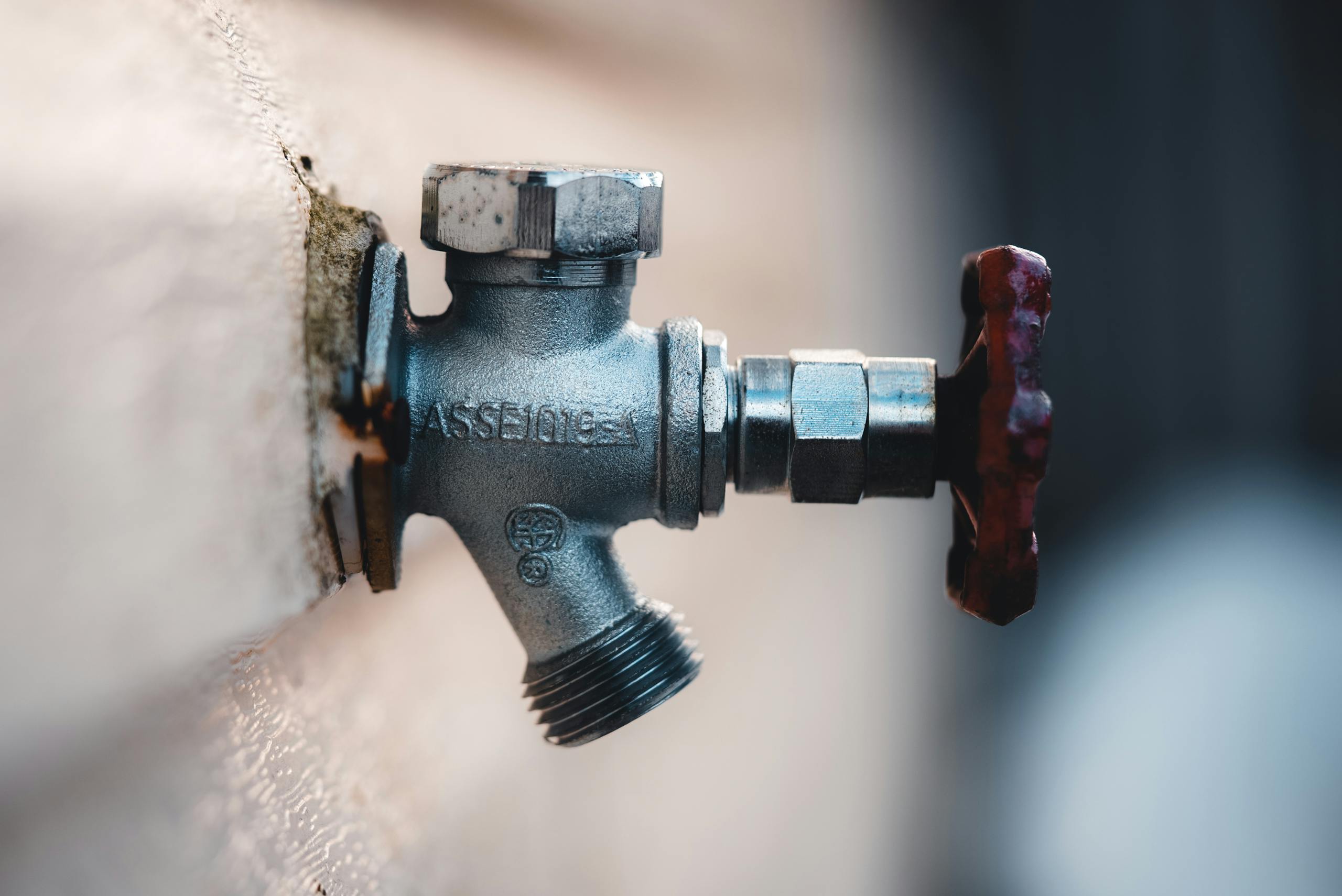
Start your own check at the main shutoff, usually located near the water heater, in the garage, or where the service line enters the home. Turn the valve fully counterclockwise until it stops, then back a quarter turn to prevent seizing. Check the fixture stops under any sink with weak flow the same way. If a valve will not turn, do not force it; old valves snap easily and a broken main valve becomes an emergency. A plumber can replace failing gate valves with modern quarter turn ball valves that show their position at a glance. Ball valves seal reliably, resist corrosion, and make future shutoffs simple. Upgrading old valves during any repair visit is cheap insurance. Reliable valves also protect you during a burst pipe, when seconds matter.
Why You Need a Professional to Fix Low Water Pressure in an Older Home
Low water pressure in an older home almost always has a specific, fixable cause. The challenge is that six different problems produce nearly identical symptoms. Guessing leads to wasted money on fixes that do not address the real issue. A licensed plumber tests pressure, inspects pipes, checks valves, and isolates the true cause before recommending any repair. That diagnostic approach saves homeowners from replacing parts that were never broken. Professional repair also protects your home from the water damage, mold, and foundation problems that follow untreated leaks.
The Dangers of Ignoring Low Water Pressure in an Older Home
Low pressure is often a symptom of a problem that is actively damaging your home. A hidden leak wastes thousands of gallons while eroding soil under your slab. That erosion can crack the foundation and lead to repairs costing far more than the plumbing fix. Moisture inside walls feeds mold growth that affects air quality and requires expensive remediation. Corroded galvanized pipes shed rust into your drinking water and eventually rupture without warning. Waiting almost always increases the final repair bill.
Pressure problems also get worse on their own schedule, not yours. A pipe that is 70 percent blocked by corrosion will keep narrowing until flow stops or the pipe fails. A regulator drifting out of spec can swing the other direction and send damaging high pressure through old lines. Small leaks grow as escaping water erodes the pipe material around the breach. Summer demand accelerates every one of these failure modes. What starts as an annoying weak shower can end as a burst line flooding the house.
There is also a daily cost to living with weak pressure. Showers take longer and satisfy less. Washing machines and dishwashers run extended cycles when fill times slow, which raises utility bills. Irrigation systems underperform, and lawns suffer in the July heat. Appliances like tankless water heaters may not activate at all below their minimum flow rate. Fixing the pressure problem returns comfort and efficiency to every part of the home.
How a Licensed Plumber Restores Water Pressure in Older Homes
A professional pressure diagnosis follows a clear process. The plumber measures static pressure at an outside spigot to establish a baseline. Dynamic pressure readings with fixtures running reveal how much the system drops under load. Valve positions get verified, the regulator gets tested, and the meter gets checked for leak movement. This systematic approach identifies the true cause instead of the most visible symptom. You get an accurate diagnosis before spending a dollar on repairs.
Once the cause is confirmed, a licensed plumber matches the repair to the problem. Clogged fixtures get cleaned or replaced the same day. Failed regulators and valves are swapped in a few hours. Hidden leaks are located electronically and repaired through minimal access points. Corroded or undersized lines get replaced with modern copper or PEX sized for your household’s actual demand. Every repair is tested against pressure readings so you can see the improvement before the plumber leaves.
Professional work also comes with protection you cannot get from guesswork. Licensed plumbers pull required permits for repipes and service line replacements. Code compliant work protects your home insurance coverage and your resale value. Quality parts and correct installation prevent repeat failures. Warranties back the work in writing. That accountability is worth as much as the repair itself in a home with aging plumbing.
Why Choose Sargents Plumbing & Drain
Sargents Plumbing & Drain is locally owned and built on honesty and hard work. We are licensed and insured, and we serve Broken Arrow, Tulsa, Bixby, Jenks, Owasso, and communities across the region from our shop at 605 W Oakland Pl. Our plumbers diagnose low water pressure the right way, with real testing instead of guessing. We explain what we find in plain language and give you straight pricing before any work begins. Our goal on every call is a genuine 5 star experience.
We back our repipes and fixtures with long term warranties because we stand behind our work. Plumbing emergencies do not wait for business hours, so we offer 24/7 emergency service with no additional fees for emergency or weekend calls. Financing is available for larger projects like repipes and supply line replacements. We also offer 10 percent discounts for veterans, teachers, seniors, and more. Quality work should be accessible to every homeowner in our community.
Weak water pressure does not have to be part of owning an older home. One phone call gets a licensed plumber to your door with the tools to find the real cause. Call Sargents Plumbing & Drain at (918) 380-5637 or email info@sgtplumbing.com to schedule your pressure diagnosis. We will restore the strong, steady flow your home should have had all along. Your best shower in years is one appointment away.