Warning Signs Your Sewer Line Is Starting to Collapse
A collapsing sewer line rarely fails all at once. It sends out small warnings for weeks or even months before the pipe finally caves in. Homeowners in Broken Arrow and the greater Tulsa area often miss these early signals because they seem like minor annoyances. Slow drains, strange smells, and soggy patches of grass are easy to ignore during a busy summer. Ignoring them is expensive; a full sewer collapse can mean sewage backing up into your home and thousands of dollars in excavation. Oklahoma summers make things worse because thirsty tree roots aggressively hunt for moisture inside aging pipes. Clay soil also expands and contracts through heat waves and summer storms, putting constant stress on buried lines. This guide explains the warning signs of a collapsing sewer line so you can act before the damage spreads.
Early Warning Signs of a Collapsing Sewer Line Inside Your Home
The first clues of a collapsing sewer line usually show up indoors. Your plumbing system is connected, so a failing main line affects every drain, toilet, and fixture in the house. Many homeowners treat these symptoms one at a time with plungers and chemical cleaners. That approach masks the real problem while the pipe continues to deteriorate underground. When several fixtures act up at once, the issue is almost never a single clogged drain. It is a signal that the main sewer line is restricted, cracked, or beginning to cave in. Learning to read these indoor warning signs gives you the best chance to schedule a repair before raw sewage enters your home. Pay attention to patterns, not just single events.
Slow Drains Throughout the House Signal a Collapsing Sewer Line
One slow drain usually means a local clog in that fixture’s trap or branch line. Hair in a shower drain or grease in a kitchen sink is a simple, isolated problem. A collapsing sewer line behaves differently because it sits downstream of everything. When the main line is compressed or partially caved in, every drain in the house slows down together. You might notice the kitchen sink, the bathtub, and the laundry drain all struggling in the same week. Water has less room to pass through the damaged section, so it backs up throughout the system. This pattern is one of the most reliable early warnings a homeowner can catch. Treat whole-house drainage problems as a sewer line issue until a professional proves otherwise.
Timing matters when you evaluate slow drains connected to a collapsing sewer line. A pipe that is beginning to fail gets worse in stages, not overnight. Drains may seem fine for a few days, then slow dramatically after heavy water use like laundry day or a house full of guests. Summer storms in Oklahoma can also flood the soil around a damaged pipe and temporarily make drainage worse. If your drains speed up and slow down in cycles, the line is likely sagging or partially collapsed. A sagging pipe, often called a belly, holds waste and water in a low spot. That standing waste hardens over time and narrows the pipe even further. Each cycle of backup and release brings the line closer to total failure.
Chemical drain cleaners are the worst response to a collapsing sewer line. Those products are designed to dissolve organic clogs, not to fix broken pipe. Pouring caustic chemicals into a cracked or sagging line actually accelerates corrosion in older cast iron pipes. The chemicals sit in the damaged section and eat away at pipe walls that are already weak. Repeated plunging can also push waste into cracks and widen them. The money spent on store-bought products delays the inspection that would reveal the real problem. A professional camera inspection shows exactly where the pipe is failing and how badly. Suspect a bigger problem behind your slow drains? Click here for our sewer line inspection service.
Gurgling Toilets and Sewage Odors Point to a Collapsing Sewer Line
Gurgling sounds are your plumbing system gasping for air. A healthy sewer line allows wastewater to flow smoothly while vent pipes equalize air pressure. A collapsing sewer line disrupts that balance by trapping air behind blockages and cave-in points. When you flush a toilet and hear bubbling in a nearby tub or sink, air is being forced through water in the traps. That only happens when the normal path through the main line is restricted. Many homeowners hear these sounds for weeks before a major backup occurs. The gurgle is not a quirk of the house; it is a mechanical symptom of a failing pipe. Take it seriously the first time you hear it.
Sewage odors inside the home are an even stronger warning of a collapsing sewer line. Every fixture in your house has a trap that holds water and blocks sewer gas from entering living spaces. A damaged main line can siphon water out of those traps as pressure fluctuates. Cracks in the pipe also let sewer gas escape into wall cavities, crawl spaces, and floor drains. If you smell rotten eggs or a musty sewage odor near drains, gas is escaping somewhere it should not. Summer heat intensifies these smells and makes them easier to detect. Never mask sewer odors with air fresheners or bleach down the drain. The smell will return because the source is a physical breach in the pipe.
The combination of gurgling and odor together should prompt an immediate call to a plumber. Each symptom alone might have an innocent explanation, like a dried-out trap in a guest bathroom. Together, they indicate active pipe failure and escaping sewer gas. Sewer gas contains hydrogen sulfide and methane, which are unpleasant at low levels and hazardous at high concentrations. Prolonged exposure can cause headaches, nausea, and respiratory irritation for your family. Methane is also flammable in enclosed spaces, which adds a safety risk on top of the plumbing problem. A collapsing line will not seal itself, and the gas leakage only increases as the pipe deteriorates. Fast action protects both your home and your health.
Sewage Backups Are the Final Warning of a Collapsing Sewer Line
A sewage backup is the most urgent sign that your sewer line is collapsing. Backups happen when wastewater has nowhere to go and reverses direction into your home. The lowest drains in the house are hit first, usually a basement floor drain, a ground-floor shower, or a tub. You may flush an upstairs toilet and watch dirty water rise in a downstairs fixture. This means the main line is blocked or caved in past the point where water can pass. Some homeowners experience small backups that clear on their own and assume the problem resolved itself. It did not. The partial collapse simply shifted, and the next backup will likely be worse.
Repeat backups follow a predictable and dangerous pattern with a collapsing sewer line. The first event might be a small puddle around a floor drain after heavy laundry use. A few weeks later, a full tub of sewage appears after a normal shower. Each incident happens with less water use than the one before because the pipe opening keeps shrinking. Broken pipe sections also snag toilet paper and waste, which builds a dam inside the line. Eventually, everyday water use is enough to flood the lowest level of your home. By that stage, the collapse is usually severe and the repair window is closing. Acting on the first backup is always cheaper than waiting for the third.
Raw sewage in the home is a genuine health emergency, not just a mess. Wastewater carries bacteria like E. coli and salmonella along with viruses and parasites. Contaminated water soaks into carpet, drywall, and subflooring within minutes. Porous materials often cannot be sanitized and must be removed and replaced. Insurance claims, remediation crews, and reconstruction costs add up fast on top of the plumbing repair. Children and pets are especially vulnerable to contact with contaminated surfaces. Preventing a backup through early repair protects your family and your finances at the same time. Experiencing backups already? Click here for our sewer line repair service and get help 24/7 with no extra fees for emergency calls.
Outdoor Warning Signs of a Collapsing Sewer Line in Your Yard
Your yard often reveals a collapsing sewer line before your indoor plumbing does. The sewer lateral runs underground from your home to the city main, typically crossing the front or side yard. When that pipe cracks or caves in, wastewater leaks into the surrounding soil. The escaping water changes how your lawn looks, feels, and even smells. Oklahoma’s hot summers actually make these outdoor signs easier to spot because a leaking pipe creates lush green patches against dry, stressed grass. Soil movement above the pipe also becomes visible as depressions and sinkholes. Walk your property a few times each month and look for the signs described below. A ten minute inspection can save you from a five figure excavation.
Soggy Patches and Lush Grass Reveal a Collapsing Sewer Line
Unexplained wet spots in the yard are a classic sign of a collapsing sewer line. A cracked or caved pipe releases wastewater into the soil every time you run water in the house. That moisture rises toward the surface and creates soggy, spongy ground above the pipe path. In July, when Broken Arrow lawns are baking in the heat, a persistently wet patch stands out immediately. There is no innocent reason for saturated soil during a dry stretch with no irrigation running. The wet area usually follows a line between your home and the street, tracing the buried pipe. Step on the suspicious spot; if it squishes underfoot days after the last rain, investigate. Standing water may even pool in the depression during heavy use periods.
Strangely green grass is the other half of this outdoor warning sign. Sewage is rich in nitrogen and organic nutrients, which act like concentrated fertilizer. Grass directly above a leaking, collapsing sewer line grows faster, thicker, and darker than the surrounding lawn. Many homeowners are actually pleased by the lush stripe and never suspect the cause. During summer drought stress, that green ribbon against brown turf is a dead giveaway. The pattern typically runs in a straight line or an oval patch over the leak point. Shrubs and weeds near the line may also grow with unusual vigor. Free fertilizer from your sewer line is never a good deal.
Odors in the yard confirm what the wet spots and green grass suggest. Wastewater near the surface releases a sulfur smell that intensifies in summer heat. You may notice it while mowing or walking past a specific section of lawn. Insects tell a similar story because flies, gnats, and mosquitoes swarm to sewage-saturated soil. Rodents are also attracted to broken sewer lines and sometimes use pipe breaches as entry points toward the home. If pests suddenly concentrate in one part of your yard, the soil beneath them may be contaminated. These biological signs mean the leak is significant and the collapse is advancing. A camera inspection can confirm the exact location without any digging.
Sinkholes and Foundation Cracks Follow a Collapsing Sewer Line
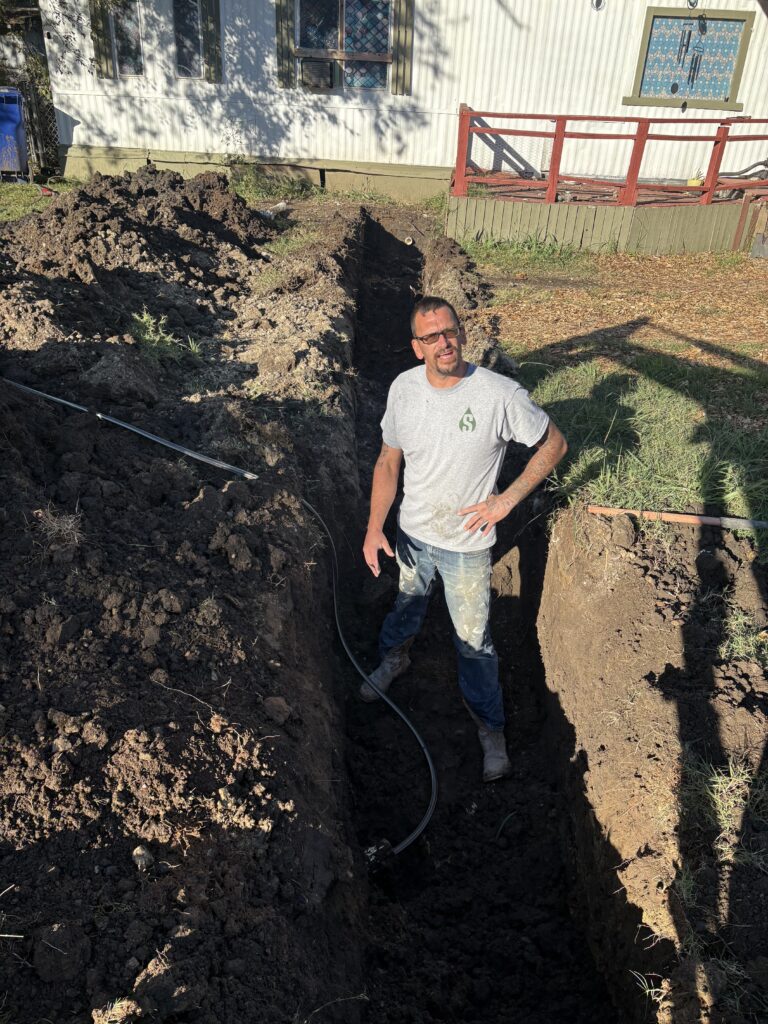
Ground movement is one of the most serious consequences of a collapsing sewer line. Leaking wastewater does not just sit in the soil; it washes soil away. Every gallon that escapes the pipe carries fine particles with it, slowly hollowing out the ground. The surface above eventually sags into the void, creating depressions and dips in the lawn. You might notice a low spot along the pipe path that was never there before. Pavers, walkways, and driveway sections above the line can settle and crack as their base erodes. Small depressions grow into genuine sinkholes if the leak continues. A sinkhole in a residential yard is dangerous for children, pets, and anyone walking the property.
Foundation problems can develop when a collapsing sewer line runs near the house. Oklahoma’s expansive clay soil is extremely sensitive to moisture changes. A leaking pipe keeps one zone of soil wet while summer heat dries the rest, and the uneven swelling shifts whatever sits above it. Slab foundations may crack, and pier and beam homes can settle unevenly. Inside the house, you might see new cracks in drywall, doors that stick, or windows that no longer close smoothly. Homeowners often call a foundation company first and treat the symptom instead of the source. A wise foundation contractor will ask about plumbing leaks before recommending piers. Fixing the foundation without fixing the pipe guarantees the problem returns.
Tree roots deserve special mention because they cause and accelerate sewer line collapse. During hot Oklahoma summers, roots aggressively seek the moisture and nutrients inside sewer pipes. They enter through tiny cracks and loose joints, then expand until they fracture the pipe. Older clay and cast iron lines around Tulsa are especially vulnerable to root intrusion. Once roots pry a joint apart, soil enters the pipe and erosion begins around it. The combination of root pressure inside and soil loss outside crushes the line over time. If large trees stand between your home and the street, your risk is elevated. Annual camera inspections catch root intrusion years before it becomes a collapse.
A Camera Inspection Confirms a Collapsing Sewer Line
Guessing is the most expensive way to handle a suspected collapsing sewer line. The signs above tell you something is wrong, but they cannot tell you where or how bad. A professional sewer camera inspection removes all doubt. The plumber feeds a high-resolution waterproof camera through a cleanout and travels the entire length of the line. Every crack, sag, root mass, and cave-in appears on screen in real time. A locator on the camera head marks the exact position and depth of each defect from above ground. You see the evidence with your own eyes instead of trusting a guess. That footage becomes the foundation of an honest, accurate repair plan.
A camera inspection also determines which repair method fits your situation. A collapsing sewer line does not always require digging a trench across your entire yard. Pipes with cracks, root intrusion, or partial deterioration are often candidates for trenchless repair. Trenchless methods rehabilitate or replace the pipe through small access points, preserving your landscaping, driveway, and mature trees. Pipe bursting can even replace a badly damaged line by pulling new pipe through the old path. Fully collapsed sections sometimes still require targeted excavation, but the camera limits digging to the exact failure point. Knowing your options saves money and protects your property. Want to avoid tearing up your yard? Click here for our trenchless pipe repair service.
Timing your inspection strategically pays off for any homeowner. Summer is an ideal season to inspect because root activity peaks and leaks are easiest to see against dry ground. Anyone buying a home in the Broken Arrow area should insist on a sewer camera inspection before closing. Standard home inspections do not include the sewer lateral, and a hidden collapse can cost more than a new roof. Owners of homes built before the 1980s should inspect every year or two because clay and cast iron lines are reaching the end of their lifespan. Homes with large trees near the pipe path deserve the same attention. An inspection costs a small fraction of an emergency excavation. It is the cheapest insurance a homeowner can buy for the most expensive pipe on the property.
Why You Need a Professional to Address a Collapsing Sewer Line
A collapsing sewer line is not a DIY project under any circumstance. The pipe sits several feet underground, carries hazardous waste, and connects to municipal infrastructure governed by local codes. Diagnosing the problem requires camera equipment, locators, and trained eyes that know what pipe failure looks like. Repairing it requires excavation safety knowledge, proper materials, permits, and inspections. Mistakes underground stay hidden until they fail again, usually at the worst possible time. Professional repair done right the first time protects your home for decades.
Fast Response Stops a Collapsing Sewer Line From Getting Worse
Sewer line collapse is progressive, and every week of delay costs you money. A crack becomes a sag, a sag becomes a partial collapse, and a partial collapse becomes a total failure. Repair options shrink as the damage grows because trenchless methods need a pipe that still holds its shape. Waiting can turn an affordable lining project into a full excavation with landscaping restoration on top. Soil erosion, foundation movement, and sewage contamination all accelerate while you wait. Calling at the first warning sign keeps every repair option on the table.
Emergencies do not respect business hours, and neither does a failing sewer line. Backups tend to strike on weekends, holidays, and evenings when household water use peaks. Sargents Plumbing & Drain answers the phone 24/7 and never charges additional fees for emergency or weekend calls. That policy matters when sewage is rising in your tub on a Saturday night. You get the same honest pricing at 2 AM that you would get on a Tuesday afternoon. Help is one call away at (918) 380-5637 whenever the problem appears.
Fast professional response also protects your family’s health during a sewer failure. Raw sewage exposure carries real risks from bacteria, viruses, and toxic gases. A trained plumber contains the hazard, restores safe drainage, and advises on proper cleanup. Delayed response lets contamination spread deeper into flooring and walls. The difference between a one-day fix and a week of remediation often comes down to how quickly you called. Treat the first backup as the emergency it is.
Professional Diagnosis Saves Money on a Collapsing Sewer Line
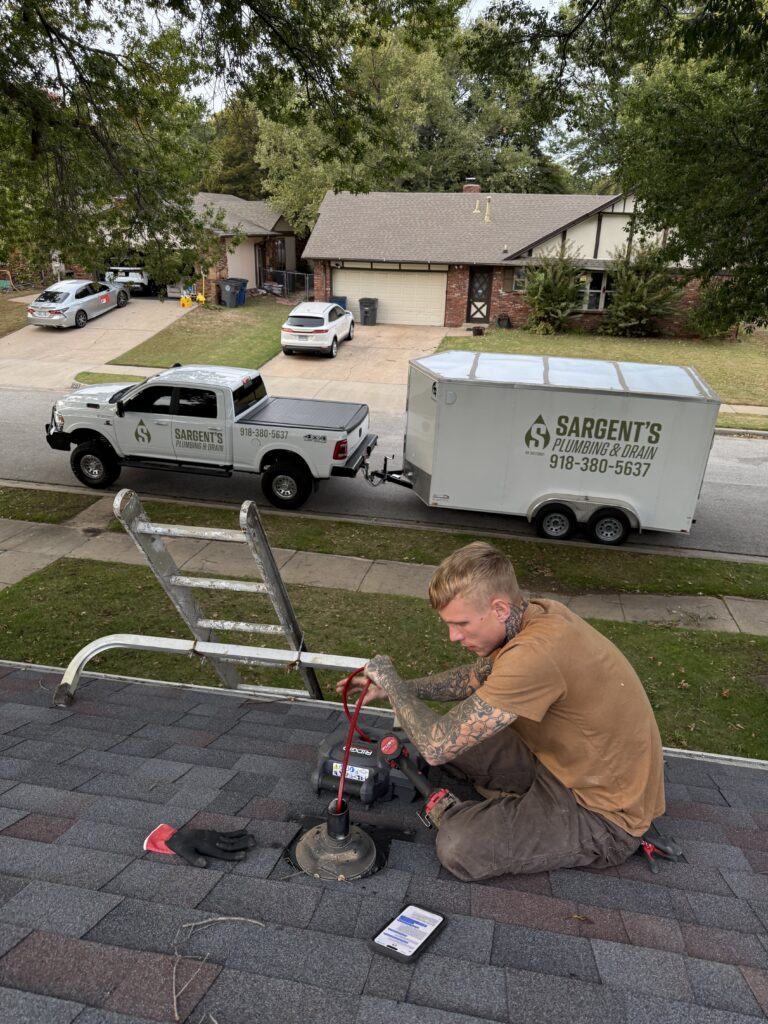
Accurate diagnosis is the difference between paying for what you need and paying for a guess. A collapsing sewer line shares symptoms with simple clogs, venting problems, and municipal main issues. Without a camera inspection, a contractor is estimating blind, and blind estimates protect the contractor rather than the homeowner. Video evidence shows the exact defect, its location, and its depth. You pay to fix a specific problem instead of funding exploratory digging. That precision routinely saves homeowners thousands of dollars.
Professional diagnosis also matches the right repair method to your specific pipe. Spot repairs handle a single broken section for a fraction of full replacement cost. Trenchless lining rehabilitates longer runs without destroying the yard. Full replacement makes sense only when the entire line has reached the end of its life. An honest plumber walks you through the footage and explains why each option does or does not fit. You make an informed decision instead of accepting the most expensive default.
Financing and warranties complete the financial picture for a major sewer repair. Sewer work is rarely in the household budget, and a collapse does not wait for savings to accumulate. Sargents Plumbing & Drain offers financing options so critical repairs happen when they are needed. Long-term warranties back the work, so you are protected long after the crew leaves. Veterans, teachers, seniors, and other qualifying customers receive a 10% discount. Quality repair should be within reach for every homeowner in the Tulsa area.
Why Choose Sargents Plumbing & Drain for a Collapsing Sewer Line
Sargents Plumbing & Drain is locally owned and built on honesty and hard work. We live and work in the same Broken Arrow community we serve, based right at 605 W Oakland Pl. Our team knows the local soil, the aging pipe materials in area neighborhoods, and the root problems that come with Oklahoma summers. We are fully licensed and insured, so your property is protected on every job. When we inspect your sewer line, you see the camera footage and hear a straight answer. Our reputation depends on telling you the truth, not selling you the biggest ticket.
Our service policies are designed around what homeowners actually need during a sewer crisis. We answer calls 24/7 and charge no additional fees for emergency or weekend service. We back repipes and fixtures with long-term warranties because we stand behind our work. Financing is available so a collapsed line never forces you to choose between your home and your budget. Discounts of 10% for veterans, teachers, seniors, and more reflect our commitment to the people who serve our community. Every job is handled with the goal of earning a 5 star review.
Serving Broken Arrow, Tulsa, Bixby, Jenks, Owasso, Claremore, Coweta, Sapulpa, and surrounding communities, we bring the same care to every service call. From camera inspections to trenchless repairs to full sewer line replacement, our team handles the entire project from diagnosis to cleanup. You deal with one trusted local company instead of a chain of subcontractors. If you have noticed any of the warning signs in this article, do not wait for the collapse to finish the job. Call Sargents Plumbing & Drain at (918) 380-5637 or email info@sgtplumbing.com today. We will find the problem, show you the evidence, and fix it right the first time.